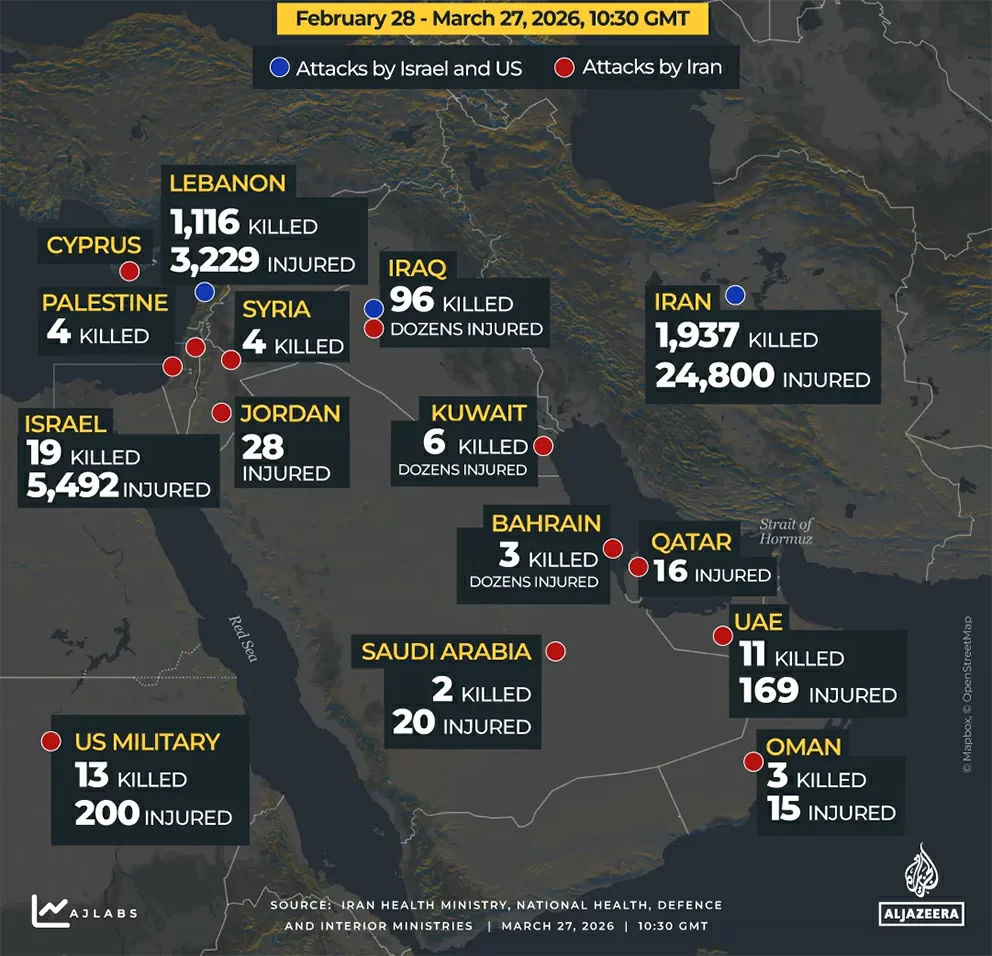
Iran stands at a critical geopolitical crossroads as hardline politicians push for the nation’s withdrawal from the Treaty on the Non-Proliferation of Nuclear Weapons (NPT), responding to intensified US-Israeli strikes on civilian nuclear sites, steel complexes, and academic institutions. The escalating confrontation has triggered parliamentary action that could fundamentally reshape Iran’s nuclear posture and international alliances.
Ebrahim Rezaei, spokesperson for the Iranian parliament’s national security commission, declared Friday that continued NPT membership ‘has yielded no benefits’ for Iran. His statements on social media platform X coincided with lawmaker Malek Shariati’s announcement that a priority bill had been submitted through parliamentary channels to facilitate Iran’s exit from the treaty. This legislative move would also revoke nuclear restrictions tied to the defunct 2015 nuclear agreement and establish new international partnerships with aligned nations including Shanghai Cooperation Organization and BRICS members for peaceful nuclear technology development.
The parliamentary push comes amid devastating airstrikes that have targeted Iran’s critical infrastructure. US-Israeli forces conducted intensive bombardments on Friday, hitting a yellowcake facility in Yazd, the Khondab Heavy Water Complex near Arak, and areas surrounding the Bushehr nuclear power plant—prompting International Atomic Energy Agency (IAEA) warnings about potential radiological catastrophe. Simultaneous attacks crippled Iran’s major steel complexes in Isfahan and Ahvaz, threatening billions in non-oil export revenue and thousands of jobs amid an existing economic crisis featuring 70% inflation and severe energy shortages.
Iran’s leadership has accused IAEA Director Rafael Grossi of complicity in the attacks, with senior advisor Mohammad Mohkber labeling him an accomplice to bloodshed. Parliamentary member Fada-Hossein Maleki further accused Grossi of months of ‘instigation’ to please US President Donald Trump, describing nuclear bomb remarks as ‘provocative acts contrary to all international norms.’
The conflict has plunged Iran into information darkness, with the Islamic Republic maintaining a complete internet shutdown for over one month—affecting 90 million citizens—while heavily armed forces patrol cities to prevent protests. State media continues broadcasting coerced confessions, including a recent video of a blurred-face girl arrested for sharing strike footage with foreign media.
As Tehran endures its most severe bombardment nights, with airstrikes illuminating skies orange and causing temporary blackouts, the parliamentary bill awaits review by the Guardian Council—a powerful 12-member constitutional body—before potential implementation, marking a potential point of no return in Iran’s nuclear diplomacy.