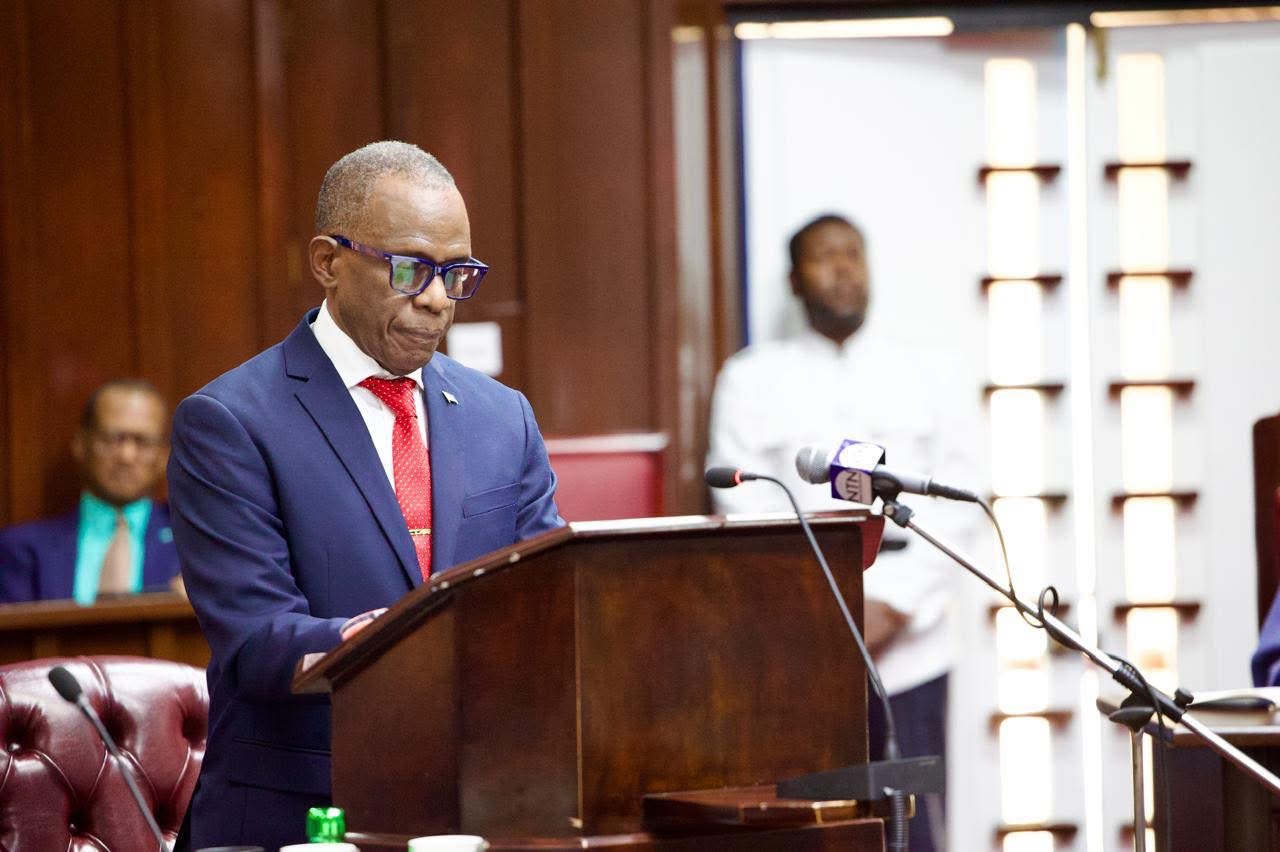
Saint Lucia’s Parliament witnessed a historic moment on March 27th as Prime Minister Philip J. Pierre presented the nation’s largest-ever budget for the 2026/27 fiscal year, totaling $2.18 billion in estimated expenditures. This unprecedented financial plan represents a significant milestone in the island nation’s economic development, yet citizens and experts alike are questioning how this substantial investment will translate into tangible improvements in their daily lives.
Rhodes Scholar and public policy expert Rahym Augustin-Joseph acknowledges that the budget’s scale indicates economic expansion but emphasizes that actual impact hinges on implementation strategies. “While the growing economy suggests potential benefits for ordinary citizens,” he notes, “the true measure of success lies in effective execution and distribution of resources.”
The budgetary approach appears focused on continuity rather than transformation, maintaining existing government initiatives while advancing previously announced infrastructure projects. Key developments include the Julian R. Hunte Highway, Choc Bridge construction, Hewanorra International Airport redevelopment, and a new medical wing at Owen King EU Hospital. Augustin-Joseph characterizes this as a consolidation budget rather than a revolutionary policy shift, particularly noting the delayed St. Jude’s project that has persisted through multiple political cycles.
Social programs remain a priority with continued support for pension systems and educational enhancements, including expanded coverage for additional CXC subjects. Early childhood programs and social safety nets also receive sustained funding, reflecting the government’s commitment to social welfare.
Financial projections reveal anticipated revenue of $1.83 billion, marking a 6.7% increase from previous figures, yet leaving a $200 million deficit to be addressed through loans and bond issuances. Augustin-Joseph recognizes borrowing as commonplace for developing nations but stresses the importance of transparent allocation and purposeful debt management. “Citizens will support borrowing that directly improves their livelihoods,” he asserts, “but require clear communication regarding fund distribution between debt servicing and developmental projects.”
The policy expert identifies several persistent challenges requiring urgent attention, including agricultural development amid global cost pressures, consumer protection against fluctuating oil prices, and ongoing infrastructure issues concerning water access, public transportation, and traffic management. He warns that while megaprojects capture attention, neglecting everyday quality-of-life issues could ultimately undermine economic progress.
As April’s policy debate approaches, contrasting perspectives emerge from political representatives. Former Tourism Minister Dominic Fedee highlights concerns regarding the nation’s substantial debt burden and excessive taxation, advocating for strategic tourism sector reforms to drive economic growth and debt reduction. Meanwhile, Government Senator Allison Jean emphasizes cultural infrastructure development, proposing replacement of the outdated National Cultural Centre with modern theatrical facilities, while reaffirming the critical importance of airport redevelopment for enhanced tourism capacity.