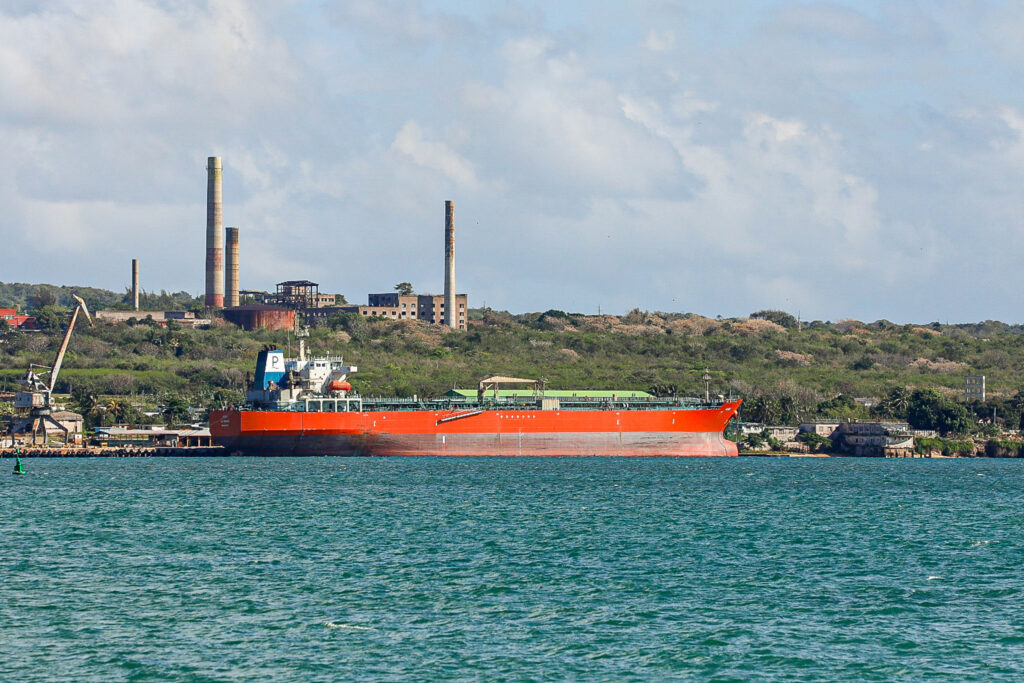
MEXICO CITY — Mexican President Claudia Sheinbaum announced on Monday that her administration is engaging in preliminary discussions with private enterprises regarding a novel fuel supply arrangement. The proposed mechanism would involve these companies purchasing petroleum from Mexico’s state-owned energy conglomerate Pemex for subsequent resale to private Cuban entities.
“Multiple private firms have approached us with proposals to acquire fuel from Pemex and facilitate its delivery to private companies in Cuba,” President Sheinbaum revealed, emphasizing that several corporations have expressed interest in such commercial transactions.
This development follows significant remarks from U.S. President Donald Trump, who indicated on Sunday that Washington would not obstruct other nations, including Russia, from providing oil to Cuba despite longstanding embargo restrictions. Trump’s statement represents a notable departure from previous administration policy, which consistently threatened tariff impositions on countries attempting to circumvent the de facto fuel blockade.
The geopolitical context for these developments stems from Cuba’s severe energy crisis, exacerbated by the January capture of Venezuelan socialist leader Nicolás Maduro by U.S. forces. This action deprived Havana of its primary regional ally and petroleum supplier, creating critical fuel shortages on the island nation.
In February, the U.S. Treasury Department initiated a partial relaxation of restrictions by permitting oil shipments exclusively to private Cuban enterprises while maintaining prohibitions against government or military entities. Trump’s latest comments suggest a further evolution in Washington’s position, with the president explicitly stating that Cuba’s deteriorating regime would not be significantly bolstered by occasional fuel shipments.
“Cuba’s finished, they have a bad regime, they have very bad and corrupt leadership, and whether or not they get a boat of oil it’s not going to matter,” Trump told journalists. “I’d prefer letting it in, whether it’s Russia or anybody else, because the people need heat and cooling and all of the other things that you need.”
A Russian tanker is anticipated to deliver urgently needed crude to Cuba imminently, marking a tangible manifestation of this policy shift. The Mexican government’s exploration of private sector-mediated fuel transfers represents a strategic response to both Cuba’s humanitarian needs and the changing dynamics of international energy diplomacy.