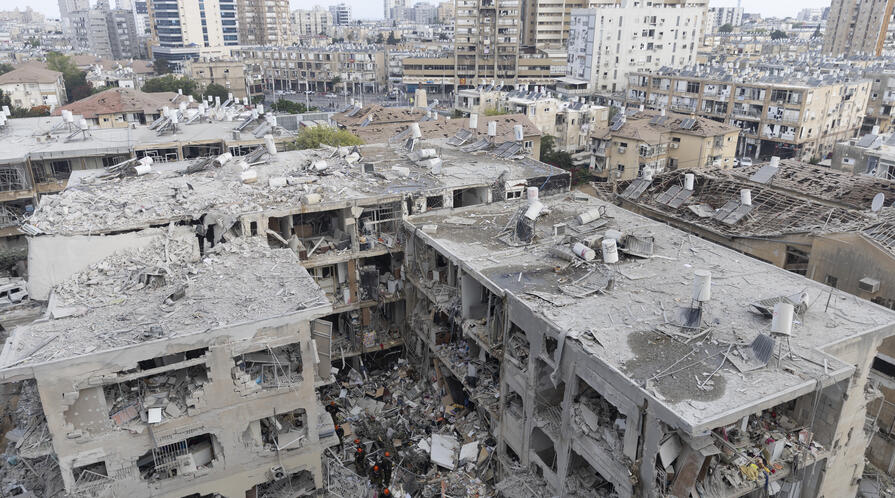
Escalating military confrontations between the United States-Israel coalition and Iran have unleashed profound disruptions across global financial and energy markets, generating widespread alarm over a potential worldwide economic downturn. The conflict, initiated by strikes on February 28, has triggered a dangerous cycle of retaliation that now threatens global economic stability.
Tehran’s strategic retaliation has included ballistic missile attacks targeting Israeli territories, U.S. military installations, and critical energy infrastructure throughout the Gulf region. Particularly consequential has been Iran’s targeting of commercial vessels transiting the Strait of Hormuz—a vital maritime corridor responsible for approximately 20% of global oil and gas shipments—resulting in dramatically reduced traffic through this crucial waterway.
The energy sector has experienced immediate and severe price shocks. According to Muyu Xu, senior crude oil analyst at Kpler, liquefied natural gas (LNG) prices have surged by nearly 60% since hostilities began. The situation worsened significantly when QatarEnergy, supplier of 20% of global LNG, suspended production following an Iranian drone attack on March 2, creating substantial strain on international LNG markets.
Refined petroleum products including gasoline, diesel, jet kerosene, and fuel oil have all witnessed substantial price increases. Industry analysts project these trends will persist should energy flows through the Strait of Hormuz remain severely constrained.
Capital Economics economists, led by Neil Shearing, present two potential scenarios in their March 9 assessment. A short-lived conflict could see Brent crude prices falling to $65 per barrel by year-end. However, a prolonged engagement might drive oil prices to approximately $130 per barrel in the second quarter, with year-end prices remaining elevated even if Strait shipments resume.
The economic ramifications extend beyond energy markets. Data from Global Petrol Prices indicates at least 85 countries have reported increased gasoline prices since February 28, with Cambodia experiencing the most dramatic surge at 68%. Vietnam (50%), Nigeria (35%), Laos (33%), and Canada (28%) have likewise recorded significant increases.
Governments worldwide are implementing extraordinary conservation measures. Pakistan and the Philippines have adopted four-day workweeks for government employees, while Thailand has mandated remote work for officials. Myanmar has instituted alternate-day driving restrictions, and Sri Lanka has implemented digital fuel rationing systems requiring online registration and QR code verification at pumps.
International Monetary Fund Managing Director Kristalina Georgieva warned on March 9 that prolonged conflict poses significant inflationary risks to the global economy. Historians note that oil price shocks have frequently preceded economic downturns, citing the stagflation episodes of 1973, 1978, and 2008 as precedent.
The aviation industry faces particular challenges, with jet fuel prices skyrocketing from $85-90 to $150-200 per barrel. Flight paths between Asia/Australia and Europe/US are being substantially lengthened to avoid Gulf airspace, increasing operational costs that are being passed to consumers through higher ticket prices.
Frederic Schneider, nonresident senior fellow at the Middle East Council on Global Affairs, warns that debt-burdened Global South nations may face catastrophic debt crises should developed economies raise interest rates to combat inflation. The convergence of these factors creates a perfect storm threatening global economic stability.