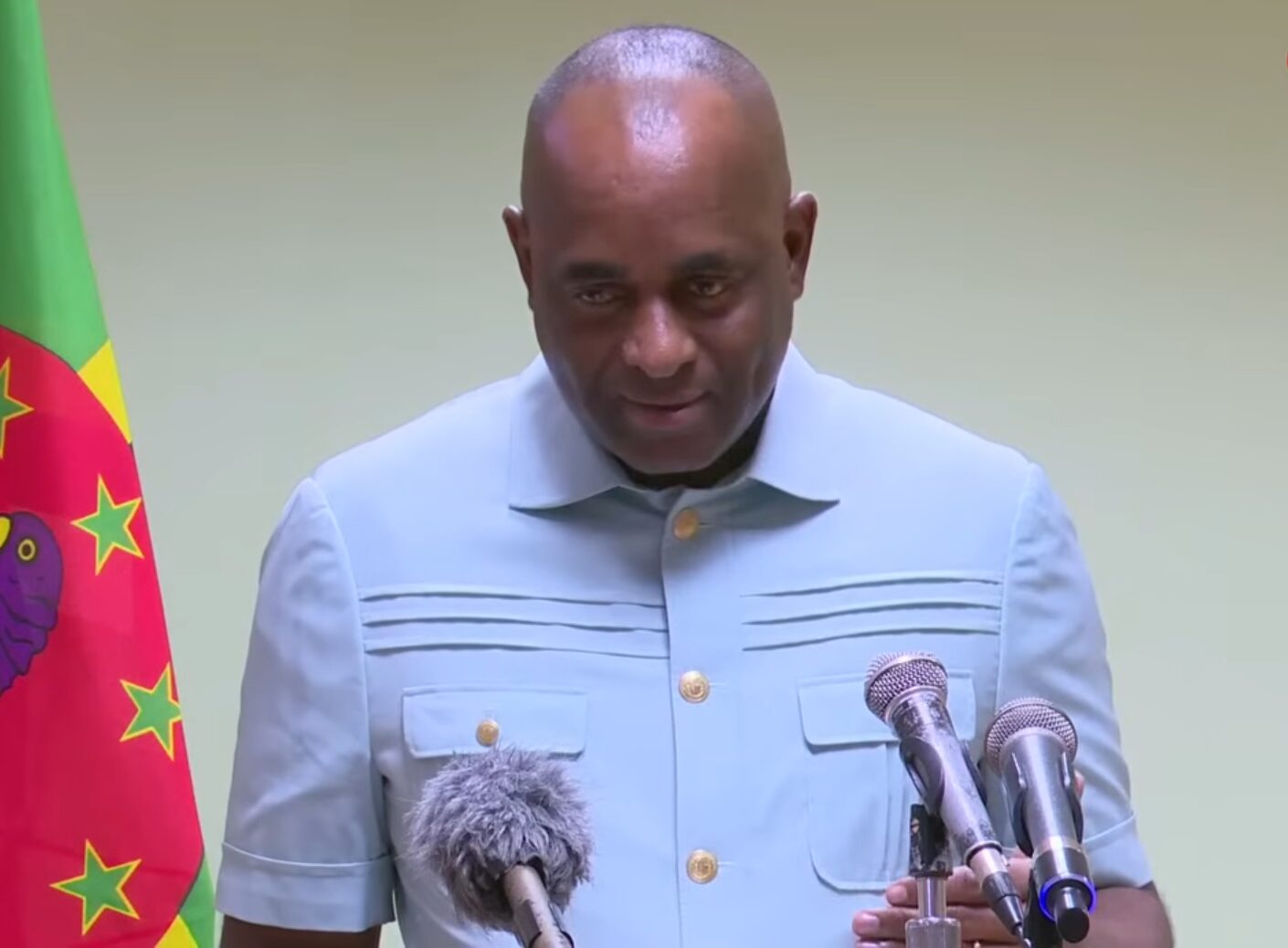
The Caribbean nation of Dominica is confronting what Prime Minister Roosevelt Skerrit has characterized as a “national emergency” due to the devastating impact of Chronic Non-Communicable Diseases (CNCDs). In a recent press conference, Skerrit announced plans to convene a high-level national consultation to address this mounting public health crisis that now represents the greatest threat to both national health and economic stability.
Epidemiological data from the past fifteen years reveals CNCDs—including cardiovascular conditions, stroke, cancer, diabetes, chronic respiratory illnesses, and hypertension—have emerged as the predominant cause of mortality nationwide. Beyond the human toll, these conditions are severely undermining economic productivity and draining national healthcare resources.
Prime Minister Skerrit emphasized the critical need for enhanced preventive measures, noting the irreversible nature of many CNCDs. “Prevention remains our most effective strategy since cures for these conditions remain limited,” Skerrit stated. “We’re witnessing too many citizens reaching medical facilities at advanced stages where effective intervention becomes extremely challenging.”
The financial burden has reached alarming proportions, with the Ministry of Health allocating approximately 75% of its hospital budget to CNCD treatment. This substantial expenditure highlights the urgent need for strategic reallocation toward prevention and early intervention programs.
The forthcoming national consultation will seek to develop comprehensive strategies involving multisectoral collaboration. Skerrit stressed the necessity of society-wide engagement, stating, “This transcends healthcare alone—it requires educational initiatives reaching from children to seniors, ensuring every generation understands prevention and management techniques.”
The government’s initiative aims to implement robust public education campaigns while creating coordinated policies to reduce CNCD prevalence through lifestyle modifications, early detection programs, and improved healthcare access.