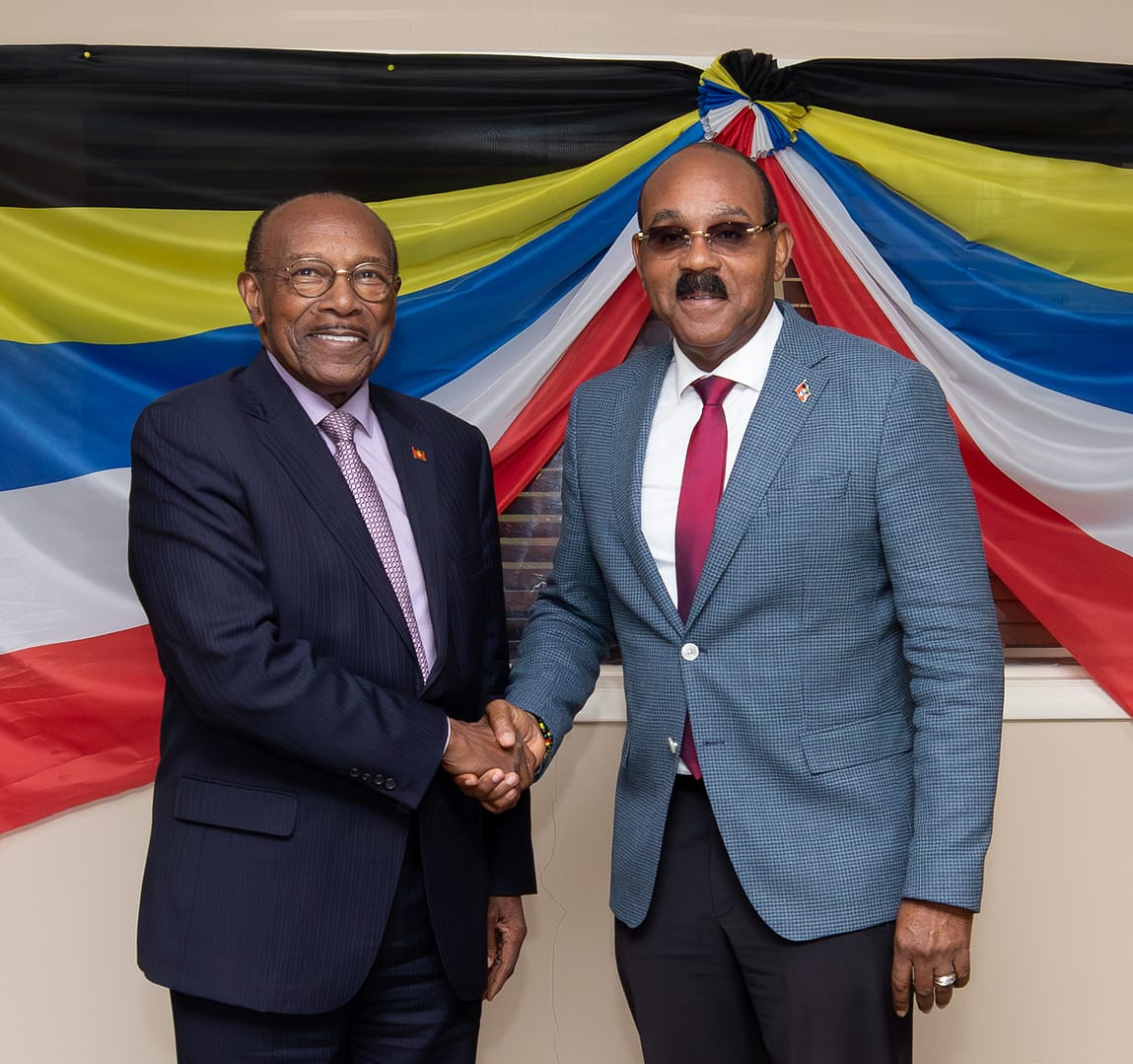
In his valedictory address to Parliament, outgoing St. Mary’s North representative Sir Molwyn Joseph categorically refuted circulating speculation that his political departure resulted from external pressure or party leadership maneuvering. The seasoned legislator characterized his exit as a deliberate personal choice informed by familial considerations and strategic timing after forty-two years of parliamentary service.
Addressing colleagues in the chamber, Joseph explicitly dismissed claims of being marginalized by the Antigua and Barbuda Labour Party leadership or compelled to resign by Prime Minister Gaston Browne. He characterized such narratives as baseless rumors, emphasizing his consistently collaborative and accessible relationship with the nation’s leader. ‘I can state unequivocally that the Prime Minister did not orchestrate my parliamentary departure. These assertions constitute complete nonsense,’ Joseph declared amidst parliamentary proceedings.
The veteran politician articulated that his decision emerged from introspective assessment of personal priorities and family dynamics rather than political calculus. He revealed that his spouse and children had expressed compelling desires for increased presence and engagement, humorously noting that ‘when your wife and children speak, it constitutes a supermajority’—a remark that elicited laughter from assembled lawmakers.
While relinquishing his parliamentary seat, Joseph clarified that his retirement from elected office does not signify complete withdrawal from political life. He reaffirmed his enduring allegiance to the ruling party, stating ‘I maintain my commitment to this political movement and shall remain actively engaged in its endeavors.’ This statement served both as assurance to party loyalists and caution against misinterpreting his departure as diminished dedication to public service.
Joseph’s comprehensive address appeared strategically timed to preempt electoral season speculation regarding his unexpected exit. By confronting rumors directly, he effectively framed his transition as a voluntary conclusion to a substantial legislative career rather than consequence of internal party dynamics. The outgoing MP concluded by reinforcing the autonomy underlying his decision, marking the culmination of four decades of parliamentary service characterized by asserted independence and renewed family commitment.