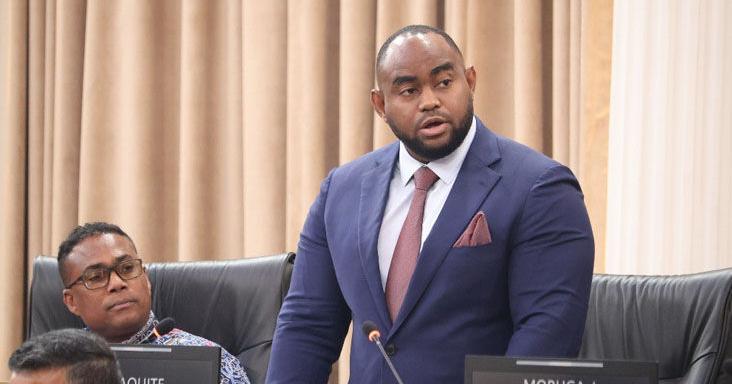
Trinidad and Tobago’s Foreign Minister Sean Sobers has launched a formal condemnation against the Caribbean Community (CARICOM), alleging procedural violations in the reappointment of Secretary-General Dr. Carla Barnett. During a parliamentary address on Thursday, Minister Sobers characterized the process as ‘surreptitious’ and fundamentally damaging to the regional body’s integrity.
The controversy centers on claims that Trinidad and Tobago—CARICOM’s largest financial contributor—was systematically excluded from decision-making processes. Minister Sobers revealed that the nation provides approximately $127 million annually to various CARICOM institutions, representing 22% of the organization’s total budget. This substantial investment includes $35.5 million to the CARICOM Secretariat, $25 million to the Development Fund, and significant allocations to agencies including CARPHA ($14 million) and the Caribbean Examinations Council ($10.3 million).
According to Sobers, the first indication of Dr. Barnett’s reappointment came via telephone on March 24, despite the matter never appearing on official agendas during February’s 50th Regular Meeting in St. Kitts. The minister emphasized that neither the preliminary Community Council discussions nor the final Plenary Session included this critical decision, with subsequent communiqués and decision summaries similarly omitting any reference to the reappointment.
Prime Minister Kamla Persad-Bissessar has aligned with her minister’s position, publicly declaring non-support for Barnett’s continued leadership and signaling intentions to reduce Trinidad and Tobago’s financial commitments to CARICOM. The government maintains that any decisions made without proper participation of all member states violate Article 24 of the Revised Treaty of Chaguaramas, rendering them ‘ultra vires’ or beyond legal authority.
Despite this confrontation, Minister Sobers reaffirmed Trinidad and Tobago’s commitment to CARICOM’s revitalization, particularly emphasizing the importance of the regional market where Trinidad serves as both largest importer and exporter of goods. The government has called for emergency discussions during the upcoming July meeting in St. Lucia, demanding increased transparency and adherence to established protocols for all future decisions.