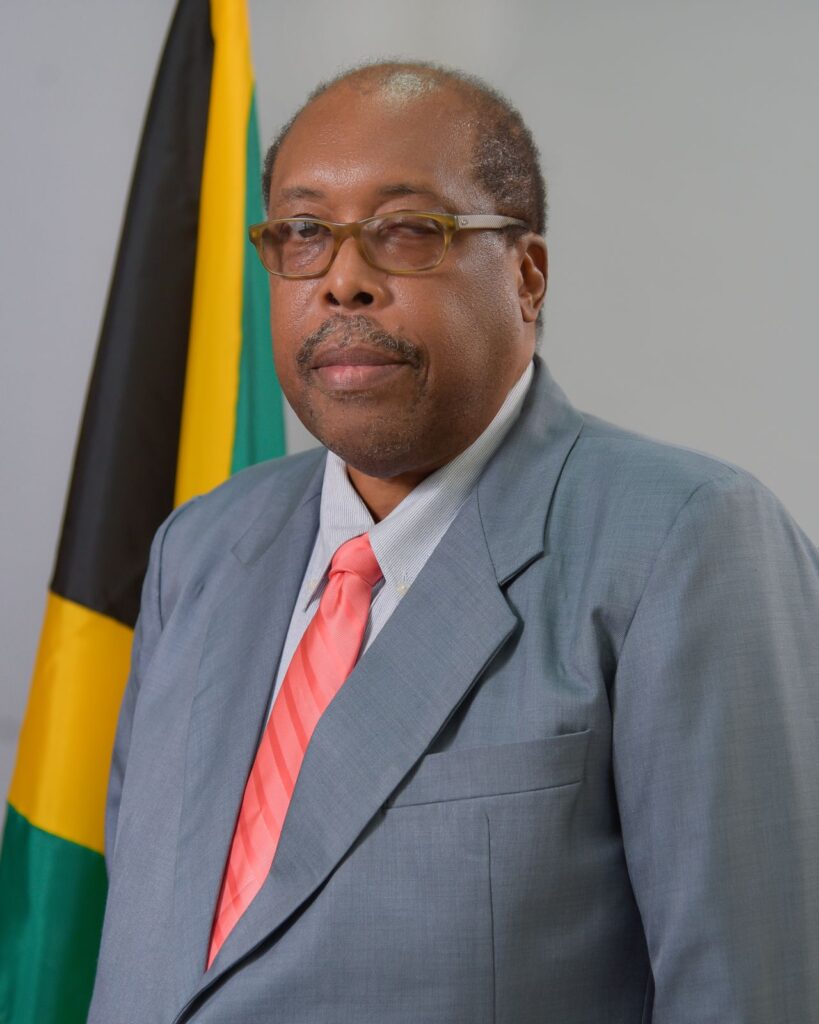
KINGSTON, Jamaica — Opposition Senator Lambert Brown has reignited a contentious debate by demanding the implementation of a shelved 2023 proposal that would dramatically increase stipends for non-executive senators. The proposed adjustment would elevate their per-sitting compensation from the current $53,000 to $148,000—a substantial 179% increase.
Ironically, this very proposal was previously rescinded by former Finance Minister Dr. Nigel Clarke following objections from Opposition senators themselves. The reversal occurred in September 2023 amid widespread public backlash against substantial salary hikes for politicians.
During deliberations on the Appropriations Bill, Senator Brown, a noted trade unionist, framed his appeal as a matter of fairness. He emphasized that non-executive senators remain the only parliamentary group excluded from recent compensation reviews, alongside certain University of the West Indies employees.
“This transcends partisan politics,” Brown asserted in his address to the finance minister. “I am advocating for the 16 non-executive senators who represent the sole segment within Parliament yet to benefit from the reclassification exercise.”
Jamaica’s Senate comprises 21 members—13 government-appointed and 8 opposition-appointed—with only 5 holding executive positions as cabinet ministers or parliamentary secretaries.
Brown justified the demand by highlighting practical challenges faced by senators, noting that colleagues like Charles Sinclair and Allan Bernard undertake extensive travel from Montego Bay to Kingston for each session. He further contextualized the request against Jamaica’s rising cost of living, citing recent electricity rate increases and transportation costs.
In a parallel economic argument, Brown challenged the government’s forthcoming tax changes on motor vehicle duty concessions for public sector workers. Set to take effect May 1, these adjustments are projected to generate $1.4 billion in revenue through reinstated General Consumption Tax payments while maintaining import duty and special consumption tax exemptions.
Finance Minister Fayval Williams defended the policy shift, stating the original concession no longer aligns with current economic conditions. Brown countered that the revenue gain represents mere “chicken feed” within Jamaica’s $1.4 trillion budget, arguing the government should not squeeze public sector workers for minimal fiscal benefit.