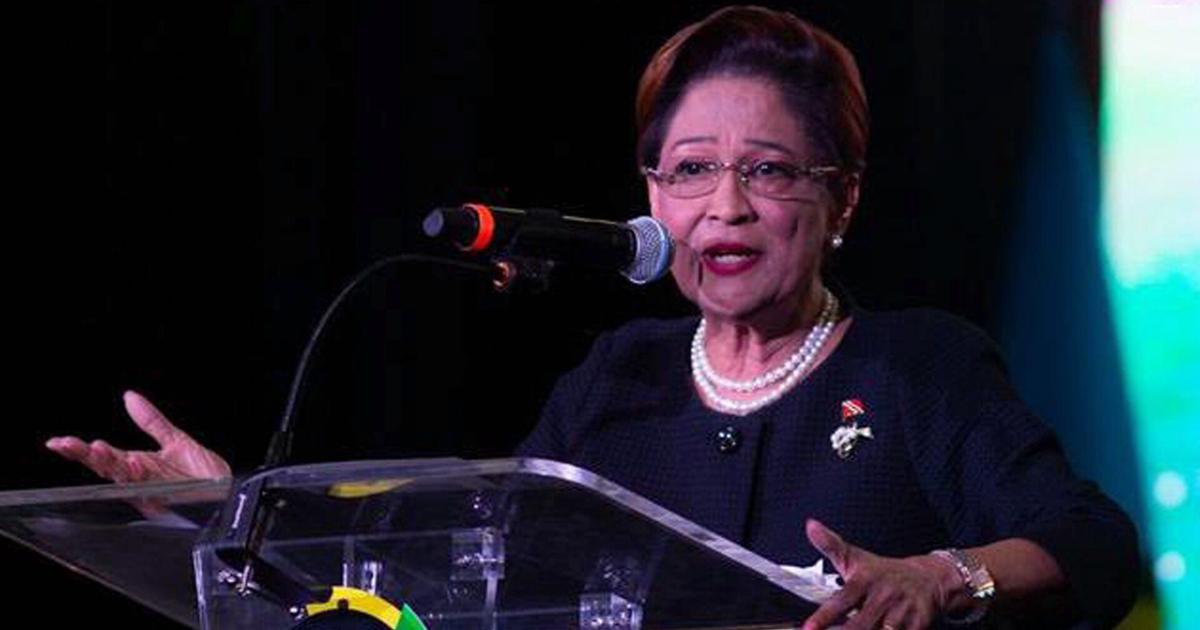
In a significant development for Caribbean regional politics, Trinidad and Tobago’s Prime Minister Kamla Persad-Bissessar has publicly opposed the reappointment of CARICOM Secretary-General Dr. Carla Barnett while announcing substantial reductions in her nation’s financial contributions to the regional bloc. This decisive stance emerges amid growing tensions regarding CARICOM’s governance transparency and operational effectiveness.
The controversy centers on the reappointment process that occurred during February’s CARICOM meeting in St. Kitts, where a majority of member states approved Barnett’s second term beginning August 2026. Prime Minister Persad-Bissessar explicitly rejected this decision, stating bluntly: ‘Caricom has been failing for 52 years and will continue to fail for the next 52 years.’
Financial implications form a critical component of this dispute. Trinidad and Tobago currently contributes approximately 22% of CARICOM’s annual budget—amounting to $4-5 million—under the organization’s funding formula that requires more developed economies to provide larger shares. The Prime Minister confirmed that these contributions would be substantially reduced, though specific figures remain undisclosed.
Foreign Minister Sean Sobers formally articulated the government’s objections in an official letter to CARICOM leadership, obtained by media sources. The correspondence highlights procedural irregularities, noting that Barnett’s reappointment was neither included on the provisional agenda nor discussed during plenary sessions. Particularly concerning was the exclusion of Trinidad and Tobago, Antigua and Barbuda, and The Bahamas from critical retreat discussions where the reappointment was reportedly decided.
The diplomatic communication references Article 24 of the Revised Treaty of Chaguaramas, emphasizing that the Secretary-General’s appointment must follow proper channels through the Community Council and Conference. Minister Sobers maintained that while Trinidad and Tobago remains committed to CARICOM’s revitalization, the current process violated both the spirit and letter of established protocols.
Historical context reveals deeper tensions. Prime Minister Persad-Bissessar had previously criticized CARICOM’s silence during the 2022 incident involving Trinidadian national Brent Thomas, who was allegedly kidnapped from Barbados using Regional Security System aircraft. The Prime Minister’s unanswered inquiries to the Secretariat during her tenure as opposition leader apparently fueled perceptions of institutional bias toward governing parties.
This development signals broader strategic shifts in Trinidad and Tobago’s foreign policy. The administration has clearly indicated it will no longer automatically align with CARICOM’s collective political ideologies, security frameworks, or foreign policy positions. Instead, the nation will pursue independent foreign and security policies prioritizing national sovereignty.
Concurrently, Trinidad and Tobago is expanding its international engagements beyond traditional regional boundaries. The government has applied for associate membership in Mercosur—the South American trade bloc—while joining a new hemispheric coalition focused on combating drug cartels and external threats. These moves, coupled with strengthened bilateral relations with the United States and attendance at the Shield of the Americas Summit, illustrate a deliberate diversification of diplomatic and economic partnerships.
The current impasse reflects fundamental questions about CARICOM’s relevance, governance transparency, and operational effectiveness. As one of the organization’s principal funders, Trinidad and Tobago’s reduced financial commitment and vocal criticism could prompt significant structural reevaluation within the regional body. How CARICOM addresses these challenges may determine its future viability in an evolving geopolitical landscape.