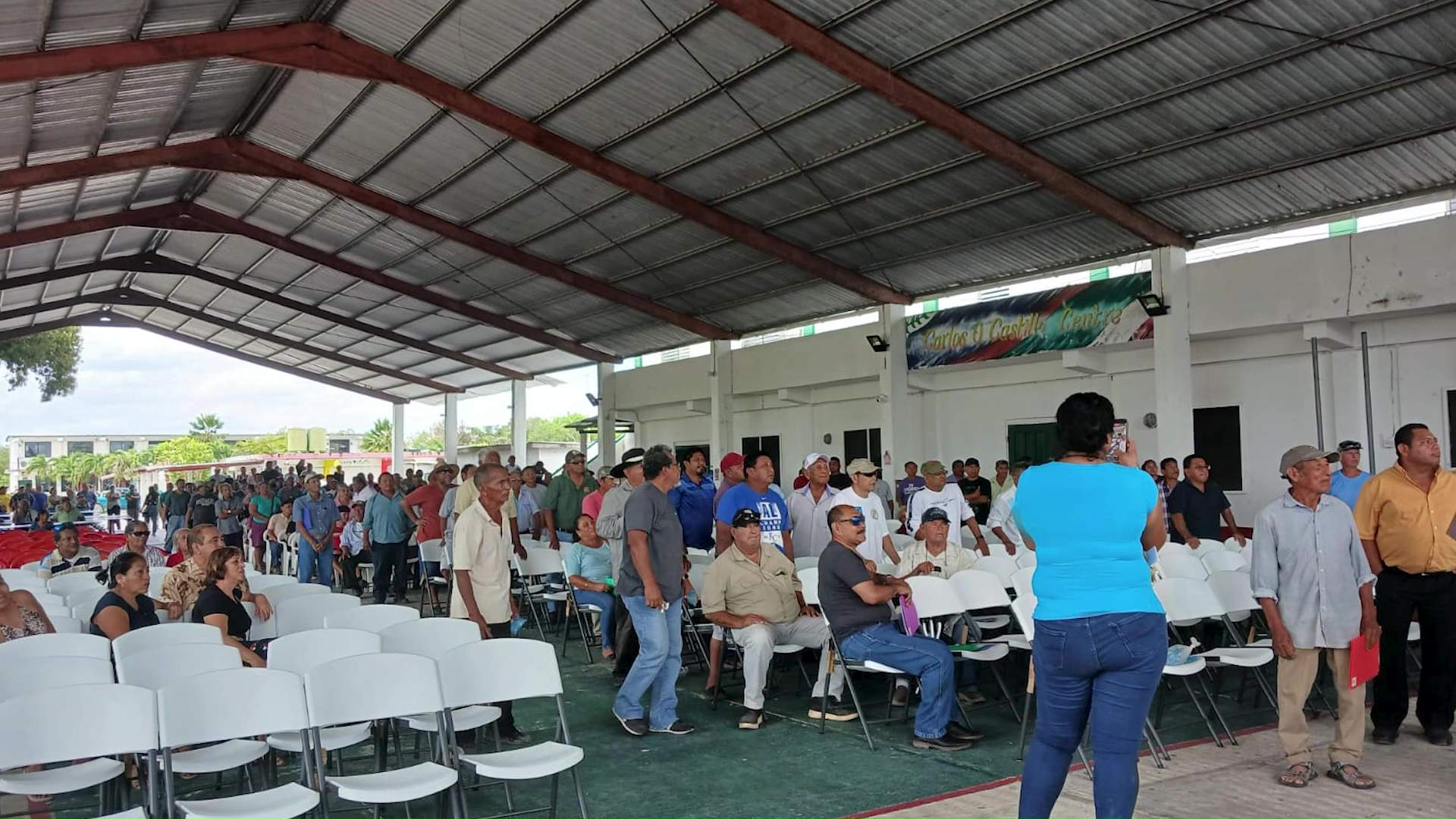
Belize’s Prime Minister John Briceño has declared that his administration will no longer provide financial bailouts to the Belize Sugar Cane Farmers Association (BSCFA), signaling a dramatic shift in the government’s approach to the ongoing crisis within the nation’s vital sugar sector. The announcement comes after months of unsuccessful negotiations between cane farmers and Belize Sugar Industries, with the government’s proposed support package being outright rejected by agricultural stakeholders.
Speaking at a recent briefing, PM Briceño expressed growing frustration with the protracted stalemate that threatens the stability of one of Belize’s cornerstone economic industries. Despite recognizing the sector’s critical importance to the national economy, the Prime Minister emphasized that the cabinet has reached its limit regarding financial interventions.
“We can’t continue bailing out the BSCFA,” Briceño stated unequivocally. “They have come to us several times requesting assistance, and we have complied because we recognize their significant role in our agricultural sector. However, each time we provide support to sugar cane farmers, we face mounting pressure from other industries equally deserving of government assistance.”
The Prime Minister highlighted the dilemma his administration faces when allocating limited resources, noting that tourism operators, fisheries, cocoa producers, and other agricultural sectors all legitimately demand support. He revealed that during recent natural disasters, many small farmers lost their produce without receiving adequate government assistance, creating what he described as “frustration and jealousy within the covenant.”
In a significant policy shift, Briceño indicated that any future support would need to be distributed equally among all four sugar associations rather than directed exclusively to BSCFA. This approach responds to complaints from other associations that they deserve equal treatment as taxpayers.
The ongoing impasse has raised concerns about the potential disruption to fertilizer distribution and other support mechanisms traditionally provided to cane farmers. With neither side showing willingness to compromise, the Belizean sugar industry faces an uncertain future that could have ripple effects throughout the nation’s economy.