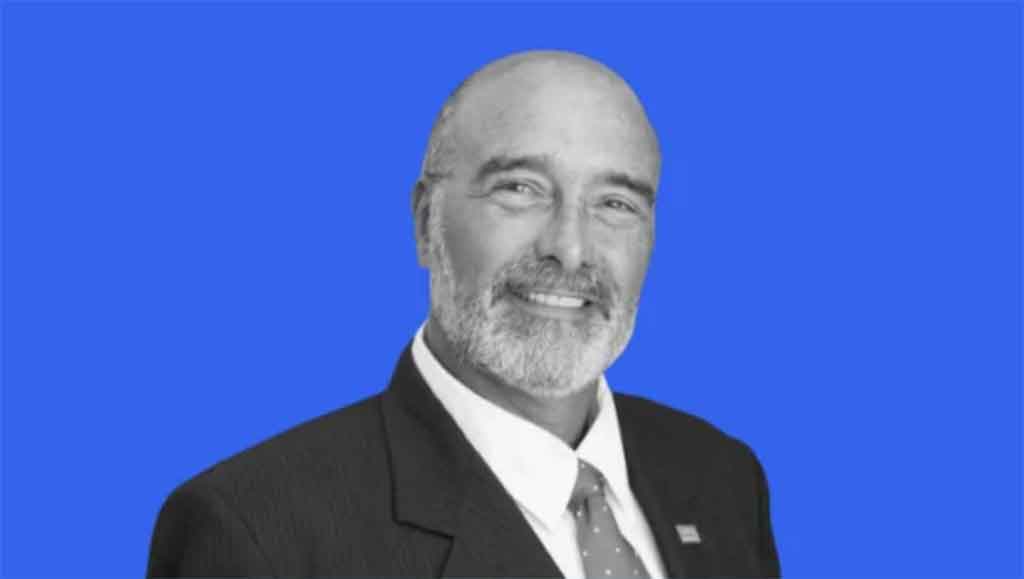
A former Costa Rican legislator and university rector has publicly denounced a unilateral decision made by the country’s outgoing executive branch, arguing the move comes at a particularly tense moment marked by growing threats of United States interference against Cuba’s people and ruling government.
In a formal statement released to the public — which he endorsed both in his public capacity and as a private Costa Rican citizen — the ex-lawmaker pointed out that the outgoing administration’s stance, announced shortly after the country’s February 1 general elections, directly contradicts longstanding core traditions of pacifism and international solidarity that define the Costa Rican national identity.
He stressed that there is no plausible justification for the executive branch’s action, which he says lays bare the current government’s subservient posture to U.S. interests. The decision, he argues, reflects the arrogance of foreign powers seeking to undermine the inherent sovereignty of the Cuban people and their government.
Former legislator Salom, the author of the statement, further contextualized the critique by recalling the long history of diplomatic ties between the two Latin American nations, which were first established back in 1907. Across that more than 11-decade relationship, Salom emphasized, the Cuban government has never taken a single action that could warrant the punitive decision communicated recently by Costa Rica’s Ministry of Foreign Affairs.
The statement closes with a clear appeal directed both to the Cuban people and government, and to fellow Costa Rican citizens: Salom expressed his earnest hope that the nation’s incoming democratic leadership will reverse what he frames as an irrational, servile act by the current outgoing administration.
Costa Rica’s February 1 elections brought a historic result, with former government minister Laura Fernández voted in as the country’s next president. Fernández is set to be inaugurated on August 8, and will become only the second woman to hold the nation’s highest office, following former president Laura Chinchilla who served in the role earlier this century.