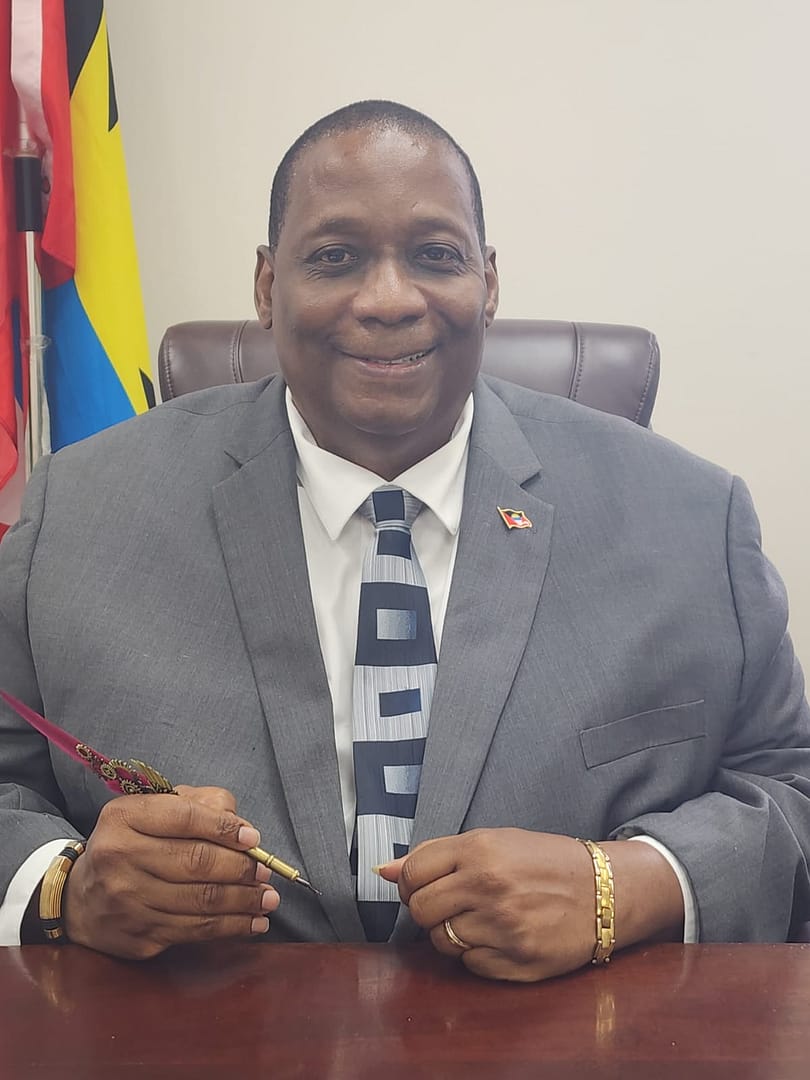
The escalating hostilities in the Middle East serve as a stark reminder of how regional conflicts can rapidly destabilize global systems, according to analysis by Ambassador Dr. Clarence E. Pilgrim. Beyond immediate humanitarian concerns, these conflicts disrupt aviation networks, trigger volatility in energy markets, and jeopardize critical maritime corridors like the Strait of Hormuz—through which 20% of global oil supply flows. This interconnectivity means instability reverberates worldwide, driving inflation and raising costs for households thousands of miles from conflict zones.
Ambassador Pilgrim argues that reactive diplomacy is insufficient. Instead, the international community must proactively establish ‘zones of peace’—defined not merely as absence of war but as deliberate frameworks where nations resolve disputes through dialogue, respect international law, and collaborate on economic and environmental progress. Such zones create conditions for societies and economies to thrive confidently.
Central to this vision is reforming the United Nations, whose structure still reflects 1945 geopolitics rather than 21st-century realities. Scholars and diplomats increasingly emphasize that without modernization, the UN risks paralysis in addressing contemporary crises. Key proposals include Security Council reform to address ‘veto-induced paralysis,’ possibly through broader representation and mechanisms to prevent single-nation blockage of collective action. Some advocate for a UN Parliamentary Assembly to incorporate citizen representation in global policy.
Historical and philosophical foundations support this pursuit. Thinkers from Immanuel Kant to Albert Einstein envisioned peace achieved through federations governed by common laws. Figures like Nelson Mandela, Martin Luther King Jr., and Mahatma Gandhi demonstrated the transformative power of reconciliation and non-violence. Dag Hammarskjöld’s assertion that the UN exists ‘to save humanity from hell’ underscores institutional importance in safeguarding peace.
Economic cooperation is pivotal. Interdependent economies—buttressed by secure transport networks, supply chains, and financial systems—reduce conflict likelihood. Regional bodies like the African Union, CARICOM, and the Association of Caribbean States already model how cooperation builds trust. Deeper integration could eventually lead to coordinated monetary arrangements or even a global currency framework to stabilize trade.
Emerging opportunities like the Blue Economy—sustainable use of ocean resources—and international scientific projects (e.g., the International Space Station) highlight cooperation’s benefits. However, realizing this potential requires cooperative governance.
Ultimately, creating zones of peace demands political courage and sustained diplomatic engagement. Peace cannot be imposed but must be built through dialogue, shared rules, and institutional reform. Humanity stands at a crossroads: continue on a path of geopolitical rivalry or embrace cooperation, reform, and shared responsibility for planetary future. The choice will define whether the 21st century becomes an era of conflict or one of collective human advancement.