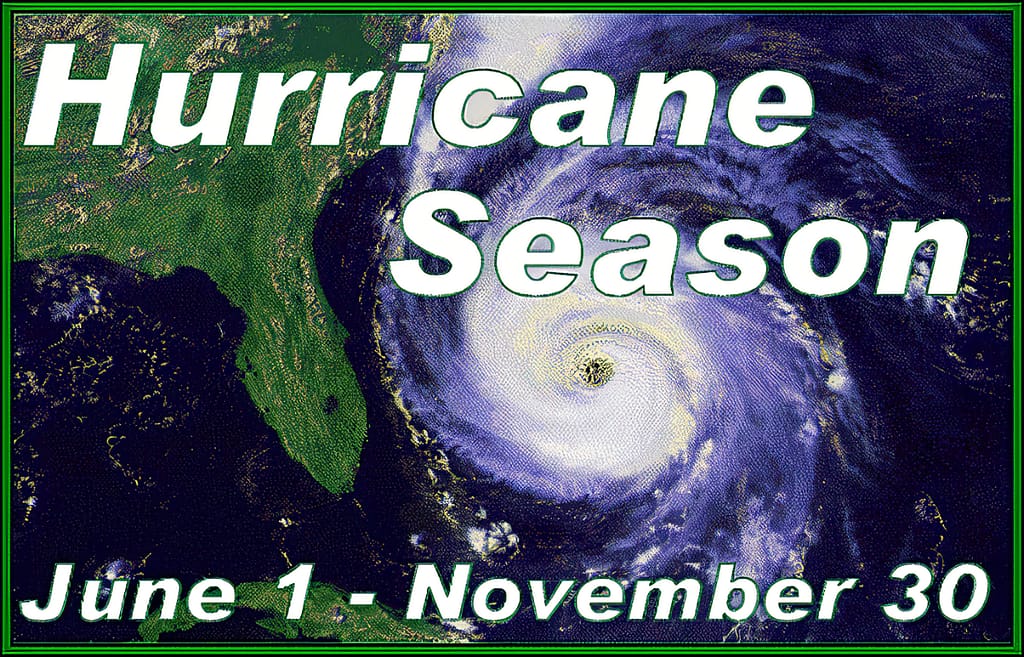
AccuWeather’s meteorological experts have released their comprehensive forecast for the 2026 Atlantic hurricane season, projecting diminished overall activity while emphasizing persistently high risks for specific coastal regions. The authoritative prediction indicates 11-16 named storms, with 4-7 developing into hurricanes and 2-4 reaching major hurricane status (Category 3 or higher). Despite these below-average figures relative to the decade’s norms, the forecast highlights 3-5 direct impacts on the United States coastline.
The season officially commences on June 1st, though meteorologists note that exceptionally warm ocean temperatures could trigger premature tropical development. AccuWeather Lead Hurricane Expert Alex DaSilva stressed the critical importance of preparedness regardless of statistical projections: “Every community from South Texas to Maine must maintain equal vigilance each hurricane season. Even a comparatively quiet season can produce devastating individual storms.”
Geographic risk assessment reveals heightened vulnerability for the Central and Eastern Gulf Coast regions alongside the Carolinas and Virginia coastline. Conversely, Central and Southern Texas face reduced probability of significant tropical impacts. The methodology for determining ‘direct impacts’ encompasses landfalls, storms passing within 60 miles of coastlines, tropical-storm-force winds inland, tropical system flooding, or storm surges exceeding two feet.
Several atmospheric factors will shape the season’s character. An emerging El Niño pattern is expected to generate disruptive wind shear, particularly during the latter half of the season, with a 15% probability of a Super El Niño developing near the September 10th climatological peak. Historical data indicates El Niño seasons average approximately 10 named storms and five hurricanes, contrasting with La Niña years’ 15 storms and eight hurricanes.
Paradoxically, record-warm Atlantic waters extending hundreds of feet deep provide abundant energy for storm intensification. DaSilva expressed particular concern regarding rapid intensification potential: “Exceptionally warm temperatures across the Gulf, Caribbean, and Atlantic create ideal conditions for sudden storm strengthening.”
The forecast also identifies increased likelihood of ‘homegrown development’—storms forming near the U.S. coastline in the Gulf of Mexico, western Caribbean, or western Atlantic. These systems pose distinct challenges by压缩 emergency preparation timelines. Meanwhile, the positioning of the Bermuda High may divert storms away from the U.S. coast, while periodic Saharan dust outbreaks could suppress development in the Atlantic’s primary storm generation region.
Caribbean vulnerabilities remain acute, especially in Jamaica where recovery continues from Hurricane Melissa’s Category 5 devastation, and in Cuba where energy crises compound hurricane preparedness challenges. Following a decade-first season without U.S. hurricane landfalls in 2025, experts warn against complacency, noting that historically quiet seasons have produced catastrophic storms like 1992’s Hurricane Andrew despite below-average storm counts.