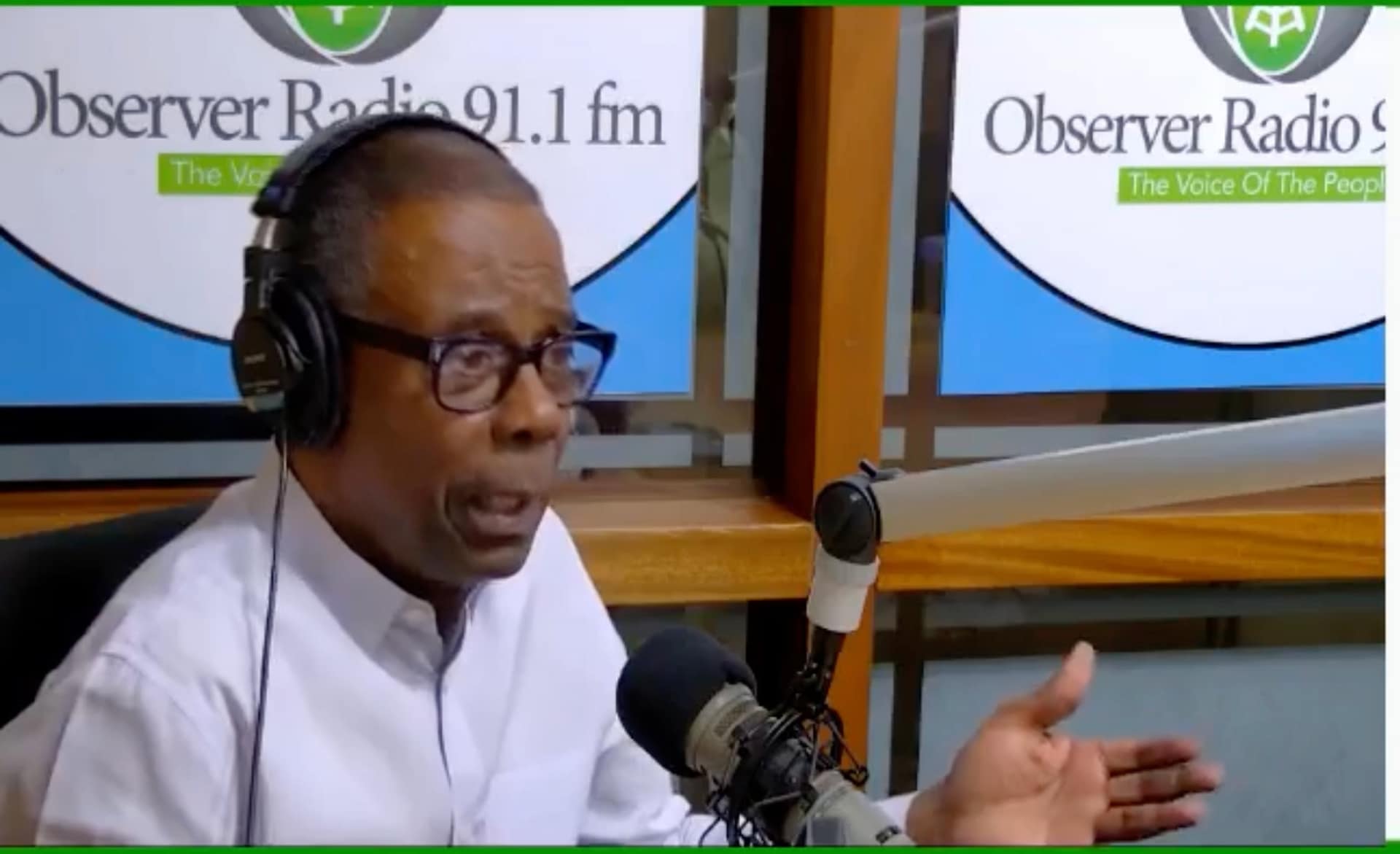
In a decisive political move, former United Progressive Party (UPP) leader Harold Lovell has unequivocally dismissed calls for a party convention ahead of anticipated general elections, labeling such considerations “highly imprudent” and strategically unsound. During a recent appearance on Observer Radio’s ‘Connecting with Dave Lester Payne,’ Lovell articulated that the constitutionally mandated April convention becomes untenable given strong indications that national polls will be called before month’s end.
The seasoned politician, now contesting the All Saints West constituency for UPP, reinforced his support for current Political Leader Jamale Pringle while explicitly rejecting notions of leadership challenges. “The Honourable Jamale Pringle serves as both opposition leader and party head,” Lovell stated. “Our collective responsibility is to unite and advance together.”
This position effectively postpones anticipated leadership transitions, including the expected departure of UPP Chair Gisele Isaac who has been central to recent internal disputes. The party has witnessed several prominent exits since its 2024 convention, attributed to escalating internal tensions. Lovell characterized these divisions as “significantly magnified and exaggerated,” describing them as characteristic of opposition politics while contrasting UPP’s situation with the ruling Antigua and Barbuda Labour Party’s resource-backed conflict management.
The ABLP has proactively scheduled its convention for April 12, with Prime Minister Gaston Browne positioning the event as crucial for achieving “election readiness” and expected to formally confirm candidates including Dr. Philmore Benjamin and Kendra Beazer.
Lovell revealed personal sacrifices made for his political return, having abandoned a three-year University of Toronto contract to re-enter frontline politics following the 2023 general election. “These are the sacrifices commitment demands,” he acknowledged. “I am fully dedicated to achieving victory.”
While constitutional provisions allow elections until March 2028, widespread expectations point to polls occurring within weeks after the Prime Minister’s indication of a potential 90-day election timeframe.