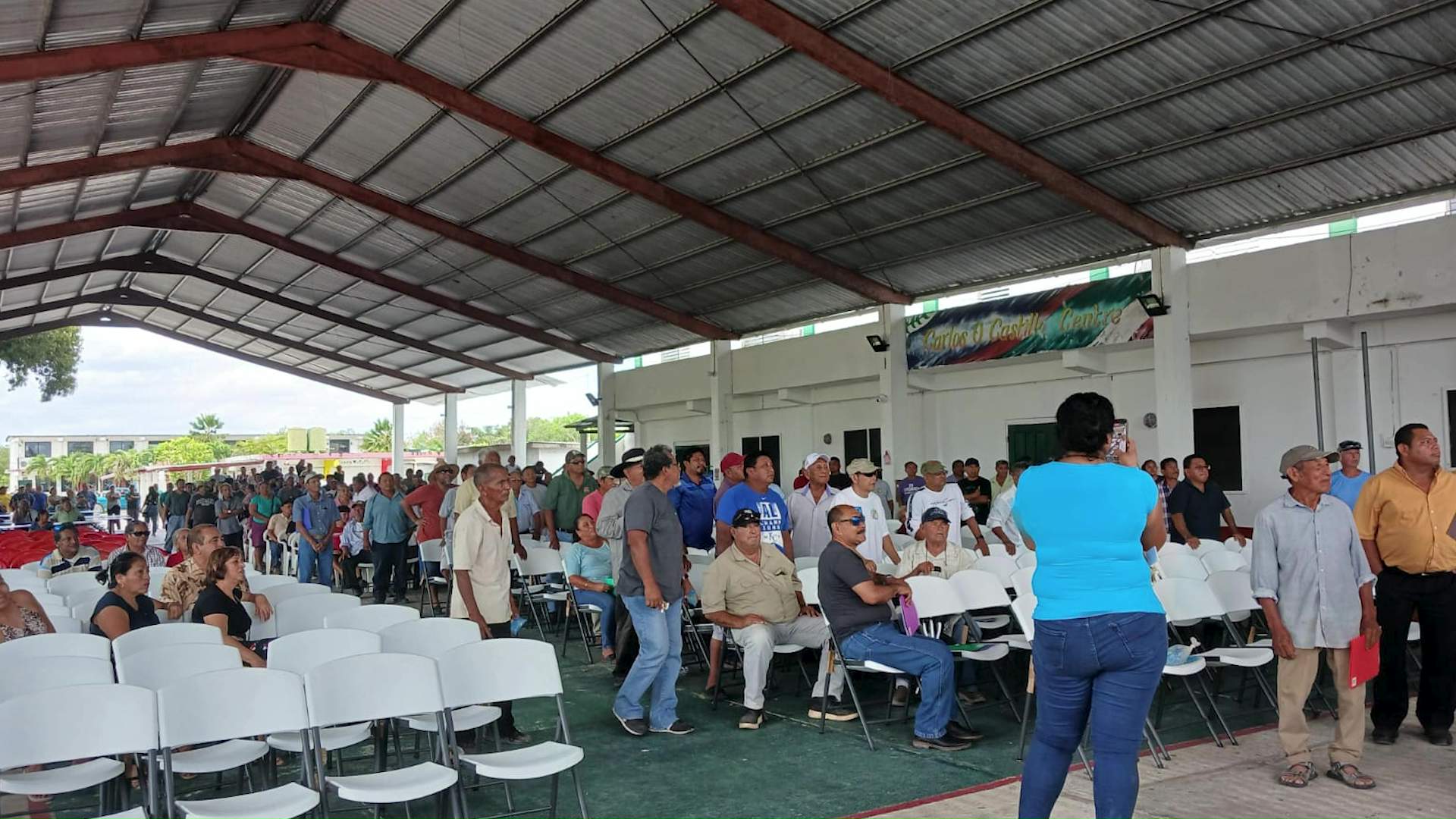
BELIZE CITY – The Belize sugar industry faces escalating tensions as cane farmers delivered a resounding rejection of a government-brokered settlement proposal during an emergency general meeting on Sunday. The Belize Sugar Cane Farmers Association (BSCFA) overwhelmingly voted against abandoning their ongoing legal battle with processing giant BSI/ASR, despite a substantial million-dollar fertilizer assistance package offered as incentive.
The core dispute centers on the contentious allocation of Fairtrade premiums, which farmers assert are rightfully theirs. The government-supported proposal required farmers to drop all related court cases in exchange for the financial assistance package—a condition growers found unacceptable.
Alfredo Ortega, Chairman of the BSCFA Orange Walk Branch, emphasized that the decision transcended financial considerations. “The farmers voted yesterday that we continue with the court case because what was being asked for them to drop was not beneficial to the farmers,” Ortega stated. “This is about principle, fairness, and maintaining control over what is rightfully ours.”
The meeting featured detailed presentations from legal counsel Magali Marin and her team, who comprehensively explained the implications of the ongoing litigation. Following these explanations, farmers voted decisively to continue their legal pursuit rather than accept the proposed settlement.
Complicating matters further, Prime Minister John Briceño’s recent departure from the BSCFA to align with the Progressive Sugar Cane Farmers Association has raised concerns about industry fragmentation. Ortega acknowledged the Prime Minister’s right to choose his association but questioned the leadership precedent being set. “As a leader, he’s supposed to work along with producers at large to ensure the sugar industry benefits from the labor that farmers do,” Ortega commented, warning that such moves could deepen divisions within an industry desperately requiring unity.
The standoff reflects deepening frustration and eroding trust in a sector already strained by economic pressures, setting the stage for a prolonged legal and political battle that could determine the future of Belize’s sugar industry.