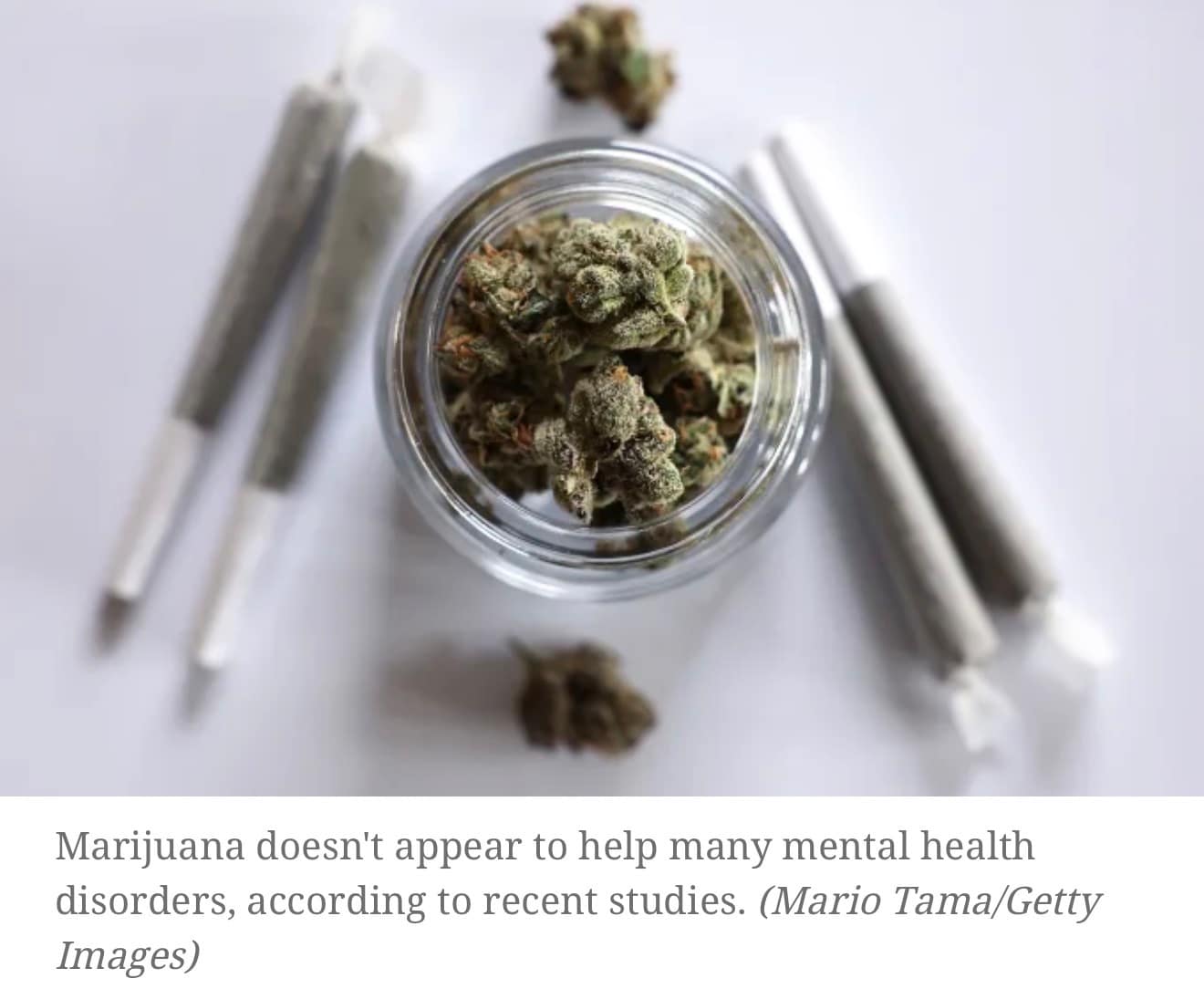
A comprehensive analysis of clinical evidence has determined that cannabis-based medications demonstrate no therapeutic benefits for treating common mental health conditions. Published in Lancet Psychiatry, the systematic review examined 54 randomized controlled trials conducted between 1980 and 2025, representing the highest standard of medical evidence.
Led by researchers from the University of Sydney’s Matilda Centre for Research in Mental Health and Substance Use, the investigation specifically evaluated cannabis formulations including cannabidiol (CBD) and delta-9-tetrahydrocannabinol (THC). The study conclusively found no measurable improvement in symptoms of anxiety, depression, or post-traumatic stress disorder—the three most common reasons for medical cannabis prescriptions.
“The cannabis medications administered in these studies were primarily oral formulations such as capsules, sprays, or oils,” explained lead author Jack Wilson, a postdoctoral research fellow. “In real-world settings, people typically use smoked cannabis, for which there exists even less evidence regarding mental health effectiveness.”
The research further determined that marijuana provided no symptomatic relief for other psychiatric conditions including anorexia nervosa, bipolar disorder, obsessive-compulsive disorder, or psychotic disorders such as schizophrenia.
This finding was corroborated by a separate JAMA study from Yale University’s Center for the Science of Cannabis and Cannabinoids. Senior author Dr. Deepak Cyril D’Souza emphasized the concerning disparity between scientific evidence and clinical practice: “These two papers clearly demonstrate there isn’t any evidence to recommend cannabis or its derivatives for mental health treatment, yet almost every US state approves medical marijuana for these conditions.”
Despite the lack of proven efficacy, medical marijuana usage for mental health purposes continues to grow. Approximately 27% of individuals aged 16-65 in the United States and Canada have used cannabis for medical purposes, with about half specifically targeting mental health symptoms.
The research highlights significant safety concerns, particularly regarding modern high-potency products. THC concentrations have skyrocketed from approximately 4% in the 1970s to current averages of 18-20%, with some dispensary products reaching 35% THC and concentrates containing up to 80% THC.
This increased potency correlates with rising addiction rates, with approximately 30% of marijuana users in the United States developing cannabis use disorder. Vulnerable populations—including pregnant individuals, adolescents, and young adults—face particular risks, with cannabis use potentially disrupting brain development and exacerbating existing mental health conditions.
“Daily users of high-potency cannabis may be six times more likely to develop psychotic disorders such as schizophrenia compared to non-users,” warned Dr. D’Souza.
The studies recommend evidence-based alternatives including selective serotonin reuptake inhibitors (SSRIs) and cognitive behavioral therapy (CBT), both of which have established efficacy for treating depression and anxiety disorders.