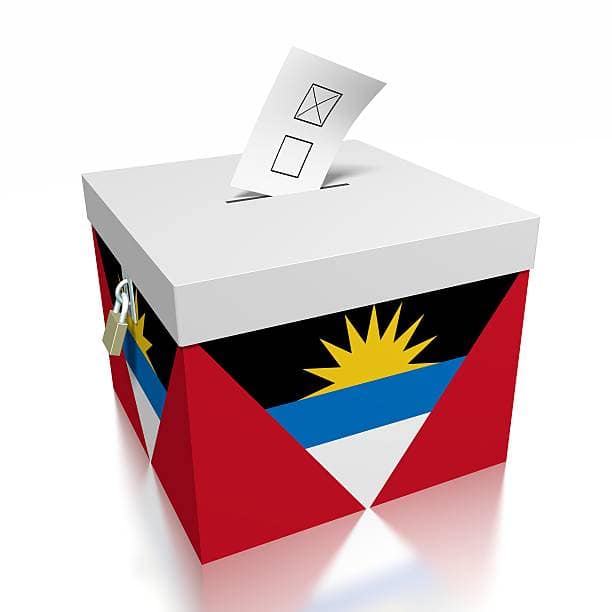
A concerning trend is emerging among younger demographics nationwide: the disillusioned belief that political participation holds negligible value due to perceived similarities between major parties. This sentiment, while understandable given cyclical election patterns and delayed policy implementations, threatens to undermine the very democratic mechanisms that empower generational change.
Electoral participation transcends mere party selection—it represents a fundamental tool for directing national development trajectories and ensuring youth concerns remain central to policy agendas. Within polling stations, democracy manifests its most equalizing power: a first-time voter wields identical influence to established politicians, corporate leaders, and veteran constituents. This rare parity deserves recognition rather than dismissal.
While political parties may share superficial similarities in messaging, profound differences emerge in leadership approaches, policy implementation methodologies, and developmental priorities. Public engagement directly shapes governmental responsiveness—when youth constituencies actively participate, they create imperative pressures that demand earned representation rather than assumed support.
Governance constitutes an evolutionary process rather than a static institution. Administrations operate within constraints including economic limitations and global pressures, yet voter engagement directly influences how leadership navigates these challenges. Youth visibility at polls encourages more adaptive and forward-thinking governance models.
Beyond policy considerations, voting embodies collective ownership of national futures. Each ballot represents an active declaration that societal direction belongs equally to younger generations rather than remaining exclusively within established political elites. This participatory ownership fosters societal connectivity and investment in long-term outcomes.
Democratic progress often manifests incrementally rather than through immediate transformation. Consistent electoral pressure across multiple cycles gradually shifts priorities, elevates new leaders, and redefines governmental expectations. Even skeptical voters should recognize participation not as endorsement of perfection, but as foundational engagement within an imperfect system.
The fundamental reality remains unambiguous: absent youth participation, future-shaping decisions will proceed without generational representation. Leadership evolution continues regardless—the critical variable remains whether young voices will help direct that evolution through active involvement rather than passive observation.