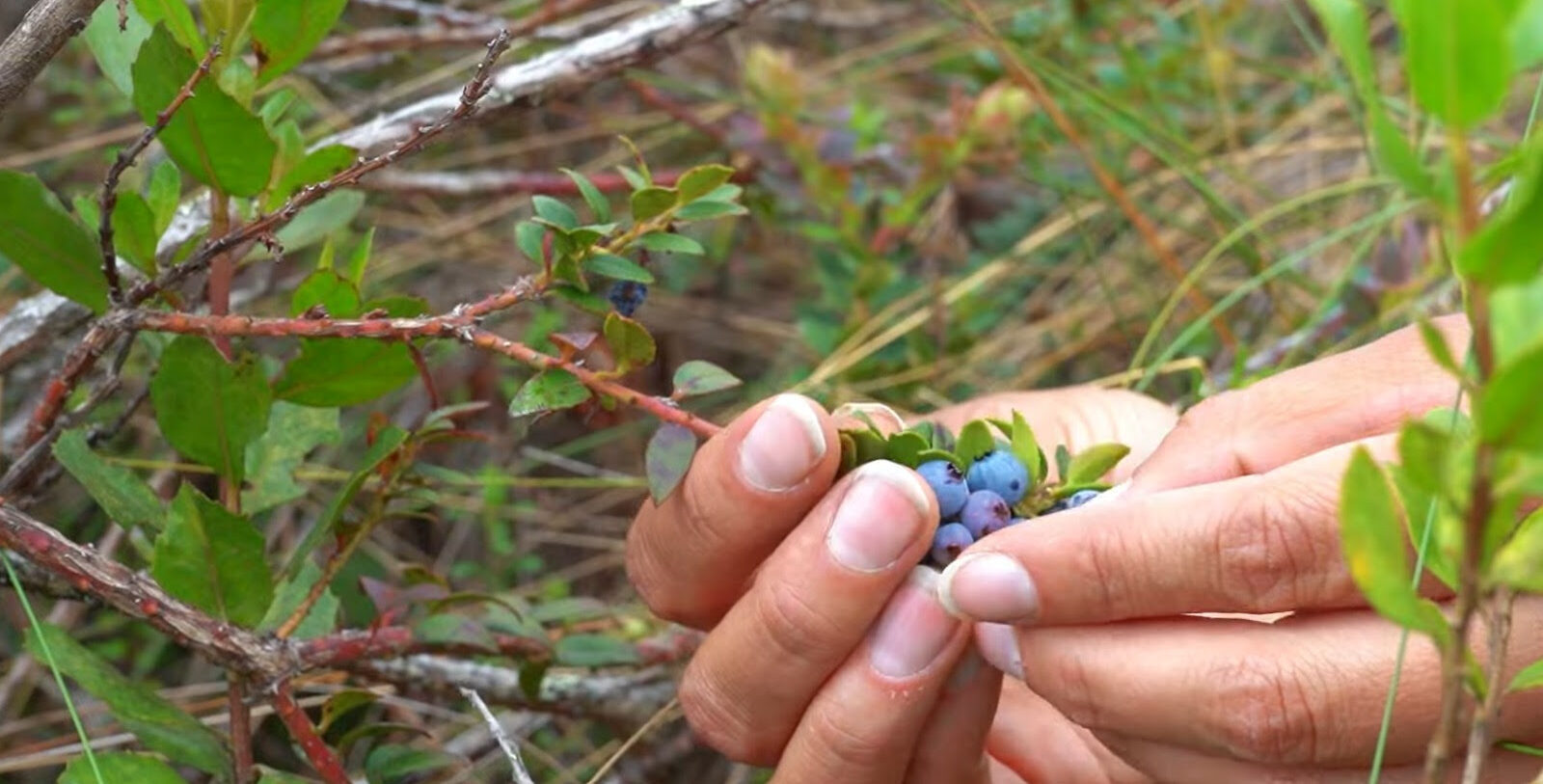
Ecuador’s páramo ecosystem, a fragile high-altitude environment, hosts the indigenous Andean blueberry (Vaccinium floribundum), known locally as agraz. This culturally significant wild fruit, related to North American blueberries, now symbolizes the ecological pressures facing this unique habitat due to agricultural expansion and commercial harvesting.
In response to these threats, the Sacha Ñawi initiative has emerged as a comprehensive conservation effort. Spearheaded by the Inter-American Institute for Cooperation on Agriculture (IICA) in partnership with Ecuador’s Ministry of Environment and Energy and the National Agricultural Research Institute (INIAP), this program addresses the delicate balance between preservation and sustainable use.
The project operates under the broader framework ‘Conservation and sustainable use of crop wild relatives and edible wild species,’ funded by the Global Environment Facility and implemented by FAO Ecuador with support from local universities and community organizations. Its primary objective involves strengthening institutional frameworks to protect wild species while incorporating them into national planning strategies.
The Andean blueberry holds particular cultural importance as the key ingredient in colada morada, a traditional beverage consumed during Day of the Dead celebrations. Unlike commercially cultivated fruits, this species remains predominantly wild-harvested during September and October, with minimal domestication efforts.
Recent increased demand for blueberry-based products—including wines, jams, and traditional drinks—has intensified harvesting pressure, threatening the species’ sustainability. The Sacha Ñawi project has initiated focused conservation work in Cotacachi canton (Imbabura province), collaborating with research institutions to map genetic diversity and identify priority conservation areas.
Beyond research, the initiative develops sustainable harvesting regulations that protect both ecosystems and local livelihoods. Simultaneously, it works to strengthen the berry’s value chain through market access improvements, producer organization, and conservation incentives.
The project extends to additional cantons including Archidona, Tena, and Arosemena Tola in Napo province—regions within ecologically significant Andean and Amazonian biomes containing numerous protected areas. Here, biodiversity and cultural traditions remain deeply interconnected, presenting the fundamental challenge of preserving species without disrupting the essential relationships between ecosystems and the communities that depend on them for both sustenance and cultural identity.