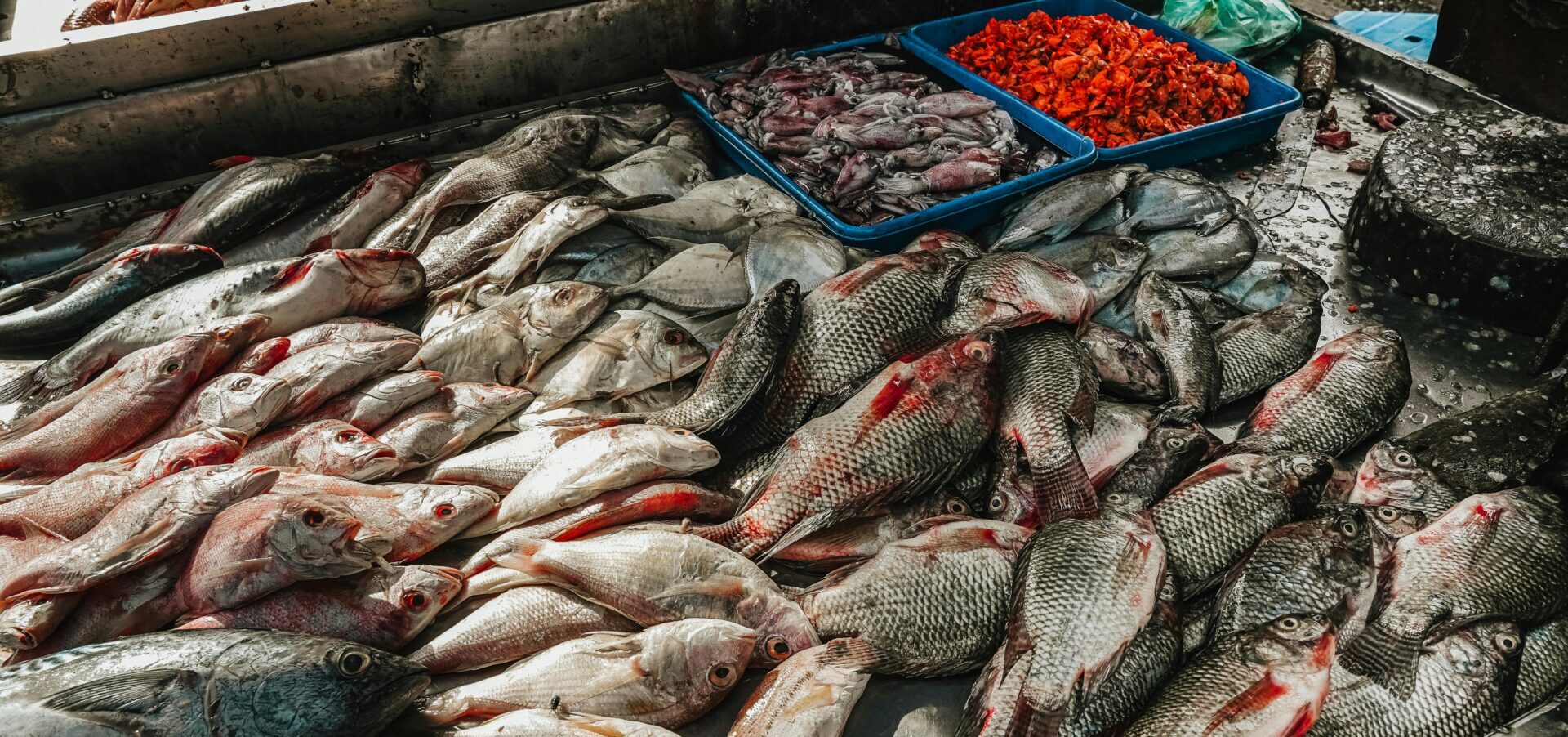
A recent prohibition on fish and fish product exports from Grenada to the United States has triggered significant economic concerns while simultaneously opening discussions about regulatory compliance and trade diversification within the Caribbean region. The restriction, implemented due to Grenada’s inability to meet comparability requirements under the U.S. Marine Mammal Protection Act, highlights the growing importance of environmental standards in global trade relationships.
The regulatory framework governing U.S. seafood imports mandates that exporting nations demonstrate fisheries management systems that protect marine mammals at standards equivalent to those enforced in American waters. These requirements include monitoring marine mammal by-catch, enforcing reporting mechanisms, and implementing safeguards against harmful fishing interactions. Grenada’s failure to satisfy these conditions has resulted in exclusion from one of its most vital export markets, creating substantial implications for an island nation where marine resources form a cornerstone of economic stability.
Economically, the ban presents immediate challenges across Grenada’s fisheries value chain. The sector supports thousands of livelihoods through direct employment, export earnings, and tourism supply chains, generating millions in annual revenue. The disruption exposes structural vulnerabilities within Caribbean trading systems, particularly the overdependence on single export markets that leaves economies susceptible to regulatory shifts.
This development underscores the increasingly complex landscape of international trade governance, where food safety, environmental sustainability, and consumer protection regulations become critical market access determinants. Compliance requires sophisticated systems including Hazard Analysis Critical Control Points, catch documentation programs, vessel monitoring technologies, and certified processing facilities—challenges for small nations with limited regulatory capacity.
Despite immediate setbacks, the situation presents strategic opportunities for transformation. Regional market expansion through the CARICOM Single Market and Economy framework offers promising alternatives, with tourism-driven neighbors like Barbados, Trinidad and Tobago, and Saint Lucia maintaining consistent seafood demand. Beyond the Caribbean, Canada emerges as a logical destination for species including tuna, mahi-mahi, and lobster, while the European Union represents a premium albeit stringent market. Emerging economies in West and South Africa present longer-term diversification prospects driven by urbanization and population growth.
Addressing fundamental governance gaps remains imperative for sustainable recovery. Strengthening monitoring systems, enhancing data collection, implementing observer programs, and developing value-added processing capabilities could transform Grenada’s fisheries sector. Regional collaboration through mechanisms like the Caribbean Regional Fisheries Mechanism enables harmonized regulations, shared technology, and strengthened certification systems.
Ultimately, this regulatory intervention serves as both warning and opportunity—emphasizing that modern trade competitiveness extends beyond tariffs to encompass environmental stewardship and institutional credibility. Through coordinated response between government, industry, and regional partners, Grenada could catalyze a transformation toward greater resilience, diversification, and global competitiveness, turning immediate crisis into long-term strategic advancement.