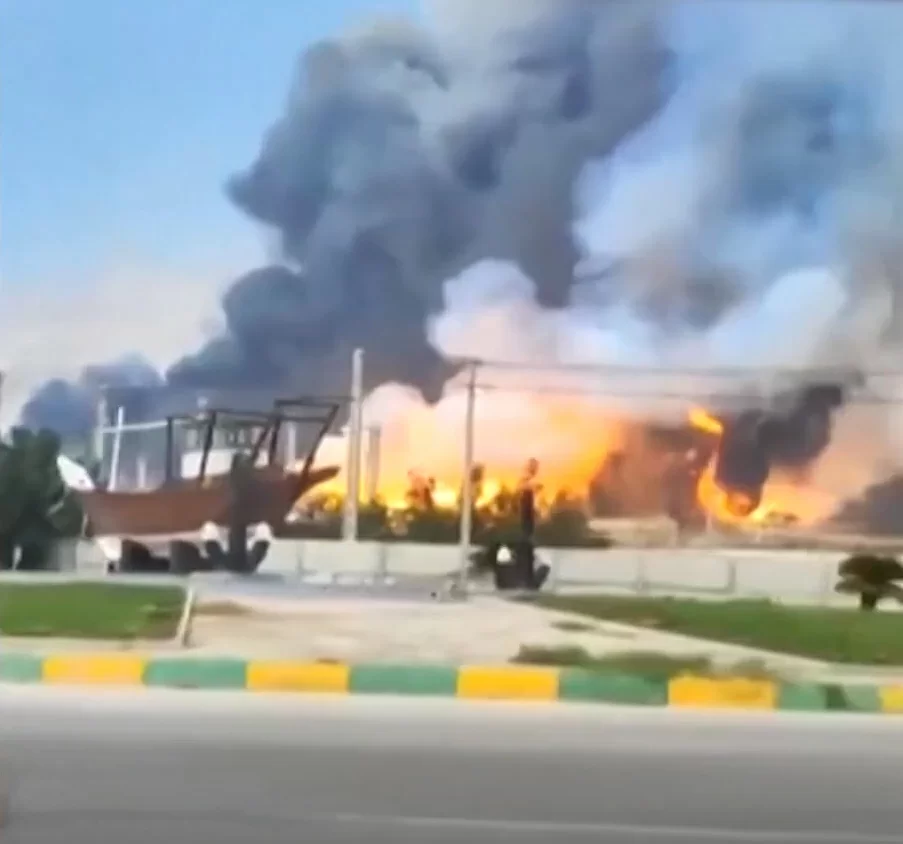
The Middle East conflict has entered a dangerous new phase following Israel’s strike on Iran’s South Pars gas field, triggering a series of retaliatory attacks that have sent global energy markets into turmoil. Brent crude, the international benchmark, surged above $119 per barrel on Thursday after Iranian forces targeted multiple energy facilities across the region in response to the Israeli operation.
The dramatic price movement saw Brent futures climb $6.02 (5.6%) to $113.40 per barrel by midday, after briefly touching $119.13 earlier in the session—nearing March 9th’s three-and-a-half-year high. West Texas Intermediate (WTI) crude advanced more modestly to $96.39 per barrel, having earlier surged nearly $4 to breach the $100 threshold.
Simultaneously, premiums for Middle Eastern benchmarks including Dubai and Oman reached unprecedented levels of approximately $65 per barrel, according to traders and Reuters data, indicating severe supply concerns in key Asian markets.
The initial Israeli strike targeted Iran’s South Pars field, which constitutes part of the world’s largest natural gas reservoir shared with Qatar. Former President Donald Trump clarified that neither the United States nor Qatar participated in the operation, while issuing a stern warning that Israel would refrain from further attacks unless Iran targeted Qatari interests.
Iran’s retaliatory measures inflicted significant damage on QatarEnergy’s Ras Laffan industrial complex, the world’s largest LNG production hub. The attacks forced the shutdown of Shell’s 140,000-barrel-per-day Pearl gas-to-liquids facility in Qatar, triggering immediate repercussions in European energy markets. Dutch TTF gas futures surged approximately 15% to peak around €70 per megawatt-hour—the highest level in over three years.
Additional attacks disabled approximately 17% of Saudi Arabia’s LNG capacity through strikes on the SAMREF refinery in Yanbu and a gas processing facility in the country’s eastern region. Energy analysts warn that restoration of these critical facilities could require months to potentially a full year, exacerbating pressure on global energy supplies.
Saudi authorities reported intercepting four ballistic missiles and a drone attack targeting gas infrastructure, while the SAMREF refinery sustained damage from aerial assaults. Although oil exports from affected ports experienced temporary disruptions, operations have since resumed. In Kuwait, a separate drone attack sparked a minor fire at the Mina al-Ahmadi refinery complex.
The escalating conflict has prompted serious economic concerns, with the U.S. Federal Reserve maintaining interest rates while warning of rising inflationary pressures driven by the energy price surge. The Trump administration is reportedly exploring measures to mitigate fuel price impacts, including potential sanctions relief for approximately 140 million barrels of Iranian oil currently stranded on tankers.
According to Reuters, U.S. officials are also considering deploying thousands of additional troops to reinforce American military presence in the Middle East as regional tensions approach critical levels.