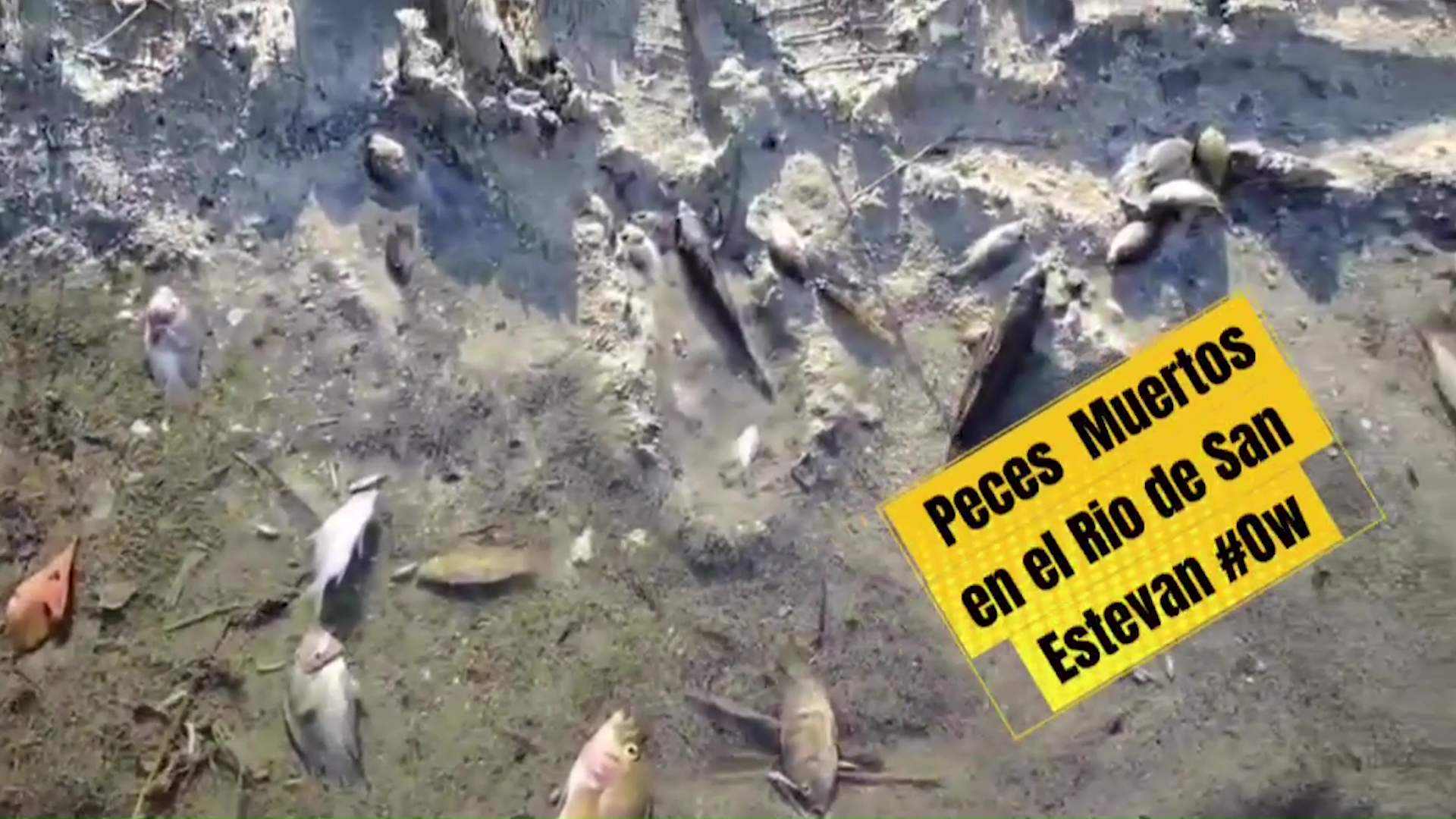
A recent mass fish mortality event near San Estevan Village has reignited serious concerns regarding the ecological health of Belize’s New River. Environmental authorities confirmed their response to the incident in Orange Walk District, noting this alarming phenomenon has become an almost annual occurrence.
Preliminary investigation data indicates the die-off resulted from critically low oxygen levels caused by extensive algal blooms. These blooms are fueled by excessive nutrient runoff originating from various human activities throughout the river’s watershed. The situation evokes memories of 2019 when the New River experienced severe eutrophication, transforming its waters into a foul-smelling, oxygen-depleted environment.
Chief Environmental Officer Anthony Mai provided critical context: “This is an occurrence that happens almost every year or every two years. Eutrophication means there was an algal bloom, normally caused by high nutrients within a water body. The algae proliferate and bloom, drawing down oxygen levels into an anoxic state that results in fish kills.”
While scientists now possess comprehensive watershed data and a strategic pollution reduction plan, a crucial infrastructure solution remains unrealized. The most significant proposed intervention—rerouting Orange Walk’s municipal drainage system to divert wastewater toward savanna areas instead of the river—awaits government action. Mai emphasized that meaningful progress now depends on these long-overdue infrastructure improvements to alleviate the persistent strain on the New River’s ecosystem.
The Department of the Environment acknowledges that all operations along the river contribute to this complex environmental challenge, highlighting the need for coordinated watershed management to address the recurring ecological crisis.