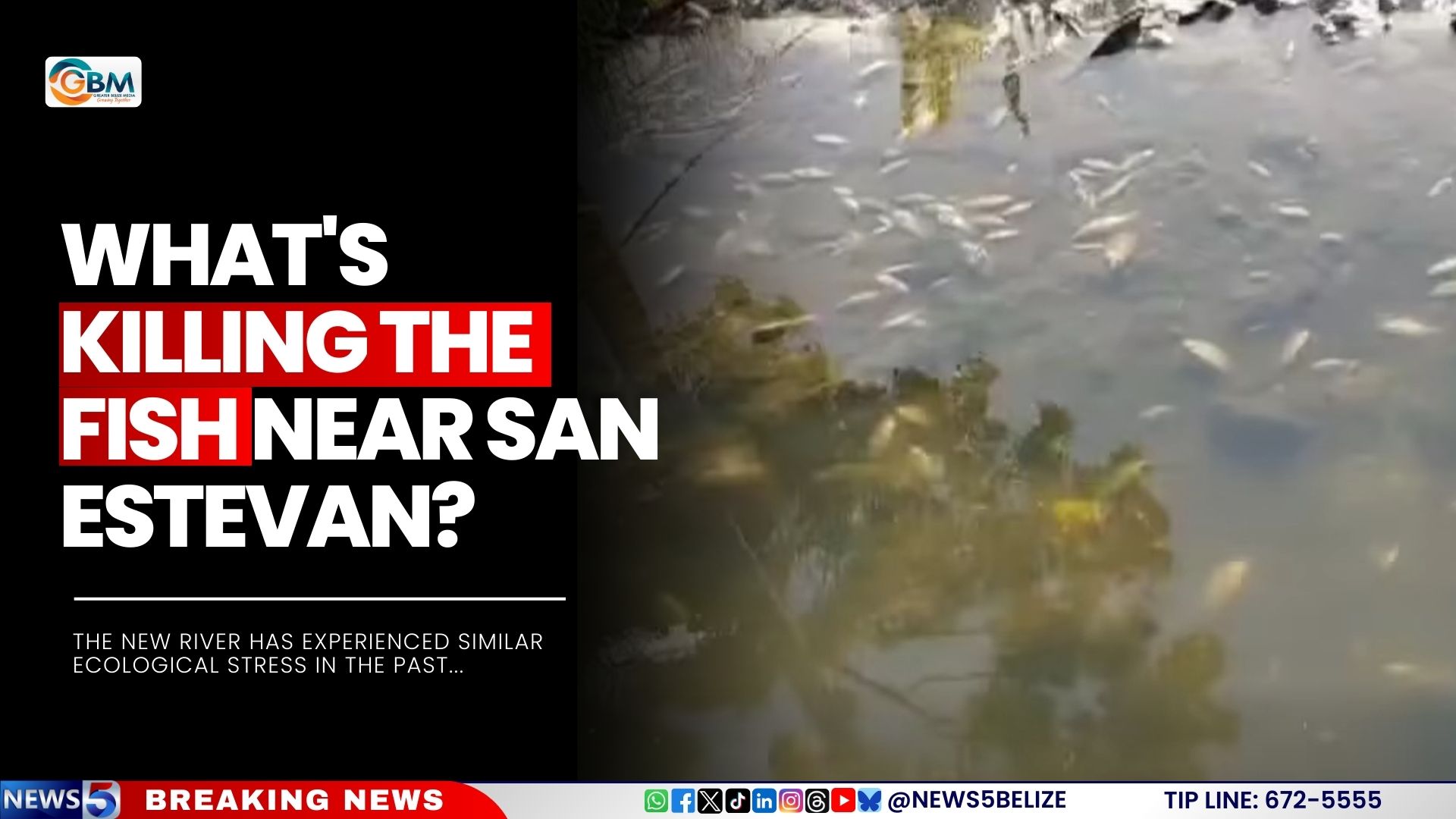
Environmental authorities in Belize are investigating a significant aquatic mortality event along the New River following reports of dead fish near San Estevan Village in the Orange Walk District. Anthony Mai, Chief Environmental Officer, confirmed that the Department of Environment (DOE) initiated immediate water quality monitoring after receiving alerts about the ecological incident.
Scientific analysis revealed critically low dissolved oxygen levels throughout multiple river sections from the Toll Bridge to San Estevan, creating lethal conditions for aquatic organisms. The investigation further identified elevated chlorophyll-a concentrations at various depths, indicating an active algal bloom phenomenon.
According to environmental experts, these blooms typically result from excessive nutrient concentrations—particularly nitrates and phosphates—in the water system. Mai explained the biological sequence: ‘Algal proliferation consumes available oxygen, creating an anoxic state that suffocates marine life. This explains the mortality pattern we’re observing.’
The New River’s geographical characteristics exacerbate its vulnerability to such events. With minimal elevation gradient and slow flow dynamics, the waterway experiences limited natural oxygenation. Additionally, tidal influences from coastal regions introduce saltwater intrusion, further destabilizing the delicate freshwater ecosystem.
Historical data indicates this represents a recurring environmental challenge, with similar events documented biennially. The most severe incident occurred in 2019 when extreme eutrophication caused substantial degradation of aquatic habitat quality. Environmental officials continue monitoring the situation while evaluating potential mitigation strategies to address the river’s chronic ecological vulnerabilities.