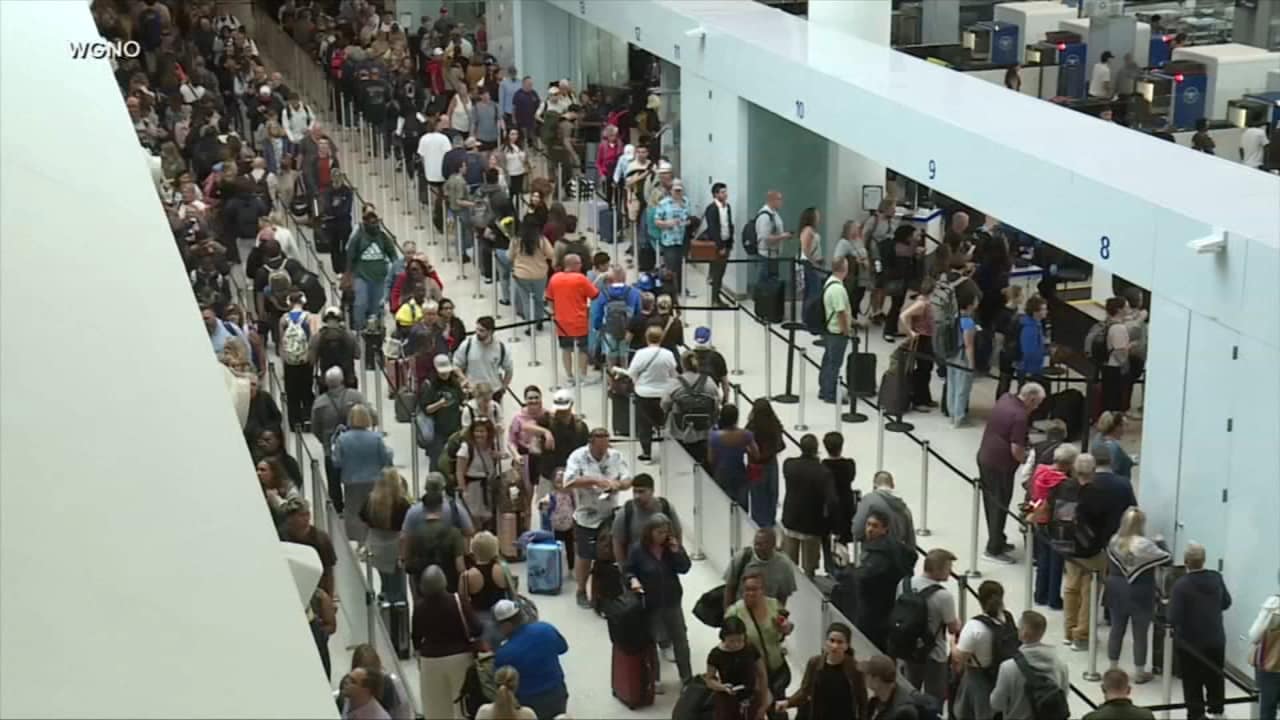
A deepening crisis is unfolding at airports across the United States as critical staffing shortages within the Transportation Security Administration (TSA) trigger extensive security delays and operational disruptions. The situation stems from the ongoing partial government shutdown that has left approximately 50,000 security officers working without pay since February 14th.
According to CBS News, approximately 10% of TSA personnel nationwide called out of work on Monday, with some major airports experiencing absentee rates exceeding one-third of their workforce over the weekend. The Department of Homeland Security confirms that more than 360 security officers have resigned since the shutdown began.
The staffing crisis has created cascading effects throughout the aviation security system. Understaffed checkpoints are struggling to process passenger volumes, resulting in significantly extended wait times. These disruptions were further exacerbated by severe winter weather conditions affecting parts of the country earlier this week.
Financial Hardship and Essential Service Mandate
TSA employees occupy a unique position within federal workforce regulations. Unlike many government workers who are furloughed during shutdowns, security personnel are deemed essential to national security and are legally required to report to work despite the payroll suspension. The agency’s pay schedule structure meant employees received their last partial paycheck in early March, with Friday marking their first scheduled payday without compensation.
Aaron Barker, a representative for the TSA workers’ union in Atlanta, revealed the severe personal toll on employees: ‘Many are coping with eviction notices, vehicle repossessions, empty refrigerators and overdrawn bank accounts. Every available financial option has been exhausted, yet these officers still report to work protecting the traveling public.’
Political Impasse and Historical Precedents
The funding stalemate centers on immigration policy reforms within the Trump administration, though TSA operations are unrelated to the political disagreement. Both political parties share responsibility for the impasse—Democrats have blocked comprehensive Department of Homeland Security funding without immigration reforms, while Republicans have rejected proposals to reopen non-immigration agencies including TSA.
Historical patterns suggest that airport disruptions may eventually pressure lawmakers toward resolution. The record-setting 43-day shutdown in 2018 ended just five days after transportation officials forced 40 major airports to reduce air traffic due to staffing shortages. Similarly, a 2019 shutdown concluded hours after air traffic controller sick calls threw East Coast travel into disarray.
Travel Advisory and Operational Outlook
TSA’s acting deputy administrator Adam Stahl warned Fox News that continued deterioration could force actual airport closures: ‘If this continues, it’s not hyperbole to suggest we may have to quite literally shut down airports.’
Travelers are advised to build significant extra time into their airport itineraries and monitor airport advisories. Unlike previous shutdowns, this partial closure affects only TSA operations while leaving air traffic control and most other government functions unaffected, potentially limiting the ultimate scale of travel disruptions compared to historical precedents.