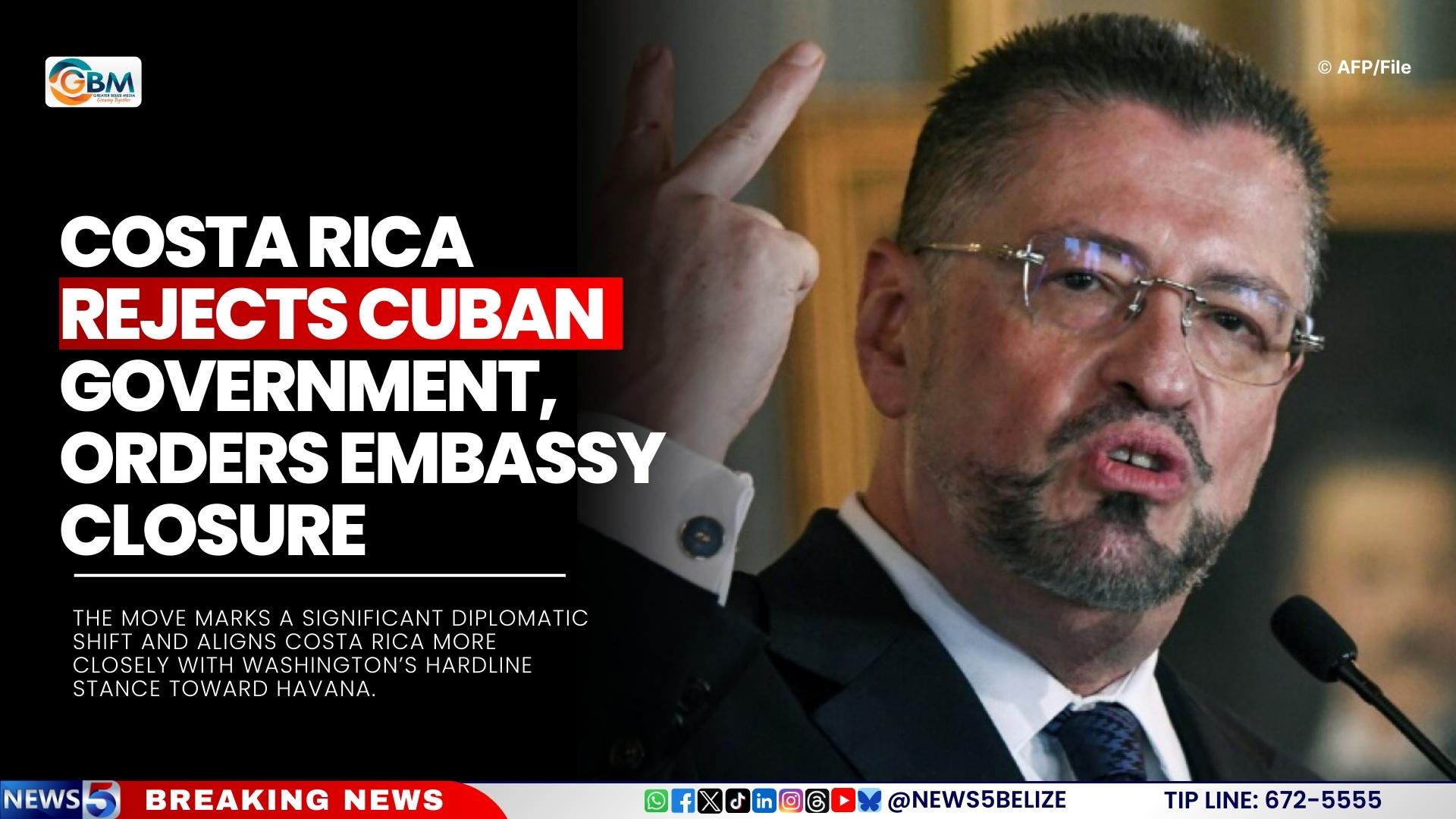
In a dramatic foreign policy reversal, Costa Rican President Rodrigo Chaves declared on March 18, 2026 that his government would cease recognizing Cuba’s communist regime and immediately close the Cuban embassy in San José. The announcement came during a public event attended by the U.S. ambassador, signaling a clear alignment with Washington’s hardline approach toward Havana.
President Chaves justified the decision by citing what he described as systemic ‘mistreatment, repression, and undignified conditions’ endured by the Cuban people. This diplomatic rupture follows similar actions taken by Ecuador earlier this month, which expelled Cuban Ambassador Basilio Gutierrez and declared diplomatic staff persona non grata.
The move occurs against the backdrop of intensified U.S. pressure on Cuba under the Trump administration. Recent weeks have seen widespread blackouts and fuel shortages across the island nation, affecting critical services from healthcare to municipal waste collection. Some Cuban residents have resorted to alternative energy sources, including solar panels, to cope with the deteriorating infrastructure.
The diplomatic shift has sparked regional discussions about foreign policy alignment. While Belize’s Prime Minister John Briceño described ongoing negotiations as ‘delicate,’ Opposition Leader Tracy Panton emphasized Cuba’s historical support for Belize’s independence and healthcare system, warning that rural clinics depend heavily on Cuban medical personnel.