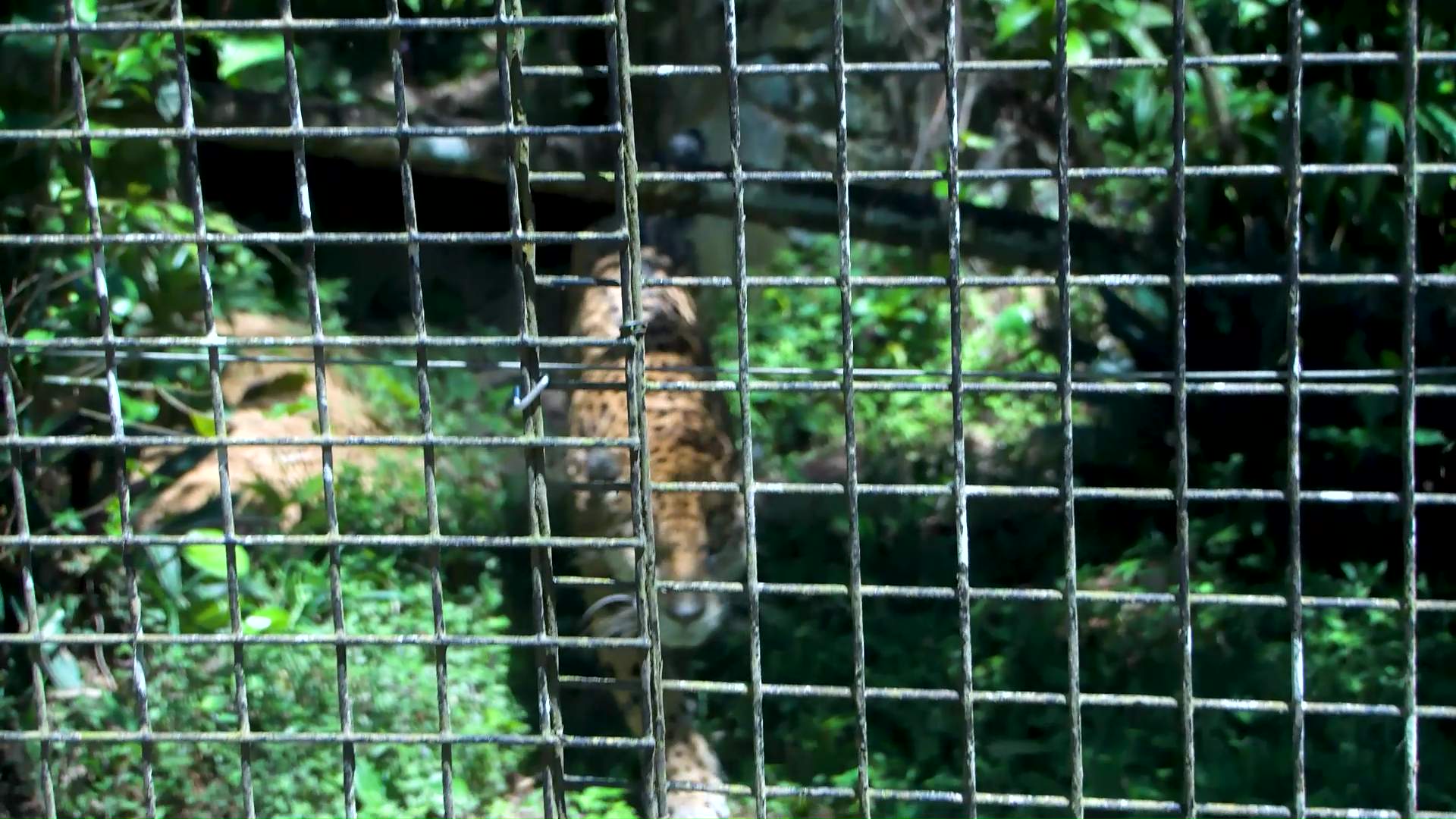
A critical breakdown in Belize’s wildlife management system is placing both communities and endangered jaguars at increasing risk. The recent recapture of Anri, a conflict jaguar in Lemonal village, has exposed dangerous gaps in official response protocols after the Belize Zoo suspended its two-decade-old Human-Jaguar Conflict program.
The absence of coordinated authority leaves rural families vulnerable to livestock predation while conservationists warn of escalating jaguar killings. Residents report confusion over emergency contacts when big cats approach human settlements, creating potentially dangerous standoffs.
Historical context reveals the severity of the situation: before the zoo’s intervention program began in the early 2000s, Belizeans killed approximately fifty jaguars annually. The program successfully rehabilitated over thirty conflict jaguars through specialized facilities including behavior modification enclosures and a fully equipped animal clinic.
Notable success stories include Edgar Hill, an eighteen-year-old jaguar relocated from southern Belize in 2013 after preying on pets near homes. Despite losing an eye to glaucoma, he now serves as an educational ambassador. Similarly, Ben—another eighteen-year-old jaguar—was completely rehabilitated after arriving with gunshot wounds and mobility issues.
The current impasse stems from administrative complications. The Forest Department maintains a memorandum of understanding with Corozal Sustainable Future Initiatives for jaguar capture, but has not renewed its agreement with the Belize Zoo despite their proven expertise.
Acting Chief Forest Officer John Pinelo acknowledges the challenges: “We cannot think what the animal will do. It is not an exact science and that is why we keep adjusting.” Meanwhile, Belize Zoo Managing Director Dr. Celso Poot emphasizes their significant investments in community outreach and specialized facilities currently sitting idle.
The situation represents a critical conservation crossroads for Belize’s national animal, with neither wildlife officials nor community members having clear protocols for human-jaguar coexistence.