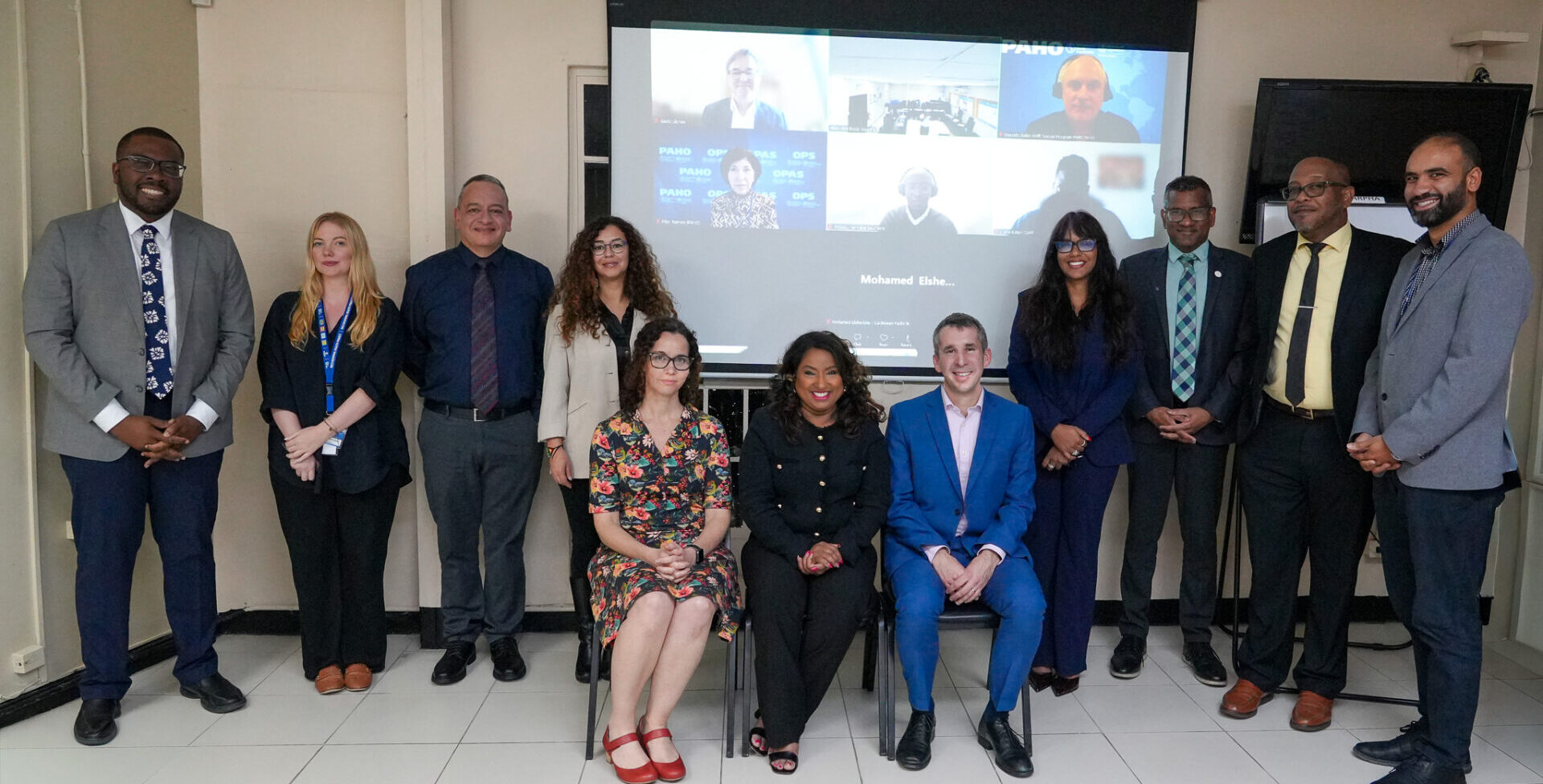
PORT OF SPAIN, Trinidad and Tobago – The Caribbean Public Health Agency (CARPHA) convened a landmark regional summit in early March 2026, mobilizing international health organizations to address the escalating crisis of antimicrobial resistance (AMR) throughout the Caribbean region. Held at CARPHA’s headquarters, this strategic gathering united key global health partners to coordinate a reinforced defense against one of modern medicine’s most pressing challenges.
The high-level meeting, orchestrated by the UK Department of Health and Social Care with financial backing from the Fleming Fund, served as a critical juncture for evaluating current progress and aligning future strategies. Participants included senior representatives from the UK Health Security Agency, the International Centre for Antimicrobial Resistance Solutions, and the Pan American Health Organization/WHO, creating a multidisciplinary coalition against AMR.
CARPHA’s Executive Director Dr. Lisa Indar underscored the gravity of the situation, stating: ‘Antimicrobial resistance presents a severe and escalating danger to Caribbean health security. Our collaborative partnerships are essential for building regional capabilities to detect, monitor, and counter AMR through coordinated, sustainable approaches.’
The technical discussions focused on four pivotal areas: enhancing regional laboratory networks, advancing integrated AMR surveillance systems, developing healthcare workforce competencies, and identifying opportunities for combined technical and financial assistance to member states. These conversations addressed specific regional vulnerabilities including limited laboratory infrastructure, professional staffing shortages, and the transnational spread of drug-resistant infections.
Looking forward, CARPHA and its partners announced plans to expand regional initiatives through broader laboratory services, improved data exchange protocols, and implementation of the One Health framework that interconnected human, animal, and environmental health sectors. The conclusions from this summit will directly influence future investments under the Fleming Fund and other global health security programs, ensuring sustained advancement toward regional resilience against antimicrobial resistance.