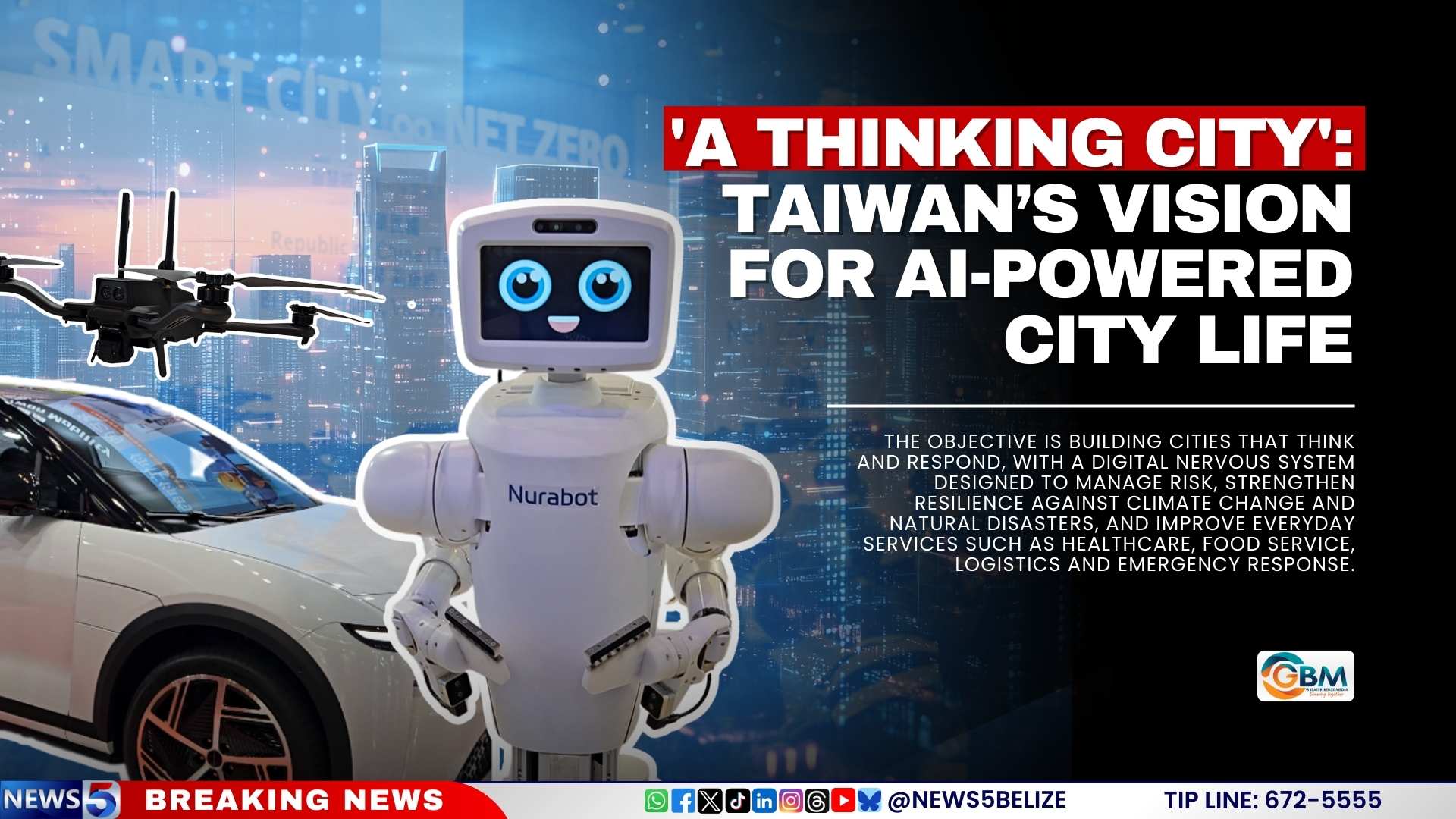
Taipei has become the global epicenter for urban innovation as the 2026 Smart City Summit & Expo (SCSE) showcases groundbreaking artificial intelligence systems transforming urban management. The event, attracting representatives from 174 cities across 53 nations, demonstrates how AI is evolving from supportive technology to the central nervous system of modern municipalities.
At the heart of the exposition stands the AI City Pavilion, featuring the world’s first integrated ‘Sovereign AI’ architecture developed by Taiwanese tech leaders ASUS and Foxconn. This five-layer digital infrastructure creates autonomous urban intelligence capable of processing city-specific data without international transmission. The system represents a paradigm shift toward municipalities that actively think, respond, and adapt to challenges in real-time.
Parallel to the AI focus, the Net Zero City Expo highlights mandatory climate initiatives now being implemented across Taiwan’s transport, energy, and urban planning sectors. The integration of digital twins, 5G networks, and real-time environmental monitoring demonstrates how cities can simultaneously advance technological capability while pursuing sustainability goals.
The summit emphasizes practical deployment over theoretical concepts, showcasing operational robotics including quadruped mechanical hounds and gliding drones designed for disaster response. These systems perform atmospheric monitoring and chemical detection at emergency sites, while firefighting robots assess dangerous conditions before human intervention.
Transportation innovation moves beyond electrification to intelligent mobility, with AI-optimized bus routes and predictive algorithms serving even rural areas. For disaster-prone regions, the technology offers transformative potential through AI-powered drones that map catastrophe zones and predict flood risks within seconds.
International delegations, including representatives from Belize, are exploring how these technologies might address their unique urban challenges. Belmopan Mayor Pablo Cawich acknowledged both the promise and implementation hurdles, noting that while resistance to change exists, the potential benefits justify pursuing smart city adaptations.
The exposition continues through the week, demonstrating how AI and sustainability initiatives can collaboratively create more resilient, efficient, and responsive urban environments worldwide.