BELMOPAN, BELIZE – March 16, 2026 – Belize’s recently unveiled national budget for fiscal year 2026/2027 faces potential revisions as geopolitical tensions create economic instability. Prime Minister John Briceño’s $1.9 billion spending plan, presented just last week, now confronts unforeseen challenges stemming from the escalating US/Israel military engagement with Iran.
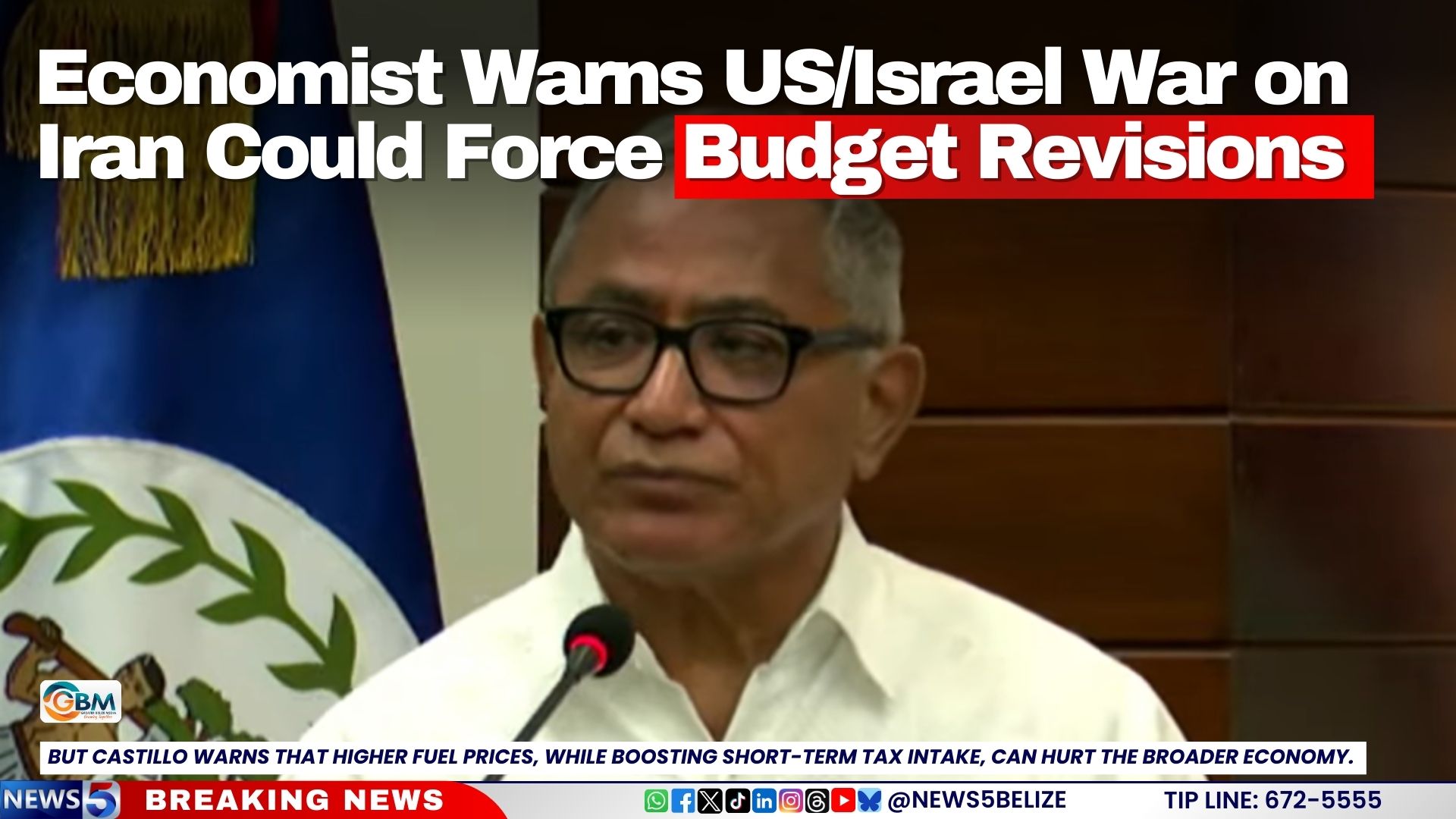
Prominent economist Dr. Phillip Castillo issued a stark warning that the conflict necessitates immediate financial reassessment. “Any projected figure mentioned by the Prime Minister has to be revised in light of the Iran war,” Castillo stated in an exclusive interview with News 5.
The crisis centers on rapidly escalating fuel prices, which have already triggered increases at gasoline pumps nationwide. This creates a paradoxical situation for Belizean policymakers, as fuel taxes represent one of the government’s most significant revenue streams. While higher prices temporarily boost tax collections, they simultaneously threaten broader economic stability.
Prime Minister Briceño previously emphasized the government’s dependency on tax revenue to fund public services. “There is so much that we want to do and the only way we can provide goods and services to our people is by collecting taxes,” he noted, referencing recently expanded free education programs in government high schools as an example of increased public expenditure.
However, Castillo cautions that the short-term tax benefits mask deeper economic vulnerabilities. “Fuel is by far one of the largest revenue sources to any government in Belize,” he explained. “When fuel prices go up, governments benefit because tax intake increases. But as those prices work their way through the economy, the broader macroeconomy is impacted.”
Economists warn that Belize’s import-dependent economy remains particularly susceptible to global energy market fluctuations. The ongoing conflict threatens to trigger ripple effects across multiple sectors including GDP growth, inflation rates, employment figures, and trade balances. With no resolution to international tensions in sight, financial experts urge proactive budget adjustments to address an increasingly volatile global economic landscape.