Trinidad and Tobago’s parliamentary session descended into chaos yesterday as Prime Minister Kamla Persad-Bissessar and Opposition MPs exchanged explosive allegations of connections to international drug cartels. The heated exchange occurred during the Prime Minister’s address regarding her recent participation in President Donald Trump’s Shield of the Americas summit in Florida.
Prime Minister Persad-Bissessar launched a scathing attack against the former People’s National Movement (PNM) administration, directly accusing them of exacerbating the nation’s crime epidemic through alleged ties to narcotics and weapons trafficking networks. In a dramatic allegation, she stated that PNM’s headquarters, Balisier House in Port of Spain, was constructed using drug proceeds, describing the building as ‘a gravestone to drug money, paedophilia and theft.’
The Opposition responded with vehement denials and counter-accusations. Opposition MP Colm Imbert questioned whether the Prime Minister was aware that two United National Congress (UNC) operatives had allegedly diverted funds from the Piarco International Airport construction project to Colombian drug cartels, a case that previously attracted U.S. extradition requests.
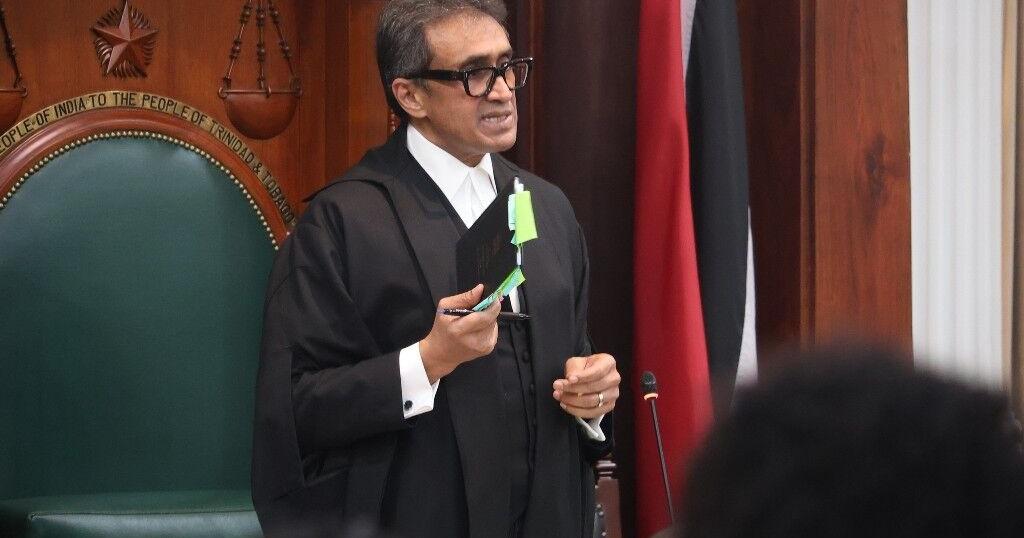
The parliamentary decorum deteriorated as Government MPs expressed support through loud desk-thumping while Opposition members repeatedly invoked Standing Order 48(4) against using offensive language about fellow members. House Speaker Jagdeo Singh intervened multiple times, requesting neutral language from the Prime Minister, who maintained she had not specifically named any individuals.
Prime Minister Persad-Bissessar presented stark crime statistics from the previous administration’s tenure, reporting 124,062 recorded crimes between 2015-2025, including over 5,000 murders, 9,000 sexual assaults, and 11,000 robberies. She accused PNM leadership of enriching themselves while their constituencies suffered from high crime rates, unemployment, and poor infrastructure.
The Prime Minister defended her government’s participation in the Americas Counter Cartel Coalition as essential to combating transnational crime networks, suggesting that expanded American anti-crime presence in the region had made Opposition members apprehensive about potential exposure of their alleged connections.