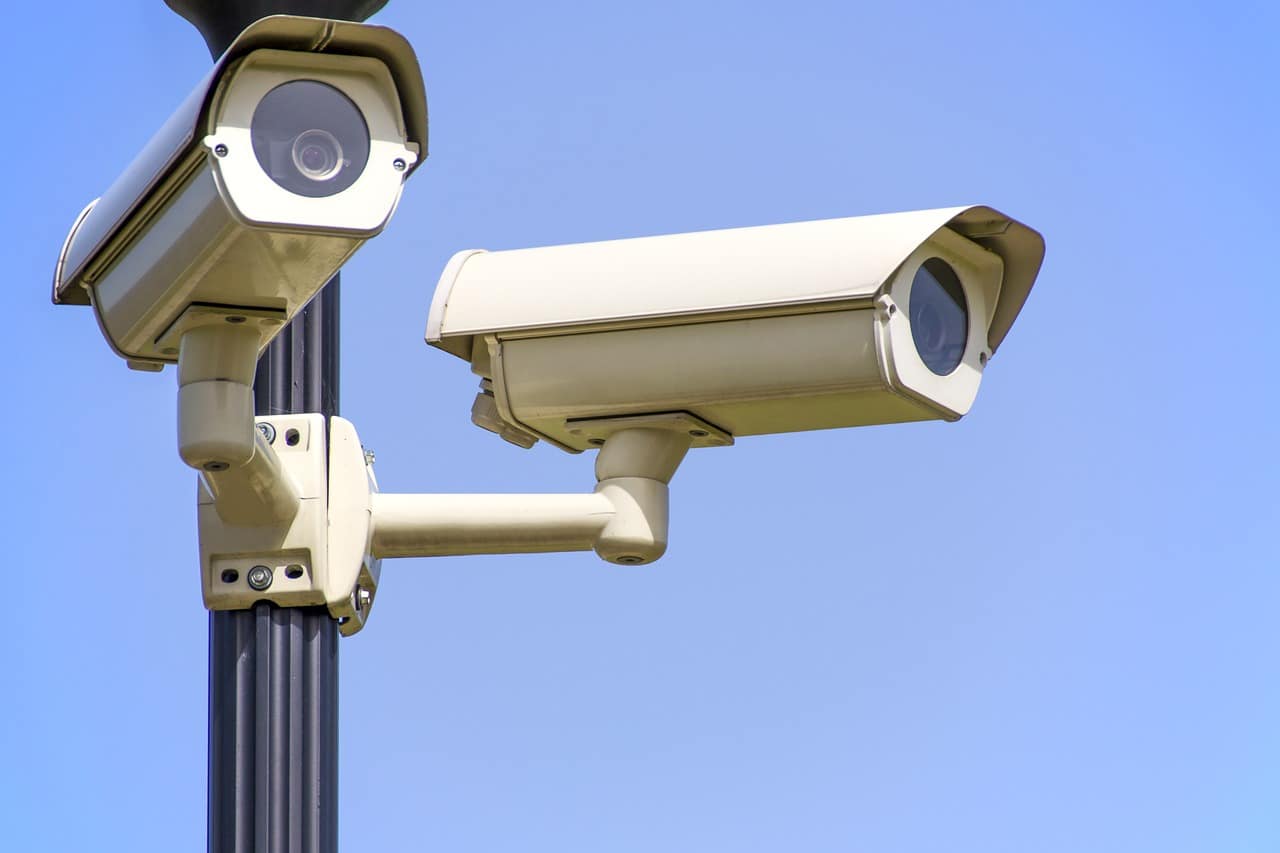
In a landmark decision aimed at bolstering national security infrastructure, the national cabinet has formally ratified the implementation of a comprehensive island-wide closed-circuit television (CCTV) surveillance framework. The approved blueprint mandates the installation of sophisticated monitoring apparatus across 43 strategically identified locations, marking the most significant expansion of public area surveillance in the nation’s recent history.
Government officials clarified that the selection of these specific sites followed rigorous threat assessment analyses conducted in collaboration with law enforcement agencies and security experts. The chosen locations represent critical junctures and public spaces where enhanced monitoring capabilities are deemed essential for crime prevention, emergency response coordination, and traffic management.
The advanced surveillance technology will incorporate high-definition cameras with night vision capabilities, automated license plate recognition systems, and real-time data transmission to centralized security command centers. The infrastructure will be integrated with existing emergency response systems, creating a unified network for public safety operations.
Justice Minister Rebecca Shaw emphasized the balance between security and privacy concerns during the parliamentary address: ‘This initiative represents our commitment to creating safer communities through technological advancement while implementing stringent protocols to prevent misuse. All surveillance operations will comply with our updated data protection legislation and undergo regular independent audits.’
The project timeline anticipates complete operational status within 18 months, with phased implementation beginning in urban centers before expanding to coastal regions. The national budget has allocated substantial resources for both installation and ongoing maintenance, including specialized training for personnel who will monitor and analyze the surveillance feeds.
Civil liberties organizations have expressed cautious scrutiny, with several groups calling for transparent oversight mechanisms. In response, the government has established a multi-stakeholder review committee comprising privacy advocates, technical experts, and community representatives to monitor compliance with operational guidelines.