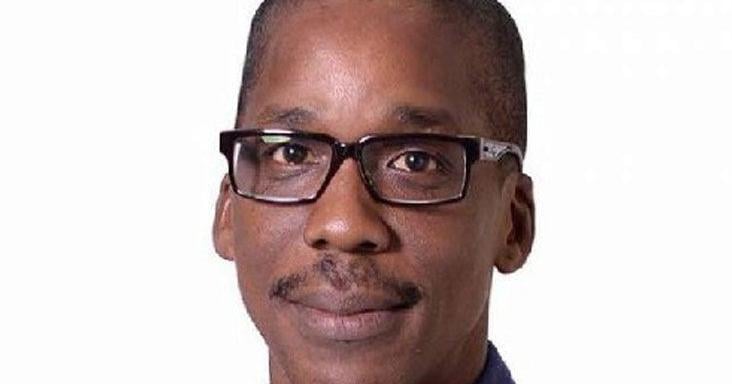
International relations experts are raising substantive questions about sovereignty and foreign policy alignment as Trinidad and Tobago joins the U.S.-led Shield of the Americas initiative against drug trafficking. The agreement, formally proclaimed by President Donald Trump on March 7 during a summit at Trump National Doral Miami, establishes enhanced military and law enforcement coordination among participant nations targeting transnational criminal networks specializing in narcotics transportation.
Dr. Anthony Gonzales, a prominent international relations analyst, confirmed to local media that the arrangement promises technological equipment, advanced training, and operational support to strengthen Trinidad and Tobago’s capacity to monitor and intercept drug shipments. He acknowledged the nation’s critical position along Caribbean drug transit routes, stating, “We do have a cartel problem and must accept that drugs transit through this country en route to global markets.”
However, Dr. Gonzales emphasized significant uncertainties regarding the initiative’s operational parameters and potential sovereignty implications. “We’ve yet to see the exact parameters of the shield,” he noted, suggesting possible increased U.S. military presence within Trinidad and Tobago’s territorial waters. The analyst further highlighted geopolitical complications, particularly regarding the nation’s existing economic relationships with China. “The Americans are trying to limit Chinese influence in critical infrastructure and ports,” Gonzales observed, suggesting participation might pressure Trinidad and Tobago to reassess its Chinese trade agreements.
Regional political analyst Peter Wickham characterized the initiative as primarily associated with Trump rather than established international frameworks, noting the absence of clear structural details makes substantive evaluation challenging. Both analysts noted that major drug transit nations like Mexico and Colombia have maintained bilateral arrangements with the U.S. rather than joining the coalition, suggesting alternative approaches to security cooperation.
The long-term implications remain speculative, particularly given the unpredictable nature of Trump’s international policies. As Wickham concluded, “I don’t think this is the end of anything. Frankly, I believe this, too, shall pass,” indicating skepticism about the initiative’s enduring impact on regional security architecture.