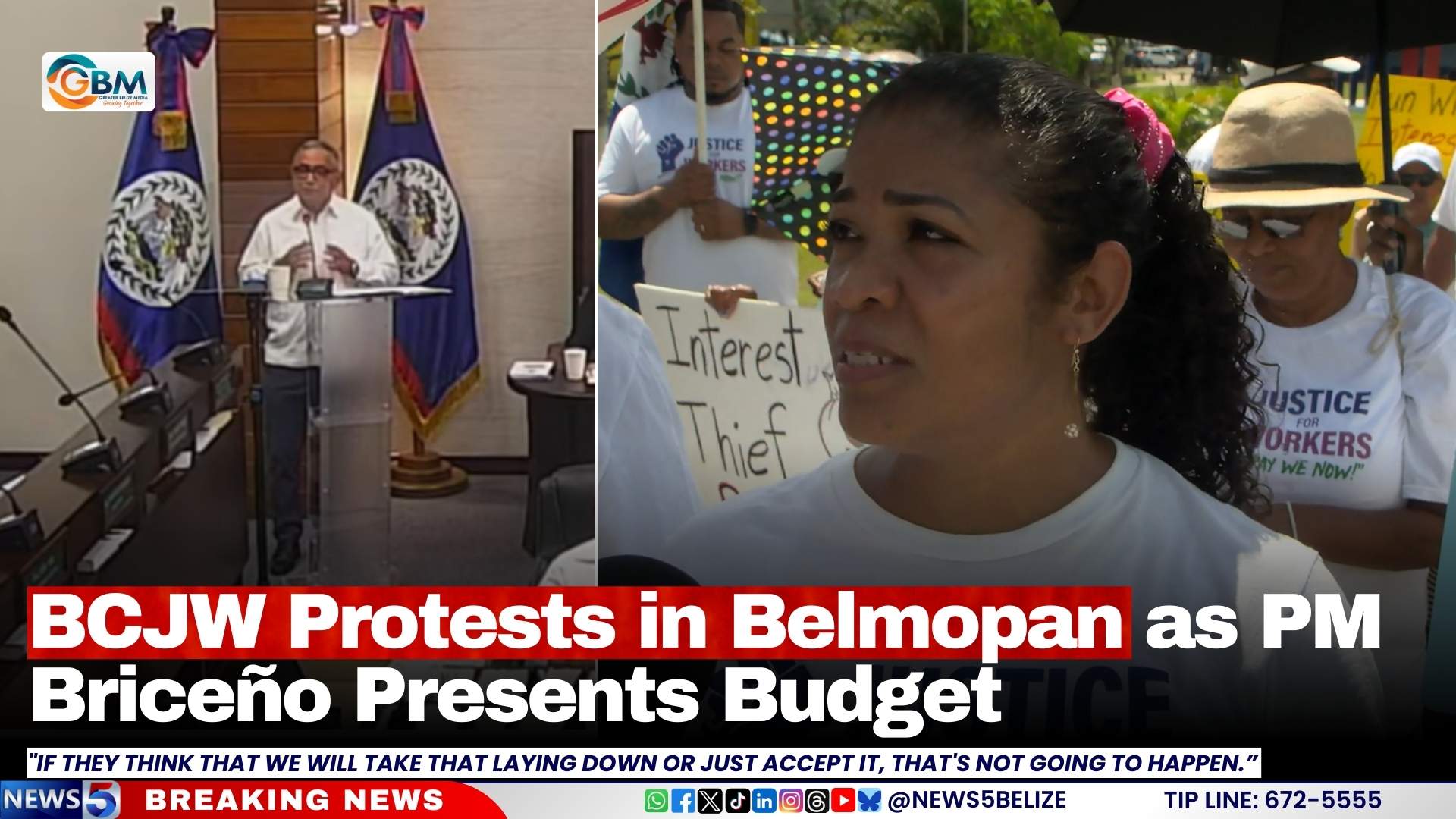
Former employees of Belize Telemedia Limited (BTL) mobilized in the capital city of Belmopan on March 10, 2026, staging a coordinated demonstration during Prime Minister John Briceño’s presentation of the national budget. The protest highlighted an ongoing severance compensation dispute between the telecommunications company and its retired workforce.
The Belize Communications Workers’ Justice group (BCWJ), representing the former employees, asserts that BTL has terminated negotiation efforts and is offering inadequate severance packages. The company’s current proposal includes 6% interest payments exclusively dating from November 5th, a settlement terms that protesters vehemently reject.
Michael Augustus, a demonstration organizer, emphasized the temporal dimension of the conflict: “They have retained our funds for over thirty years in certain instances, and for others more than a decade.” The protesters criticized both BTL management and the board of directors, demanding parliamentary intervention to secure legally mandated compensation.
Emily Turner, another organizational leader, articulated the collective sentiment: “BTL is owned by the citizens of Belize… We constitute part of that ownership. We are the individuals who constructed this nation.” She further emphasized their determination: “If they anticipate our passive acceptance of this proposal, that expectation is profoundly mistaken.”
The protest featured innovative tactics, with 310 former employees—including international residents—sending coordinated text messages to area representatives during the parliamentary budget session. Turner indicated these communications would likely multiply throughout the proceedings.
Despite receiving responses from certain elected officials, the group reports their concerns are being redirected back to the BTL board, raising questions about governance accountability. The workers demand full 6% interest payments from their actual dates of employment cessation, citing judicial precedents that they believe substantiate their claim.