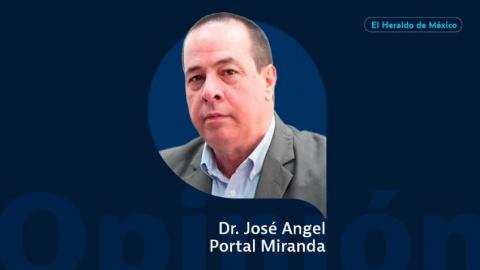
In a stark condemnation of United States foreign policy, Cuba’s Minister of Public Health Dr. José Angel Portal Miranda has detailed how escalating economic sanctions have evolved into what he characterizes as a systematic ‘energy suffocation’ campaign against the island nation. The minister asserts that what began as a six-decade economic blockade has now transformed into a qualitatively more aggressive phase designed to cripple basic human security.
The policy manifestations include Cuba’s controversial designation as a state sponsor of terrorism, combined with targeted interference in fuel procurement through ship interceptions, contract persecutions, and sanction threats against shipping companies. These measures, according to Minister Miranda, have created a multi-layered siege surgically engineered to provoke shortages that reverse social development and degrade quality of life for Cuban citizens.
Nowhere are these consequences more evident than in Cuba’s healthcare system, where energy instability directly threatens medical outcomes. Current statistics reveal 96,387 patients awaiting surgery—including 11,193 children—with numbers climbing as non-urgent procedures are deferred to prioritize life-saving operations. The maternal and child care program struggles to provide essential ultrasounds for 32,000 pregnant women, while fuel shortages have delayed vaccinations for over 30,000 children despite vaccine availability.
Critical treatments face similar challenges: 16,000 radiotherapy patients and 2,888 hemodialysis recipients require energy stability that remains increasingly difficult to guarantee. Rather than collapsing under these pressures, however, Cuba’s healthcare system has responded with strategic reorganization emphasizing resilience and optimization. Primary care capabilities have been strengthened through enhanced telemedicine services and reinforced community health programs.
Minister Miranda credits this adaptability to the extraordinary commitment of medical professionals who persevere despite sharing the same electricity shortages and supply constraints as the population they serve. He particularly highlighted the ingenuity of neonatology specialists in provinces where 85% live outside their work municipalities, yet still ensure newborn care continues despite transportation crises.
The minister expressed gratitude for international solidarity, specifically acknowledging Mexico’s support, while emphasizing that his appeal to the global community is fundamentally humanitarian rather than ideological. He maintains that public health constitutes a fundamental human right that should remain immune from political coercion and energy weaponization.
As Cuba continues implementing protective measures for its vulnerable populations, the government urges international recognition of what it describes as a ‘criminal siege’ that ultimately threatens human lives rather than political structures.