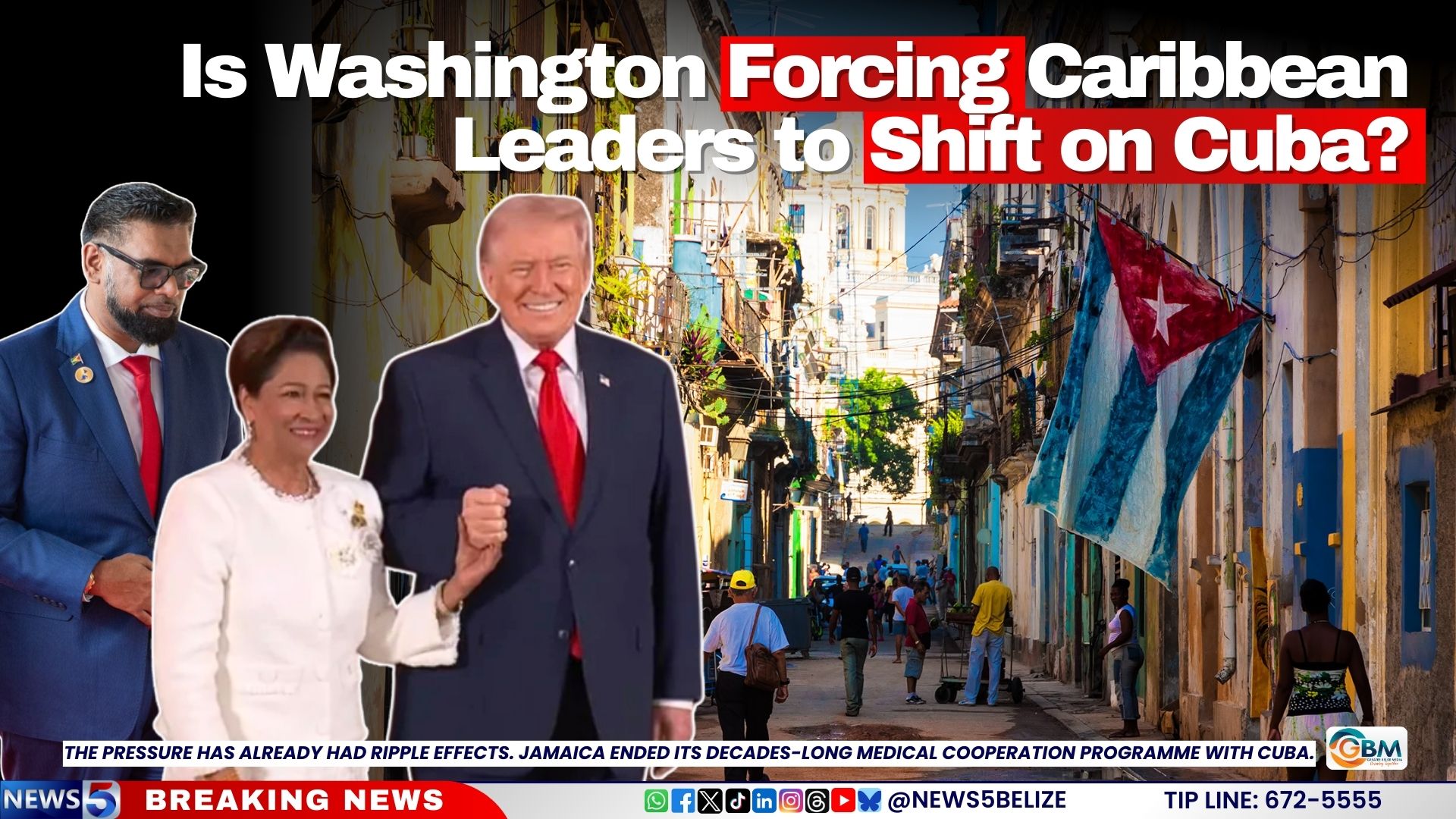
A significant geopolitical shift is underway in the Caribbean region as United States diplomatic pressure appears to be altering longstanding relationships with Cuba. The transformation became evident when Guyanese President Irfaan Ali utilized a Fox News interview following the Shield of the Americas Summit in Florida to advocate for political changes within the communist-led island nation.
President Ali explicitly stated that regional leaders concur the current situation cannot persist unchanged, emphasizing that any transitional process must prioritize democracy and freedom for Cuban citizens. This declaration positions Guyana among Caribbean nations adopting increasingly firm positions regarding Havana’s governance structure.
The evolving dynamic occurs amid intensified Washington efforts to discourage international cooperation with Cuba’s controversial medical brigade programs. The Trump administration maintains its characterization of these initiatives as forms of forced labor while threatening visa sanctions against participating nations. These measures have already produced tangible consequences, with Jamaica terminating its decades-old medical collaboration agreement after failing to negotiate updated terms.
Cuban officials have denounced what they perceive as regional intimidation tactics, specifically accusing the Trump administration of bullying tactics. Concurrently, Trinidad and Tobago’s Prime Minister Kamla Persad-Bissessar has faced domestic criticism after her government declined to support Cuba’s communist leadership during CARICOM’s recent 50th Heads of States assembly in February. This collective repositioning suggests a notable recalibration of Caribbean diplomatic alliances under sustained American influence.