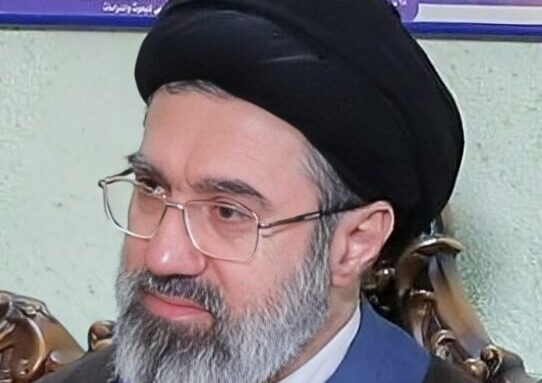
Iran’s Assembly of Experts has formally appointed Mojtaba Khamenei as the nation’s new Supreme Leader, following the death of his father, Ayatollah Ali Khamenei, during combined U.S.-Israeli military strikes on Tehran on February 28. The decisive appointment solidifies hardline control over Iran’s political and security apparatus during escalating Middle Eastern tensions.
The 88-member clerical body convened under extraordinary security measures to elect Mojtaba Khamenei, who had long been considered the foremost candidate. State television announced his designation as the “third Leader of the sacred system of the Islamic Republic” shortly after midnight local time. Security chief Ali Larijani confirmed the transition of power.
Mojtaba Khamenei assumes ultimate authority over all state matters, with Iran’s armed forces and the Islamic Revolutionary Guard Corps promptly pledging allegiance to the new leader. The IRGC issued statements affirming absolute readiness to execute his directives.
The succession occurs amid intensified hostilities between Iran and Western powers. U.S. President Donald Trump previously asserted that Washington should influence the selection process, warning that any leader lacking American approval “won’t last long.” Israel had similarly threatened preemptive actions against whoever assumed leadership.
The conflict has exacted significant human costs, with the U.S. military reporting a seventh service member fatality from Iranian retaliatory strikes. Meanwhile, Tehran residents describe environmental catastrophes including thick black smoke and acidic rainfall following attacks on oil infrastructure, creating potentially hazardous air quality.
Global energy markets have responded dramatically to the instability. Oil prices surged approximately 8% in a single trading session, reaching $119.50 per barrel—the largest dollar-value increase recorded. This approaches historical peaks last witnessed in 2008, when prices exceeded $147 per barrel.
President Trump declined to directly address the leadership appointment when questioned, stating only that conflict resolution would require mutual agreement with Israeli Prime Minister Benjamin Netanyahu.