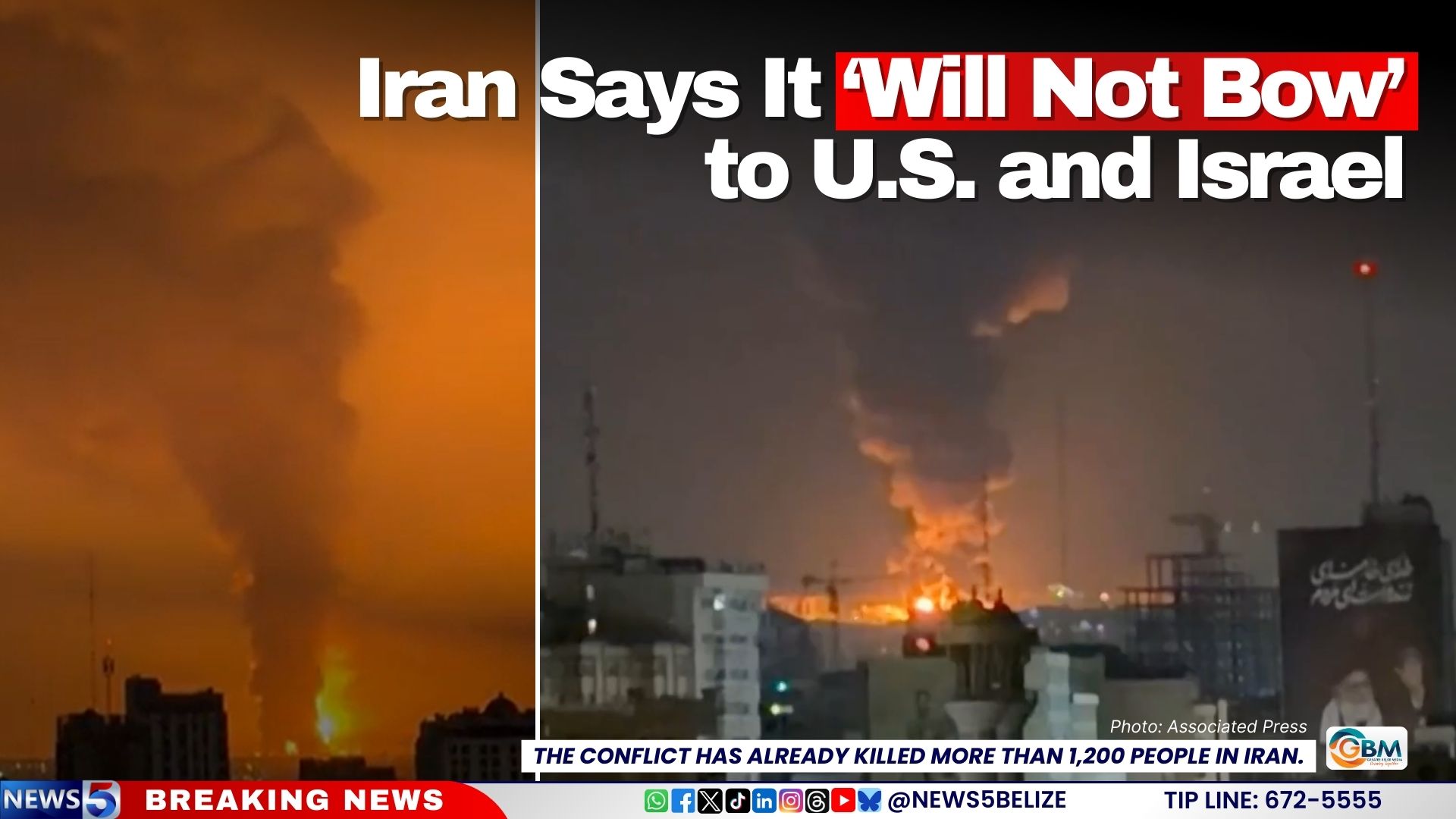
Tehran has issued a firm declaration of resistance against Western powers as military confrontations intensify across the Middle East. Iranian President Masoud Pezeshkian asserted that his nation “will not bow easily to bullying, oppression or aggression” in response to mounting pressure from the United States and Israel.
The geopolitical crisis reached new heights as Israeli strikes targeted civilian infrastructure in Iran’s capital for the first time, striking an oil storage facility in Tehran. CNN footage documented multiple storage tanks engulfed in flames at the depot, marking a significant escalation in targeting strategy beyond military installations.
Simultaneously, Iran launched retaliatory drone and missile attacks against several Gulf states, including Bahrain, Kuwait, and the United Arab Emirates. Bahraini authorities confirmed damage to a critical desalination plant that provides drinking water to millions of residents in the arid region.
The human cost continues to mount with over 1,200 fatalities reported in Iran, more than 300 in Lebanon, and additional casualties in Israel. Global markets are reacting to the instability, with oil prices surging amid growing concerns about the security of the Strait of Hormuz—a vital maritime corridor through which approximately 20-30% of global oil consumption passes daily.
U.S. President Donald Trump indicated the military campaign would persist “for a little while” as the conflict shows no signs of immediate de-escalation. The widening hostilities threaten to destabilize energy markets and regional security frameworks beyond the immediate conflict zones.