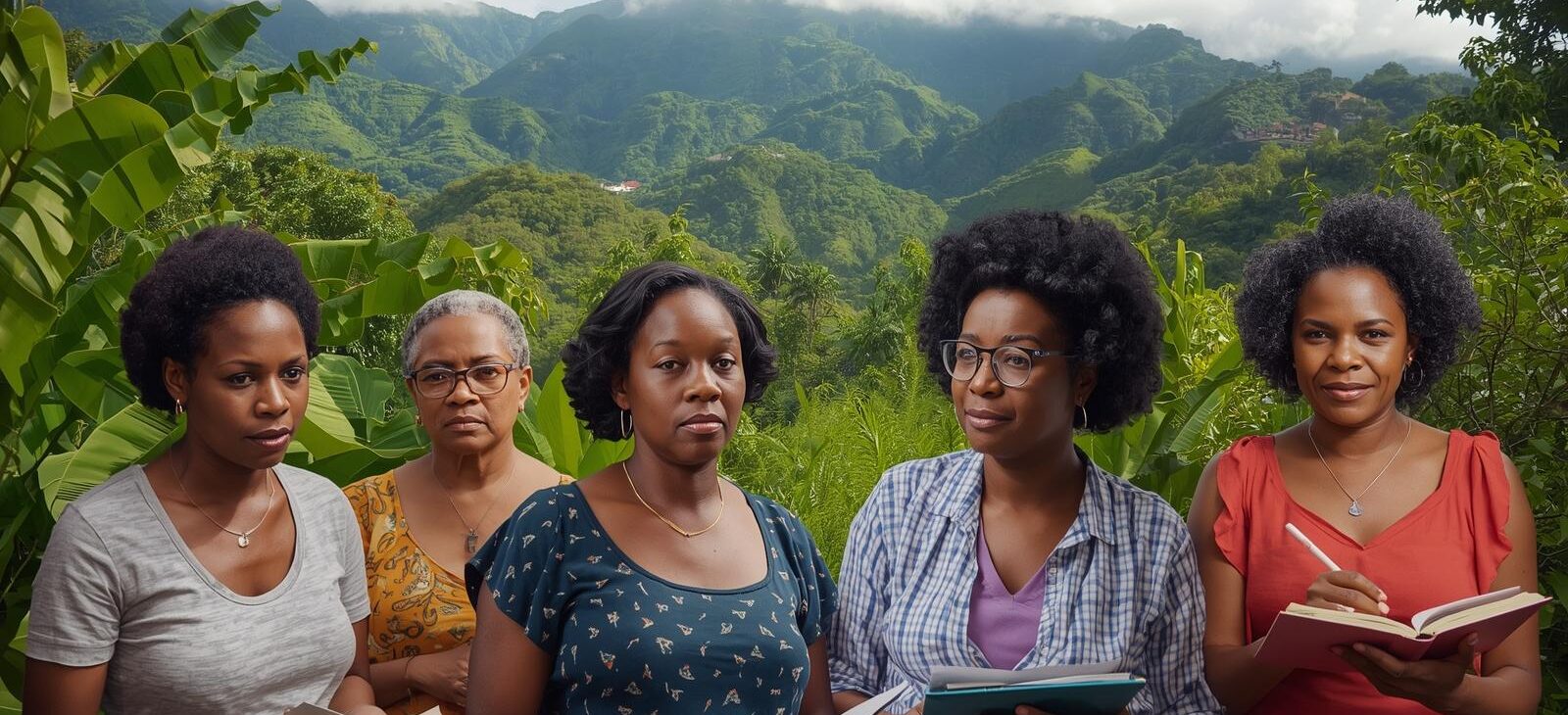
On March 8th, as the global community commemorates International Women’s Day, the literary landscape of Dominica stands as a testament to the profound contributions of women in shaping cultural narratives. Beyond the conventional focus on politics and science, Dominican women authors have emerged as pivotal voices in preserving the island’s identity through diverse literary forms.
The literary heritage traces back to Phyllis Shand Allfrey, whose seminal 1953 novel ‘The Orchid House’ pioneered the portrayal of Caribbean society through feminine perspectives. Allfrey’s dual legacy as both literary innovator and political trailblazer established an enduring connection between artistic expression and civic engagement in Dominican culture.
Contemporary voices continue this tradition with remarkable vitality. Poet Celia Sorhaindo’s collection ‘Guabancex’ transforms the trauma of Hurricane Maria into profound meditations on resilience and healing. Her work exemplifies how Dominican literature confronts both natural beauty and vulnerability with equal poetic force.
The children’s literature sector reveals particularly innovative storytelling. Jamie Alleyne’s ‘Why Are Onions So Sad?’ employs whimsical anthropomorphism to explore emotional intelligence, while Petrea Honychurch Seaman’s ‘Goodnight My Sweet Island’ immerses young readers in the rhythmic cadence of Caribbean nature. Bilingual authorship finds expression through Mara Etienne-Manley’s ‘I Am Dominica / Mwen Sé Dominik’, which celebrates linguistic heritage alongside cultural pride.
Jane Ulysses Grell further enriches this tapestry by weaving oral traditions into written form, preserving the rhythmic storytelling practices intrinsic to Dominican community life. These collective efforts demonstrate literature’s role as both cultural archive and living tradition.
For a small island nation, these literary contributions transcend aesthetic value—they serve as vital reservoirs of collective memory. Through poetry, fiction, and children’s tales, Dominican women writers capture nuances of experience that statistical data cannot convey, ensuring their island’s stories resonate beyond geographic confines.
This International Women’s Day recognition underscores that cultural preservation occurs not merely through institutions but through individual dedication to narrative craft. The ongoing work of Dominican authors—from established figures to emerging voices—continues to enrich the Caribbean literary canon while inspiring future generations to carry forward this legacy of storytelling.