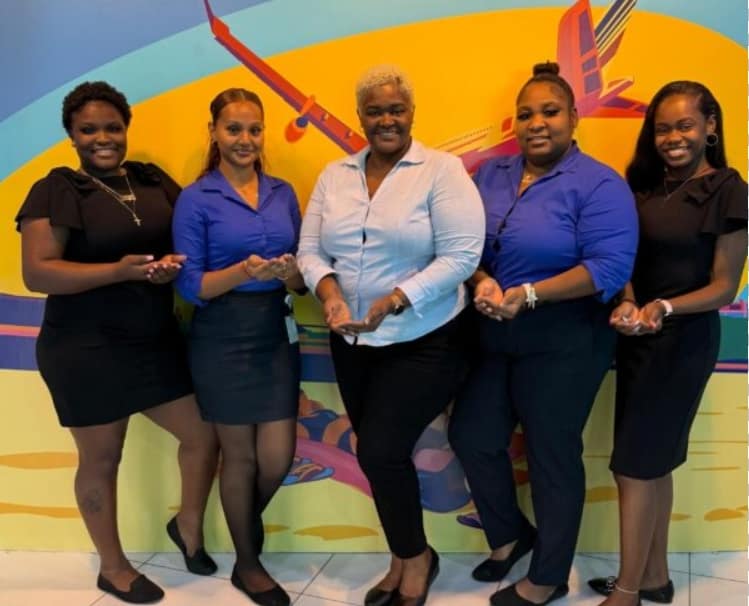
In anticipation of International Women’s Day celebrations, Liberty Caribbean has positioned digital connectivity as a fundamental catalyst for gender equality and female advancement across the region. The telecommunications conglomerate—operating Flow, Liberty Business, and BTC networks—emphasizes that strategic investments in reliable infrastructure, affordable access, and purpose-driven digital services are creating unprecedented pathways for women and girls in education, healthcare, economic participation, and civic engagement.
The company has launched a comprehensive #GiveToGain initiative featuring a documentary series profiling twelve exceptional female leaders whose achievements demonstrate the synergistic power of talent and technology. These narratives showcase tangible examples of innovation and community transformation driven by connected women.
Complementing these awareness efforts, practical support measures are underway across local markets through partnerships with women-focused organizations. Regional teams are coordinating donation drives for feminine hygiene products and essential toiletries destined for NGOs, shelters, and educational institutions, providing immediate assistance to vulnerable populations.
CEO Smidts reinforced the company’s commitment: “We are channeling our platforms, partnerships, and capital to dismantle digital barriers and implement programs that equip Caribbean women and girls with essential tools for learning, economic participation, and leadership. Our mission is to convert the #GiveToGain philosophy into measurable improvements in opportunity and inclusion.”
Groundbreaking data from Telecom Review Americas indicates a landmark achievement: the gender gap in mobile internet adoption has plummeted from 5% in 2017 to effectively zero in 2024. This milestone reflects years of concerted investment in mobile infrastructure, affordability programs, and digital literacy initiatives.
However, device ownership remains a critical hurdle. While the mobile ownership gender gap in Latin America has narrowed to approximately 1%, a 4% disparity persists in smartphone adoption—leaving nearly 80 million women without advanced connectivity devices.
Smidts elaborated on the broader implications: “In island nations where geographical isolation frequently limits opportunity, inclusive connectivity builds resilience, advances gender parity, and accelerates national development. Reliable broadband and mobile networks enable female entrepreneurship, remote education, telehealth access, and professional networking without geographical constraints.”
The company asserts that sustained investment in digital infrastructure, equipment affordability, and skill development will be imperative to ensure all women and girls can fully participate in the connected digital economy.