Belizean politics has been rocked by controversy surrounding Union Senator Glenfield Dennison, who finds himself at the center of a contentious $183,000 invoice dispute with Belize Telecommunications Limited (BTL). The emerging scandal reveals complex layers of political and legal entanglement, raising questions about ethical boundaries in public service.
The controversy originated when BTL rejected a substantial invoice from Senator Dennison for legal services provided during negotiations between the telecommunications giant and the Belize Communication Workers for Justice (BCWJ). The six-figure sum, totaling $183,000, was attributed to legal work conducted during BTL-BCWJ negotiations concerning severance payments for former employees.
What makes this situation particularly noteworthy is Senator Dennison’s dual role at the time of providing legal counsel—he was simultaneously serving as a Crown Counsel while advising the workers’ union. This overlapping of responsibilities has sparked serious questions about potential conflicts of interest and the proper separation between governmental duties and private legal practice.
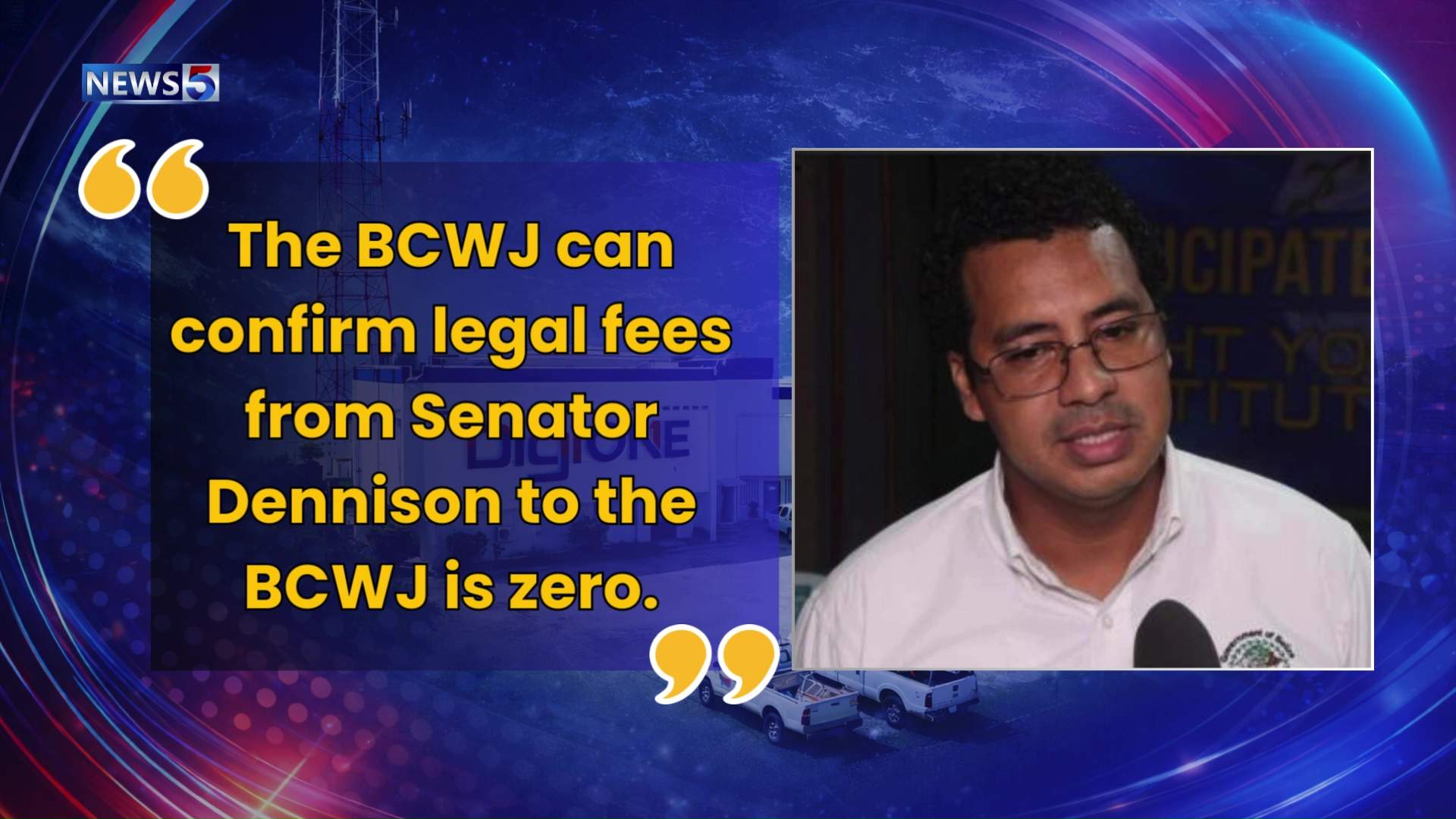
The BCWJ has vigorously defended Senator Dennison, with organizer Emily Turner asserting that the public narrative has been fundamentally misrepresented. According to Turner, Dennison made a firm commitment from the outset not to charge any former BTL worker represented through BCWJ, a promise that allegedly remains unbroken. The union claims the question of legal fees never arose internally because their attorney voluntarily supported workers without seeking compensation.
Turner revealed that the fee discussion was initiated not by the workers’ group but by BTL itself, which raised questions about the value of the workers’ legal representation. The union organizer pointedly noted the irony of BTL scrutinizing representation costs for former workers while allegedly spending approximately $20 million in legal fees pursuing litigation to the Caribbean Court of Justice.
The BCWJ emphasized the financial burden that alternative legal arrangements would have imposed on workers, disclosing that prior consultation with other attorneys yielded proposals including a $100,000 retainer plus ten percent of the total settlement, or alternatively twenty percent of the total settlement. Such arrangements would have translated into millions of dollars in legal fees being borne by workers simply to pursue what the law already provides.
The case highlights broader issues of workers’ rights and corporate accountability in Belize, with the central question emerging: if a corporation can spend tens of millions on legal defense, why does resistance persist in paying former employees their legally mandated severance with the court-approved six percent interest?