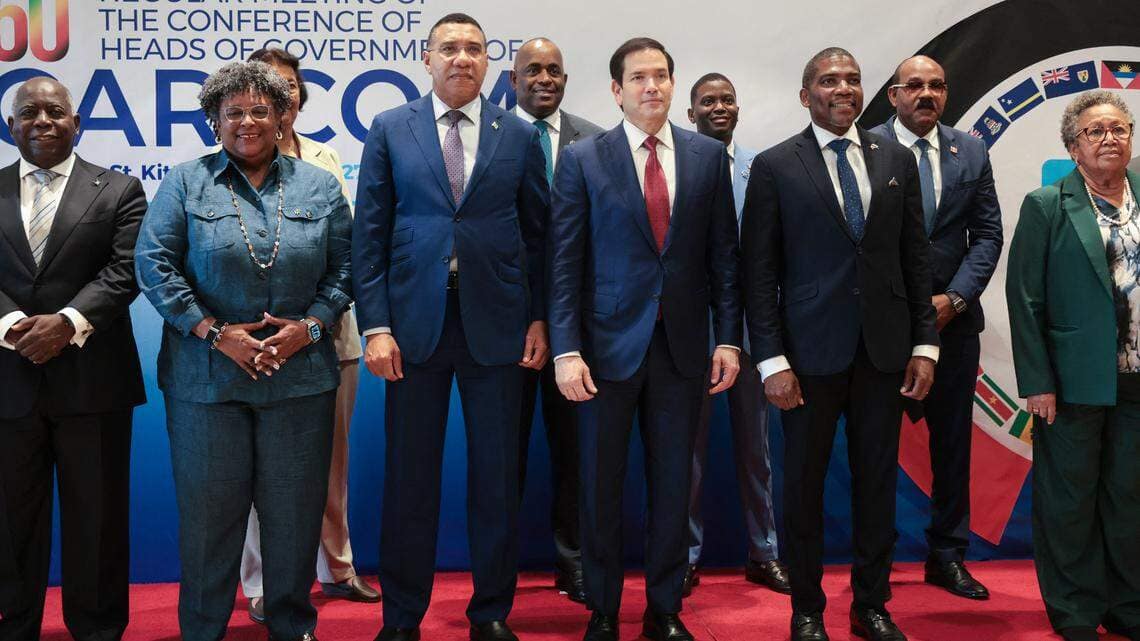
In a significant diplomatic development, senior U.S. officials affiliated with Secretary of State Marco Rubio conducted discreet meetings with Raúl Guillermo Rodríguez Castro, grandson of former Cuban leader Raúl Castro, during the CARICOM summit in St. Kitts. The unprecedented encounter signals Washington’s proactive exploration of potential economic and political reforms in Cuba.
According to sources familiar with the discussions, Rodríguez Castro—who serves as both close aide and personal bodyguard to Raúl Castro and maintains considerable influence within military-controlled conglomerate GAESA—engaged with a top Rubio adviser at a hotel adjacent to the conference venue. While it remains uncertain whether Secretary Rubio participated directly in the meeting, the dialogue represents the highest-level contact between U.S. officials and Castro family members in recent years.
The negotiations reportedly centered on a phased approach to sanctions relief, wherein the United States would gradually ease economic restrictions in exchange for incremental, verifiable reforms implemented by Havana on a monthly basis. A Caribbean diplomat involved in summit proceedings revealed that Rubio characterized the discussions as “well advanced,” though multiple sources emphasized that no formal agreement has been finalized.
Secretary Rubio, while declining to confirm specific conversation details, publicly stated that the U.S. remains prepared to engage constructively should Cuban officials demonstrate genuine openness to “dramatic reforms,” particularly those expanding private sector opportunities. The Secretary clarified that Washington’s objective isn’t immediate regime change but rather structural transformation, cautioning that without substantial reform, Cuba’s ongoing humanitarian and economic crises would inevitably intensify.
CARICOM leadership, historically supportive of Cuba, received indications that behind-the-scenes dialogue is actively progressing. Several regional representatives were reportedly advised against publicly addressing the matter during summit proceedings to preserve the delicate negotiation environment.