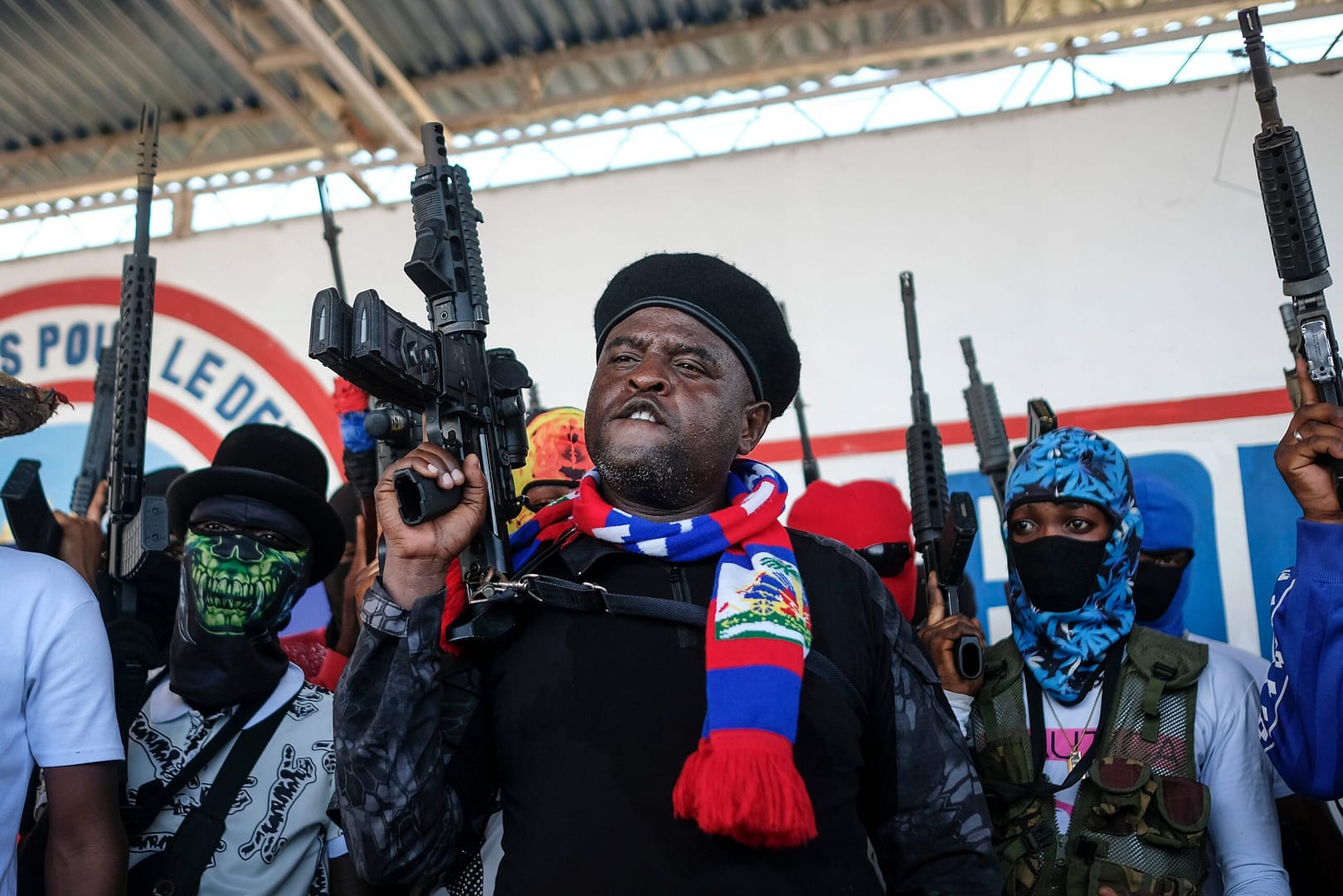
In a striking departure from conventional diplomatic approaches, Antigua and Barbuda Prime Minister Gaston Browne has advocated for direct engagement with Haiti’s gang leaders as a potential pathway to restoring stability in the crisis-ravaged nation. The proposal emerged during the CARICOM Heads of Government conference in St. Kitts and Nevis, where regional leaders convened to address Haiti’s escalating security catastrophe.
Browne articulated his position during an interview with ABS, emphasizing that while international security interventions remain necessary, they should be complemented by unconventional diplomatic outreach. “I’ve been a little unconventional too in the sense that I also felt that perhaps the gang leaders should be also engaged,” Browne stated. “I’m not saying necessary to legitimize them, but to bring them to the table.”
The Prime Minister drew upon his personal experience in Antigua and Barbuda, where he directly engaged with youth gangs despite criticism that such dialogue was inappropriate for a head of government. Defending his approach, Browne noted that many formerly marginalized individuals are now “productively engaged, some in school, some working” as a result of these efforts.
Browne’s comments come as Haiti experiences unprecedented gang dominance over significant portions of Port-au-Prince and surrounding regions, creating a humanitarian emergency that has prompted urgent regional and international security discussions. The Prime Minister welcomed emerging initiatives led by the United States and other international partners aimed at combating gang violence, while simultaneously advocating for a Haitian-led solution that incorporates both enforcement and dialogue.
The Antiguan leader’s proposal represents a nuanced approach to conflict resolution, suggesting that sustainable peace might require blending traditional security measures with inclusive negotiation strategies. This perspective challenges purist positions that reject engagement with non-state armed actors, instead advocating for pragmatic solutions that acknowledge the complex realities on the ground.