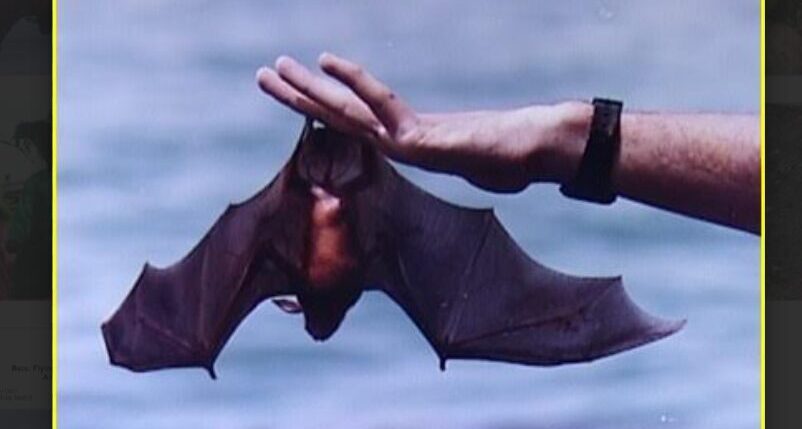
The Caribbean island of Dominica, known as the Nature Isle, harbors an extraordinary biological treasure: twelve distinct species of bats that represent the island’s only indigenous mammals. While many residents assume only one or two species exist, scientific documentation reveals a diverse chiropteran population that surpasses larger neighboring islands in biodiversity significance.
Unlike introduced species such as agouti, wild pigs, and opossums, bats have inhabited Dominica for millennia. The island’s bat community includes six insectivorous species that perform aerial acrobatics under streetlights, three frugivorous species that feed on fruits like mangoes and soursop, two nectarvorous species that pollinate night-blooming flowers, and the impressive piscivorous greater bulldog bat that uses specialized talons to catch fish.
Notably, Dominica hosts several endemic species found nowhere else on Earth. The Dominican Myotis (Noctilio leporinus mastivus) shares exclusive island status with the Sisserou parrot and other endemic wildlife. Additionally, the Antillean Tree Bat (Ardops nichollsi nichollsi) and Yellow-shouldered Bat (Sturnira lilium angeli) exist as Dominica-specific subspecies.
These flying mammals provide crucial ecosystem services. Insectivorous bats consume between 1,000-8,000 insects nightly, offering natural pest control and mosquito management. Frugivorous bats assist in seed dispersal by carrying fruits to feeding perches, while nectarvorous species contribute to plant pollination. Their guano (known locally as ‘kaka chouchòt’) serves as valuable natural fertilizer.
Bats are deeply woven into Dominica’s cultural heritage. Kalinago pottery historically featured bat designs, while traditional Carnival costumes include the ‘souswèl souwi’ bat-inspired outfits. Culinary traditions in villages like Dublanc maintain bat stew (‘chouchòt épi donmbwé’) as a Christmas delicacy, though recent bat poaching incidents have prompted forestry officials to issue conservation warnings.
The island’s geological features support numerous bat habitats, including coastal caves like Anba Chouchòt at Massacre and the remarkable Stinking Hole (Tou Santi)—a collapsed lava tube near Middleham Falls that hosts approximately 65,000 bats of three species. Local nomenclature reflects cultural connections, with Kwéyòl names like ‘souswèl souwi,’ ‘djenbo,’ and ‘wat volan’ varying by community.
Globally, bats demonstrate remarkable biological adaptations. With over 1,400 species worldwide, they represent 20% of all mammal species. They give birth upside down, produce typically single offspring called pups, and can live over 30 years. Contrary to the ‘blind as a bat’ myth, they possess excellent low-light vision alongside sophisticated echolocation capabilities.
Dominica’s bat conservation story represents a microcosm of broader biodiversity protection challenges, balancing ecological significance with cultural traditions while ensuring the survival of these unique mammalian aviators.