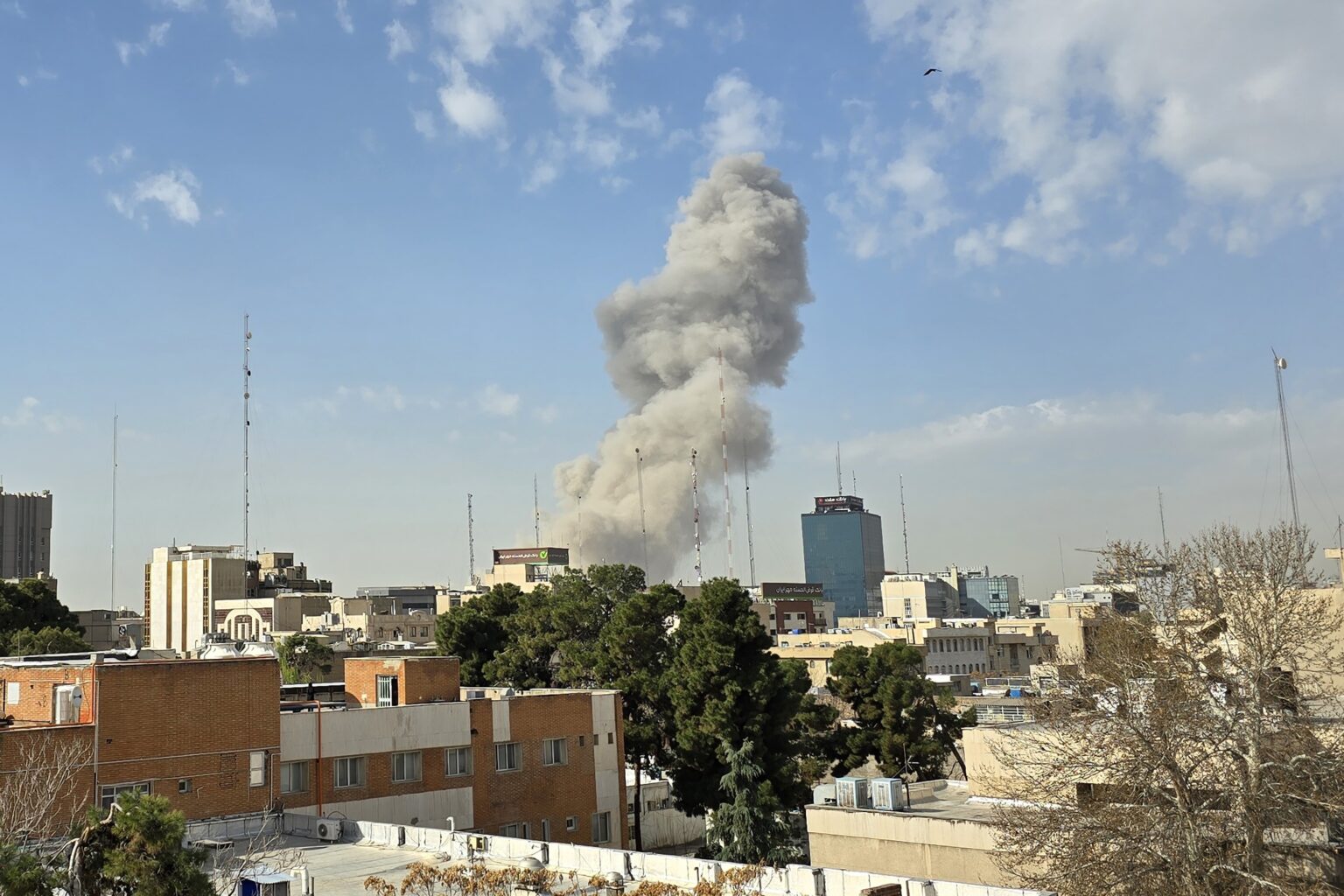
In an extraordinary constitutional confrontation, key US congressional leaders are accelerating efforts to pass a War Powers Resolution that would curtail President Donald Trump’s authority to conduct military operations against Iran without legislative approval. This development follows unconfirmed reports emerging from Saturday’s coordinated US-Israel strikes suggesting possible casualties among Iranian leadership, including Supreme Leader Ayatollah Ali Khamenei—though neither government has officially commented on these claims.
The legislative push gains urgency as Iran retaliated with widespread attacks across strategic Middle Eastern locations including Dubai, Doha, Bahrain, and Kuwait—all sites hosting American military installations or maintaining US alliances. Both congressional chambers, including the Senate where Republicans hold a narrow majority, had previously drafted similar war powers legislation well before this weekend’s escalation.
Congressional sources indicate an imminent debate scheduled for next week that will effectively serve as a referendum on Trump’s controversial pattern of unilateral military decision-making. This constitutional clash represents the most significant challenge to presidential war powers in recent years, echoing similar concerns raised after Trump’s unauthorized strikes that ousted Venezuelan leader Nicolás Maduro nearly two months ago.
The proposed resolution would legally require the administration to seek congressional authorization within 60 days for any continued military engagement against Iran, invoking the 1973 War Powers Act that has been routinely ignored by multiple administrations.