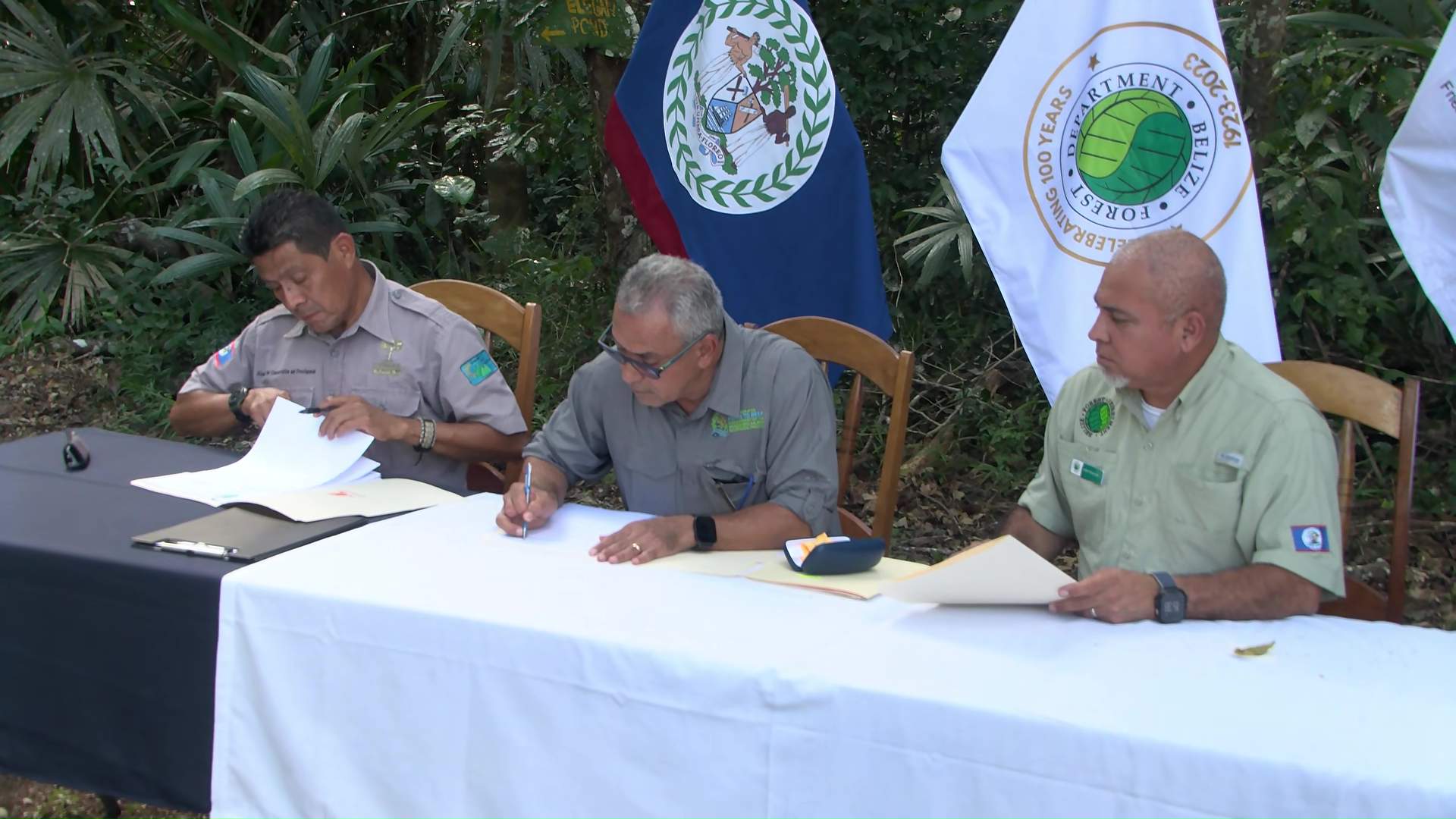
In a significant move for environmental preservation, Belize’s Forest Department and the nonprofit organization Friends for Conservation and Development (FCD) have formalized a comprehensive ten-year partnership agreement. The signing ceremony occurred on February 27, 2026, at the Las Cuevas Research Station within the ecologically critical Chiquibul Forest Reserve.
The renewed memorandum of understanding establishes a framework for sustained collaboration in scientific research, wildlife protection, and ecosystem management. Alongside the primary agreement, two supplementary operational pacts were signed addressing agricultural activities within reserve boundaries and enhanced management of a strategic outpost near Bald Hills to regulate access to protected territories.
Minister of Sustainable Development Orlando Habet emphasized the agreement’s importance in continuing a conservation partnership that originated in 1992. “This memorandum enables continued collaboration on conservation and scientific research,” Habet stated. “FCD will share valuable data collected throughout the agreement period, contributing significantly to our understanding of this unique ecosystem.”
The Chiquibul region serves as a vital sanctuary for endangered scarlet macaws, with the research station functioning as a rehabilitation center for young birds that fall from nests or face survival challenges. The facility provides care until the birds develop flight capability and self-sufficiency, followed by controlled release programs.
Beyond avian conservation, the partnership facilitates comprehensive study of the region’s diverse flora and fauna. The research station regularly hosts international scientists from European and American universities who conduct field studies and share findings with both FCD and government agencies, creating a valuable knowledge exchange network.
This long-term commitment provides conservation teams with unprecedented stability in protecting Central America’s largest forest reserve and safeguarding the vibrant scarlet macaw populations that symbolize the region’s biological richness.