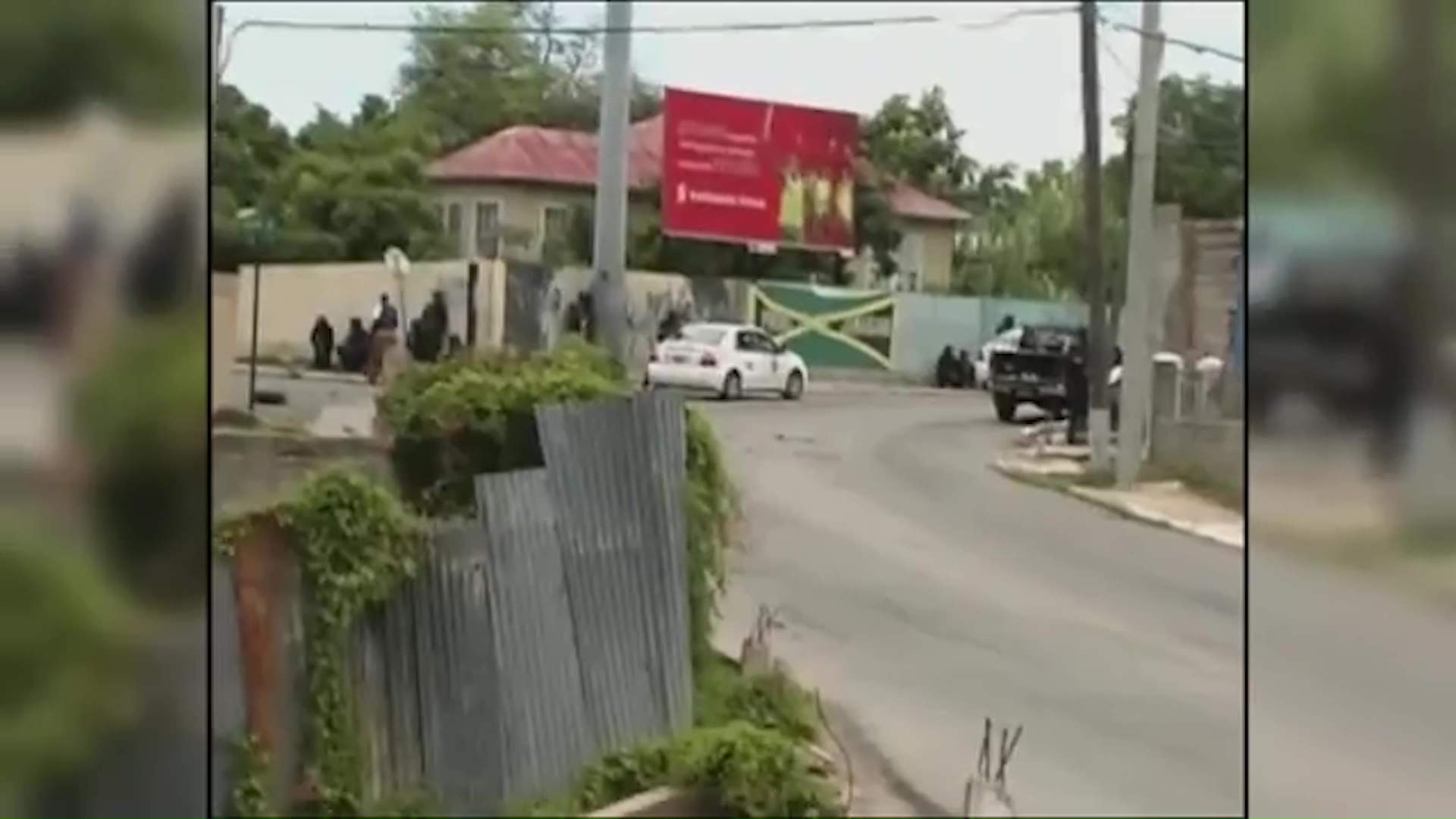
The recently concluded CARICOM meeting exposed significant fractures within the regional bloc while simultaneously fostering cooperation on critical security matters. Belize’s Prime Minister John Briceño revealed his nation’s intention to seek Jamaica’s expertise in combating escalating gang violence, following candid discussions with Jamaican leader Dr. Andrew Holness.
Prime Minister Briceño disclosed to News Five that Jamaica’s successful strategies in tackling gang-driven violence present a valuable model for Belize. “Prime Minister Holness was remarkably frank during our caucus,” Briceño stated. “He emphasized the critical importance of addressing gang issues before they become entrenched and powerful enough to resist intervention.”
The Belizean leader indicated plans for potential knowledge-exchange missions, saying, “We would probably want to send our people to Jamaica or if I can go myself to examine their approach, particularly how they’ve equipped police with appropriate technology and resources for effective crime fighting.”
Meanwhile, the summit witnessed notable tensions as Trinidad and Tobago’s Prime Minister Kamla Persad-Bissessar delivered sharp criticism of CARICOM’s solidarity mechanisms. She accused the bloc of failing to support member states during crises, specifically referencing her country’s standoff with Venezuela, and announced Trinidad’s withdrawal from support of CARICOM’s free-movement agenda.
Prime Minister Briceño offered a robust rebuttal to these claims, asserting that Persad-Bissessar’s criticism was “one hundred percent wrong.” He detailed multiple instances of regional support for both Trinidad and Guyana regarding the Venezuela border disputes, emphasizing CARICOM’s consistent backing of established treaties and boundaries.
The humanitarian crisis in Cuba emerged as another focal point, with leaders addressing the island’s severe food shortages and the impact of U.S. sanctions. Despite divergent viewpoints on approaching Havana’s leadership, CARICOM members unanimously agreed that both the United States and Cuba must engage in dialogue. The bloc has committed to pooling resources to deliver urgent food assistance to Cuban citizens and has offered to serve as an impartial mediator between the longstanding adversaries.