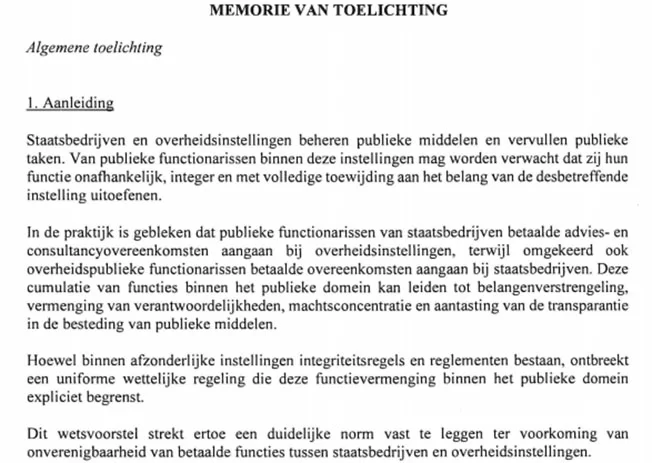
In a significant move to combat systemic corruption, National Democratic Party (NDP) assembly members Silvana Afonsoewa and Rossellie Cotino have introduced groundbreaking legislation titled the ‘Law on Incompatibility of Functions in State Companies and Government Institutions’. This proposed statute represents one of the most comprehensive anti-corruption measures in recent parliamentary history.
The legislation establishes an absolute prohibition against public officials within state-owned enterprises and government institutions from simultaneously holding paid positions, consultancy contracts, or advisory roles in other public entities. The ban extends to all legal constructions, effectively closing loopholes that might allow indirect financial benefits through corporate vehicles or third-party arrangements.
Enforcement mechanisms under the proposal are notably stringent. Violations trigger mandatory and cumulative sanctions including immediate contract termination, full restitution of improperly received compensation, and dismissal from all conflicting positions. The law explicitly eliminates any possibility of discretionary exceptions or negotiated settlements.
Existing arrangements are granted a transitional period not exceeding two years, during which affected individuals must either terminate their additional contracts or resign from one of their positions. Following this grace period, no continuation of incompatible functions will be permitted under any circumstances.
The legislative initiative targets multiple governance objectives: preventing actual and perceived conflicts of interest, safeguarding the independence and integrity of public officials, eliminating the accumulation of public incomes, promoting transparency in the allocation of state resources, and ultimately restoring public trust in governmental institutions.
The proposal emphasizes that state companies and government institutions manage public funds and execute public duties, thus requiring officials to exercise their functions with uncompromised independence. Contrary to potential criticisms, the legislation is projected to have no adverse financial impact on the State. Instead, it is expected to contribute to more efficient public spending and enhanced integrity within the governance framework.