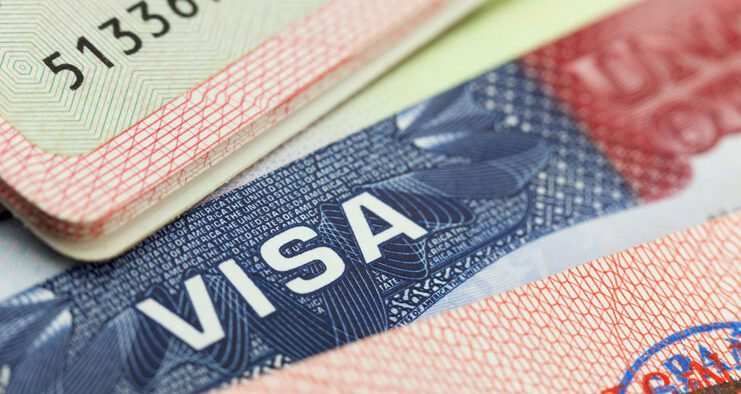
In a significant policy shift, the United States has substantially reduced visa privileges for citizens of Dominica and Antigua and Barbuda. Effective immediately, applicants for key nonimmigrant visa categories will now receive stamps with dramatically limited validity—restricted to just three months and single-entry access to the United States.
The affected categories include crucial work and dependent visas such as H-1B, H-1C, H-2R, H-3, and H-4, alongside business and tourist visas (B-1, B-2, and B-1/B-2). This revision, implemented through updated reciprocity schedules by the U.S. Department of State, represents a stark departure from previous norms where multi-year, multiple-entry visas were commonly issued.
While these changes specifically target Dominica and Antigua and Barbuda, other Caribbean nations continue to enjoy extended validity and multiple-entry privileges, underscoring the tailored nature of bilateral reciprocity agreements.
This diplomatic adjustment occurs against the backdrop of intensified global scrutiny of Citizenship by Investment (CBI) programs. Recent investigative reports have raised concerns about vetting processes in Dominica’s CBI scheme, citing instances where passport holders have subsequently been linked to law enforcement issues or sanctions violations. Allegations have emerged regarding potential discrepancies in passport issuance numbers and questions about the robustness of background checks for applicants with criminal associations or politically exposed backgrounds.
Dominica’s CBI program, operational for years, allows foreign investors to obtain citizenship through financial contributions to government funds or real estate investments. While serving as a vital revenue source for national development, the program now faces international pressure to enhance due diligence standards and agent oversight.
In response, Eastern Caribbean nations including Dominica have begun developing regional regulatory frameworks aimed at standardizing requirements and mitigating program vulnerabilities. Notably, the Dominican government had not issued an official statement regarding the visa changes at the time of reporting.
It is crucial to distinguish between visa validity and authorized stay duration: while the reciprocity schedule governs visa stamp validity and entry frequency, U.S. Customs and Border Protection officials determine actual permitted stay periods at ports of entry, documented on I-94 forms.