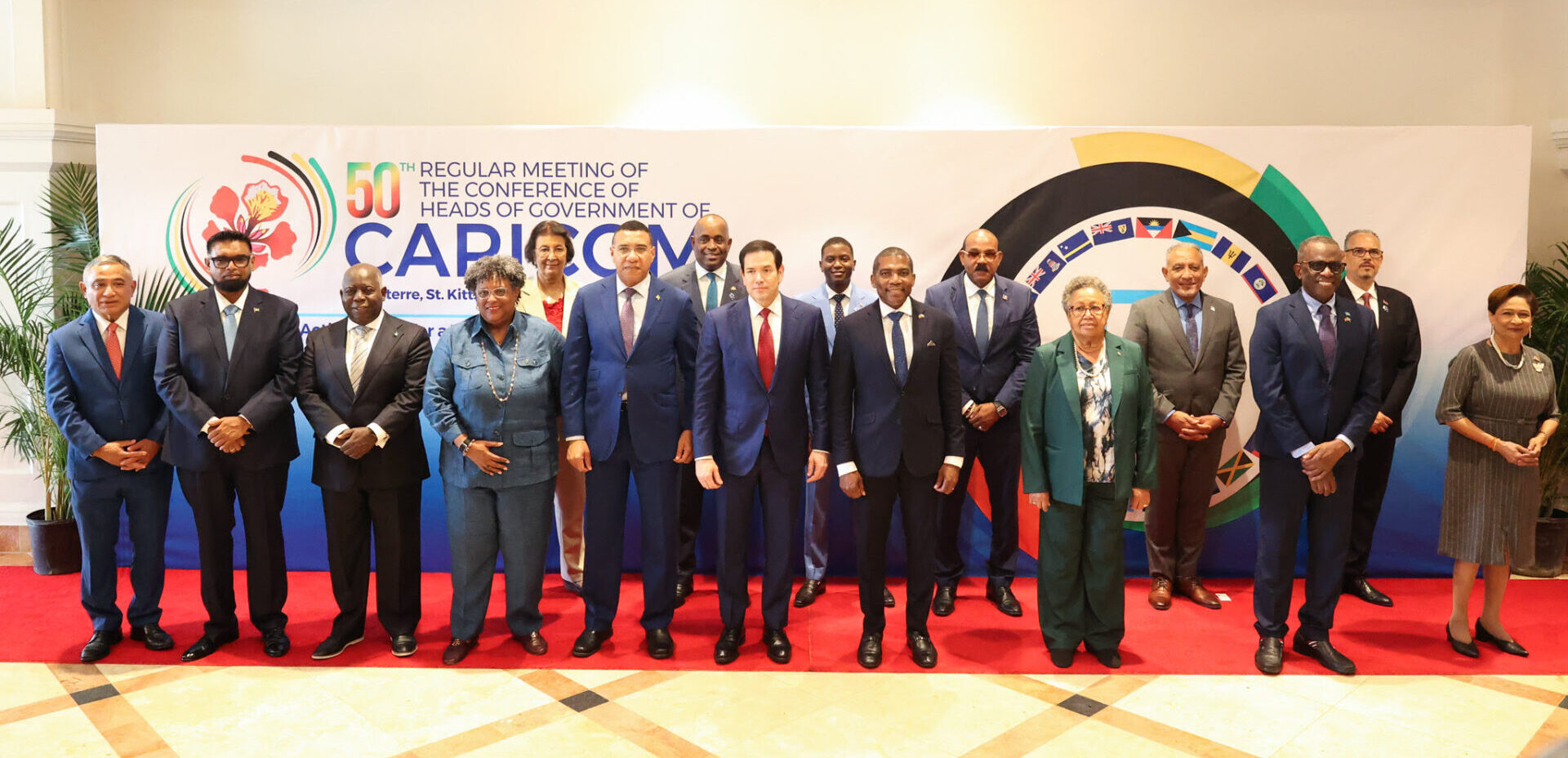
In a landmark diplomatic engagement, Caribbean Community (CARICOM) leaders have reached consensus with U.S. Secretary of State Marco Rubio to establish a comprehensive cooperation framework during their February 25 high-level meeting. The discussions, described as exceptionally constructive in official communiqués, marked the most significant dialogue between the regional bloc and United States in nearly five decades.
The historic talks emphasized the multidimensional connections—spanning diplomatic relations, economic interdependence, security cooperation, and cultural ties—that have traditionally united the Caribbean region with the United States. Recognizing these deep-rooted bonds as foundational for future collaboration, both parties committed to developing a modernized partnership structure addressing contemporary challenges and opportunities.
The emerging framework will encompass six pivotal areas: coordinated migration management, enhanced security partnerships, expanded trade and investment channels, disaster response and recovery mechanisms, human development programs, and technical assistance initiatives. This comprehensive approach aims to create what participants characterized as “a stronger, safer, more secure and prosperous neighborhood” for all involved nations.
Notably, the discussions also addressed the deteriorating humanitarian situation in Cuba. CARICOM representatives, acknowledging their unique relationships with both Cuba and the United States, expressed readiness to facilitate efforts aimed at alleviating the crisis while preserving regional stability. The community’s dual positioning enables potential mediation roles in future negotiations.
The significance of this engagement cannot be overstated, as it represents the first comprehensive high-level dialogue since the Reagan administration. This rekindled partnership signals a strategic recalibration of U.S.-Caribbean relations, adapting Cold War-era frameworks to contemporary geopolitical realities and mutual interests.