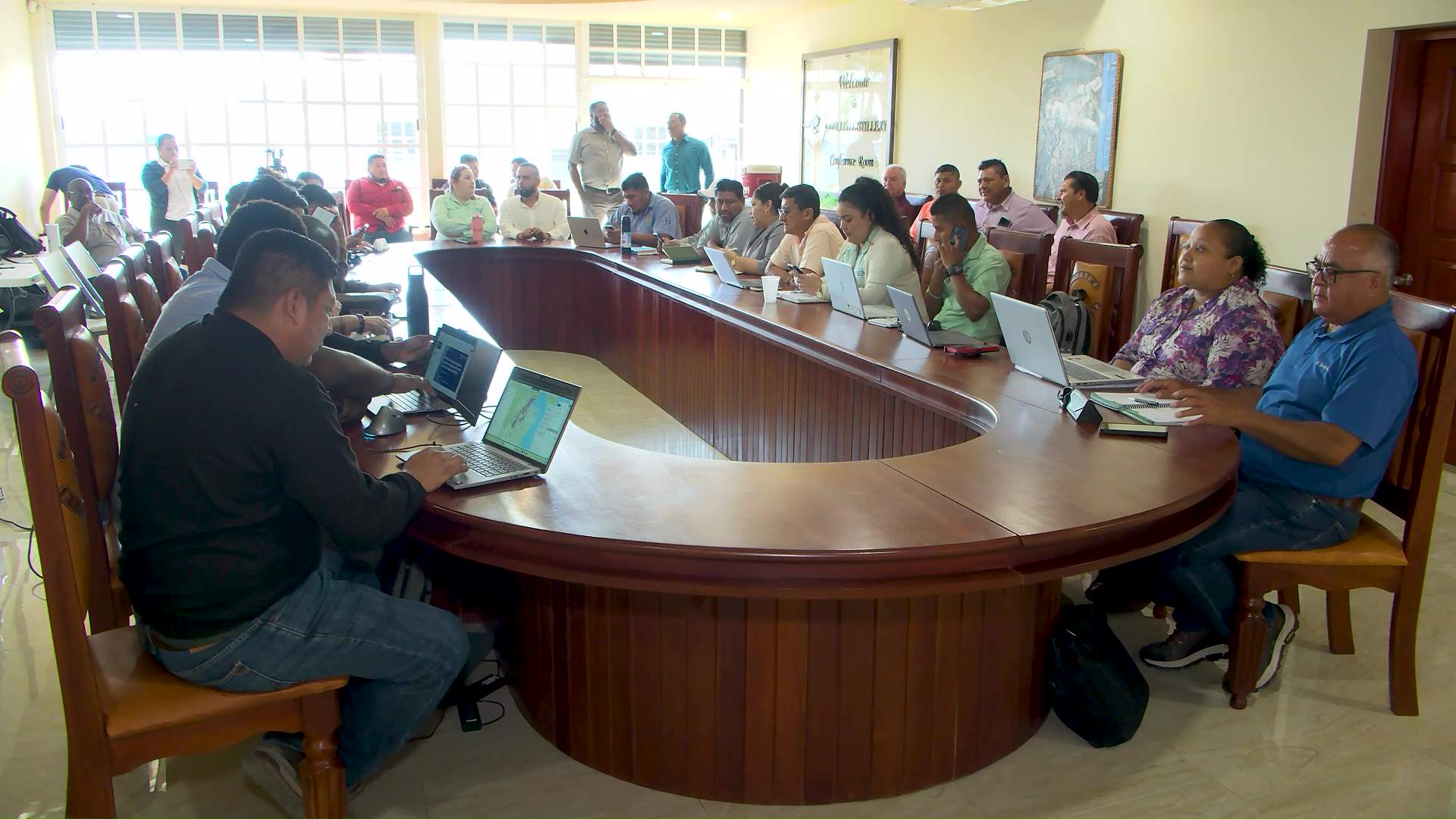
Northern Belize’s sugarcane sector is set to undergo a significant transformation through a groundbreaking $25 million climate adaptation initiative. The Building the Adaptive Capacity of Sugarcane Farmers (BACSuF) project, officially launched in San Jose Palmar Village, Orange Walk District, represents a strategic partnership between international climate organizations and local agricultural stakeholders.
Funded through a substantial grant from the Green Climate Fund and administered by the Caribbean Community Climate Change Centre (5Cs), the program addresses critical vulnerabilities in Belize’s vital sugar industry. Candace Leung Woo-Gabriel, Portfolio Manager at the Green Climate Fund, emphasized the project’s comprehensive approach: “The GCF comes in to derisk the investment. We fund the mechanism to provide seeds to farmers, provide training, and create market mechanisms while ensuring climate-smart continuity beyond the project’s five-year duration.”
Project Manager Darrel Audinette outlined the three core components driving this agricultural revolution. The primary focus involves diversifying currently monocultural cultivation by introducing eleven new sugarcane varieties across 10,000 acres, dramatically reducing dependency on a single vulnerable strain. The second pillar introduces advanced irrigation technology and soil management systems, transitioning from rain-dependent farming to predictable, technology-driven agriculture. The third component focuses on comprehensive technological and agronomic practice transformation throughout the industry.
Ryan Zuniga, Lead Senior Project Development Specialist at CCCCC, highlighted the farmer-centric design: “This project was created by farmers for farmers. We’re providing seeds free of charge to subsidize replanting costs, ensuring the most vulnerable growers directly benefit from these investments.”
The national government is complementing this international initiative with substantial local support. Dr. Osmond Martinez, Minister of State in the Ministry of Economic Transformation, announced accompanying measures: “Cabinet has approved $120 million Belize dollars over five years to address farmer debt and facilitate replanting for the 60% of growers not covered by the BACSuF program through loan systems.”
This multilayered approach combining international climate financing, agricultural innovation, and government support aims to secure the long-term viability of Belize’s sugar industry against increasing climate challenges while strengthening economic resilience for northern farming communities.