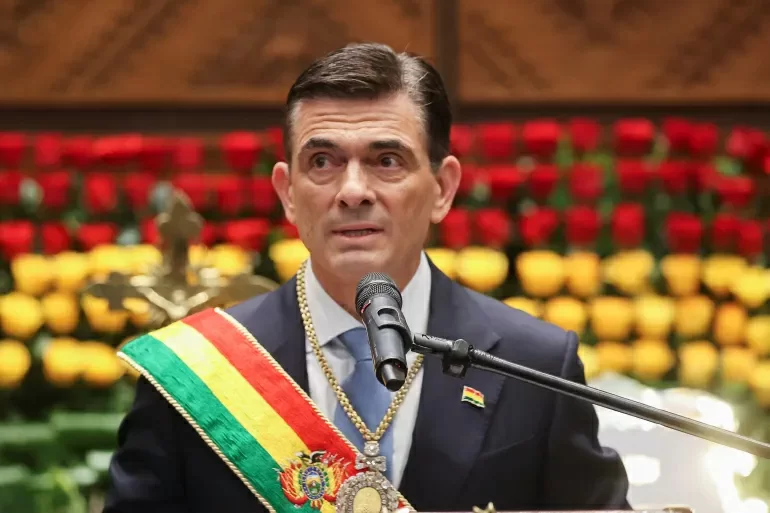
In a significant foreign policy reversal, Bolivia has officially reopened its doors to the U.S. Drug Enforcement Administration (DEA), ending a 17-year hiatus in bilateral narcotics cooperation. The administration of President Rodrigo Paz, who took office in November 2025, has not only moved to restore diplomatic relations with the United States but has also initiated operational collaboration with the DEA to combat drug trafficking.
Bolivian Interior Minister Marco Oviedo confirmed this week that DEA agents are already active within the country, marking a dramatic departure from the policies of former leftist president Evo Morales. “The DEA is in Bolivia,” Oviedo stated to local media. “Alongside this cooperation, we are also working with European intelligence and police organizations.”
The initial focus of these joint efforts will be on enhancing border surveillance and dismantling powerful drug cartels. Oviedo emphasized that this represents just the beginning of Bolivia’s expanded international campaign, noting plans to involve anti-narcotics agencies from neighboring countries as well.
This policy shift nullifies a 2008 decree by Morales, who expelled DEA agents while accusing the United States of using drug enforcement as a tool to pressure Latin American nations into aligning with its political and economic agendas. Morales, who led the Movement Toward Socialism (MAS) party, enjoyed strong support from rural coca-growing regions where the crop represents a vital economic lifeline.
The political landscape shifted dramatically in October 2025 when two right-leaning candidates advanced to a runoff election—center-right candidate Rodrigo Paz of the Christian Democratic Party and former conservative president Jorge Quiroga. Both made repairing relations with the U.S. a cornerstone of their campaigns, viewing it as essential to resolving Bolivia’s severe economic crisis.
Paz, ultimately victorious with 54.9% of the vote, moved swiftly after his November inauguration to normalize diplomatic ties. The U.S. State Department has characterized Paz’s presidency as a “transformative opportunity” for the region, with both countries agreeing to exchange ambassadors for the first time in nearly 18 years.
However, significant uncertainties remain regarding the extent of DEA operations in Bolivia. Leftist leaders like Morales retain substantial support, particularly in highland and rural areas. Bolivian Foreign Minister Fernando Aramayo indicated that negotiations are ongoing to define the specific terms and operational boundaries of DEA activities, with a comprehensive agreement expected within coming months.
This development occurs against the backdrop of intensified U.S. anti-drug campaigns in Latin America under the Trump administration, which has designated multiple major cartels as “foreign terrorist organizations” and employed economic sanctions and military threats to pressure governments in the region. Critics argue these policies have blurred lines between law enforcement and military actions, raising concerns about human rights violations and extrajudicial executions.